
Shrubs
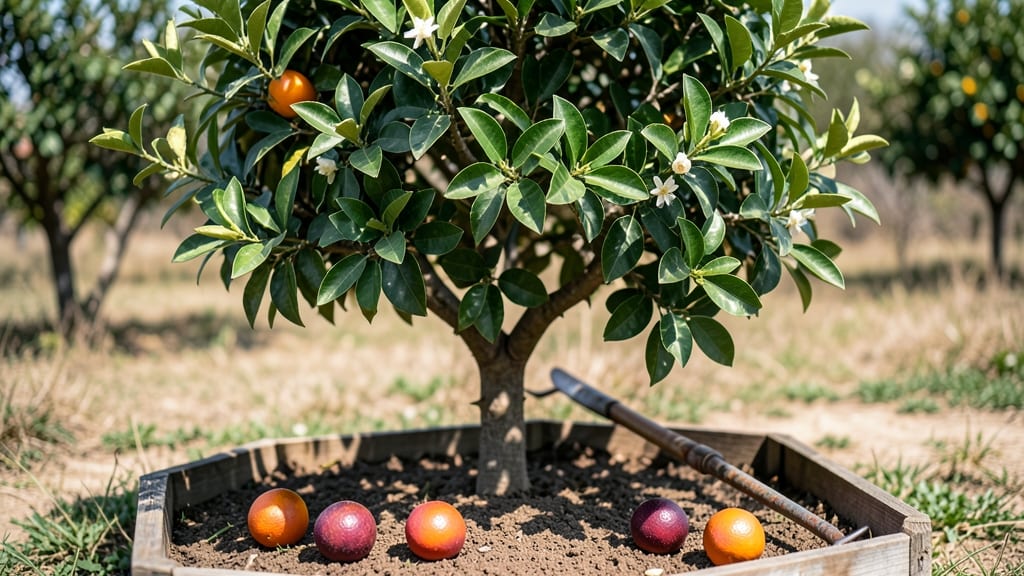
The blood orange season runs from late fall through early spring, with peak ripeness typically between November and March, when California and Florida deliver their juiciest varieties featuring deep red flesh and that signature sweet-tart flavor.
Blood oranges thrive in cooler climates, which is why their peak season aligns perfectly with winter months in the Northern Hemisphere. 🌟 The Mediterranean region—where they originated—produces the most flavorful varieties from October through April, while California's subtropical climate extends their availability into early spring.
This timing isn't just about temperature; it's also about the fruit's natural sugar development during cooler weather, which enhances that signature sweet-tart balance.
What's interesting is how regional growing zones affect ripeness. For example, Florida's warmer climate allows for year-round production, though the fruit may lack the same depth of flavor as winter-harvested varieties from California or Spain.
If you're planning to use blood oranges in recipes, aim for late December through February when their sugar content is at its peak—this is when they're most likely to be at their juiciest and most flavorful.
💡 In This Article
- Blood Orange Harvest Seasons by Climate Zone
- Best Ways to Pick and Store Ripe Blood Oranges
Blood orange harvest seasons by climate zone
The blood orange's peak season isn't just about calendar months—it's a delicate dance between temperature and daylight hours. These citrus trees thrive in Mediterranean climates with mild winters and hot, dry summers.
In regions like Sicily (Italy) and Valencia (Spain), their natural growing cycle begins in late September and peaks from November through March, when cooler nights help develop the fruit's signature sweetness. The key is that temperatures stay above 50°F but rarely exceed 85°F during fruit development.
California's subtropical climate creates a fascinating contrast. While Mediterranean varieties dominate, the state's coastal microclimates allow for winter harvests from December to April.
The cooler ocean breezes and foggy mornings in places like Ventura County actually enhance the blood orange's anthocyanin production—the pigments that give the flesh its dramatic red hue.
Meanwhile, Florida's year-round growing season produces blood oranges with less concentrated flavor since they're often harvested when still slightly underripe to meet market demands.
Europe's harvest timing reveals another layer: the autumn-to-spring window coincides with the fruit's natural dormancy period. Trees enter a rest phase after summer's heat, which actually improves fruit quality.
In contrast, Florida's tropical climate means blood oranges can be picked year-round, but their flavor peaks during December-February when day lengths shorten—mimicking the Mediterranean cycle. This is why European-grown blood oranges often command higher prices for their superior depth of flavor.
What most people don't realize is how elevation plays a role. Higher-altitude orchards in places like the Italian Dolomites produce blood oranges with 20% more sugar content than lowland varieties, thanks to cooler night temperatures.
The same principle applies in California's Central Coast, where orchards at 1,000+ feet elevation yield fruit with more complex flavor profiles. This geographical variation explains why a blood orange from Sicily might taste completely different from one grown in Florida's flatlands.
For home growers or market shoppers, understanding these climate patterns helps explain why blood oranges taste so dramatically different across seasons. The winter months (December-February) consistently deliver the most flavorful fruit because the combination of cooler temperatures and shorter daylight hours triggers the perfect balance of sugars and acids.
This is why chefs and sommeliers often recommend using winter-harvested blood oranges for both eating fresh and pairing with wines.
The science behind this involves photosynthesis regulation. Cooler temperatures slow the plant's metabolic rate, allowing sugars to accumulate more gradually in the fruit. Meanwhile, shorter daylight hours reduce the plant's energy output, which paradoxically leads to more concentrated flavors.
It's a beautiful example of how nature's rhythms directly influence what we taste on our plates. 🌿