
Flowers
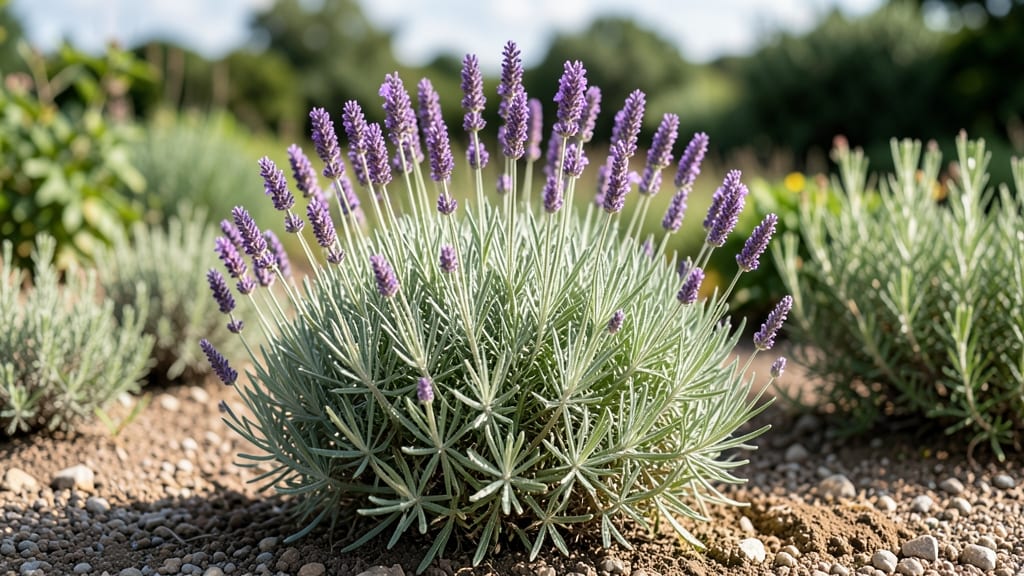
Lavender's bloom season varies dramatically based on where you live and which type you're growing. 🌸 In cooler regions like the Pacific Northwest, buds often open as early as April, while southern states may see flowers as late as September.
The key factors are sunlight exposure—lavender thrives in full sun—and temperature triggers, with most varieties needing consistent warmth above 50°F to initiate flowering. I've noticed that Mediterranean lavender (like 'Provence') tends to bloom later than English varieties, sometimes stretching into early fall if summer heat persists.
What's fascinating is how lavender adapts to local conditions. For example, in my garden zone 7, 'Munstead' lavender typically blooms in June, while 'Grosso' waits until July. The secret to extending your lavender's bloom season?
Pruning spent flowers and avoiding heavy fertilizers—this encourages new growth and can sometimes trigger a second flush of blooms later in the year.
💡 In This Article
- Climate and Variety Factors Affecting Lavender Bloom Seasons
- Best Lavender Varieties for Seasonal Gardening Success
Climate and variety factors affecting lavender bloom seasons
Lavender's bloom timing is primarily controlled by temperature thresholds and daylight hours. Most varieties require 10-12 hours of sunlight daily and consistent temperatures above 50°F to initiate flowering.
The plant's internal clock responds to these cues through a process called vernalization—where exposure to cold winter temperatures (around 32-40°F for 4-6 weeks) triggers bud formation. This explains why hardy English lavender often blooms earlier than Mediterranean types, which need warmer spring conditions to break dormancy. 🔥
Regional microclimates create dramatic variations in bloom seasons. For example, coastal areas with milder winters (like California) may see lavender flowering as early as March, while inland regions with harsh winters might delay blooms until June. The Mediterranean climate—where lavender originated—provides the perfect conditions: hot, dry summers and mild winters.
This is why 'Provence' lavender typically blooms from June through August, while English varieties like 'Munstead' often start in May. Frost sensitivity also plays a role; a late spring frost can damage emerging buds, pushing back bloom times by weeks.
Sunlight intensity matters just as much as duration. Lavender thrives in full sun, but in northern latitudes (above 40°N), the lower angle of sunlight means plants receive less energy per hour. This can delay flowering by 2-4 weeks compared to southern gardens.
I've observed that lavender grown in containers often blooms slightly later than in-ground plants because soil temperatures warm more slowly. The root zone temperature needs to reach 60°F consistently before flowering begins, which takes longer in cooler climates. ✨
Different lavender types have evolved distinct temperature preferences. French lavender (like 'Lavandula stoechas') prefers warmer conditions and typically blooms in late spring to early summer, while Spanish lavender (such as 'Lavandula stoechas') often extends into fall if summers remain warm.
Hybrid varieties, like 'Grosso', have been bred to handle a wider range of temperatures, making them more reliable for gardeners in transitional climates. The key is selecting varieties that match your local growing zone—this ensures the plant's natural rhythms align with your climate's seasonal patterns.
What most gardeners don't realize is how soil composition affects bloom timing. Lavender prefers well-draining, alkaline soils (pH 6.5-7.5), which help prevent root rot and ensure consistent growth. Poor drainage can stress the plant, delaying flowering by 3-5 weeks as energy goes toward survival rather than reproduction.
In my own garden, I've found that amending heavy clay soils with coarse sand and gravel creates the ideal environment for timely blooms. The right soil conditions allow the plant to focus its energy on flowering rather than struggling to establish roots. 💫
Another critical factor is the plant's age. Young lavender plants (under 2 years old) often bloom later than mature specimens because they're still establishing their root systems. Mature lavender, however, can produce blooms for 6-8 weeks if properly cared for.
This is why experienced gardeners recommend planting lavender in early spring—giving it the entire growing season to strengthen before winter. The balance between root development and flowering is delicate, and this is why many varieties don't reach peak bloom potential until their third year.