
Orchid Care
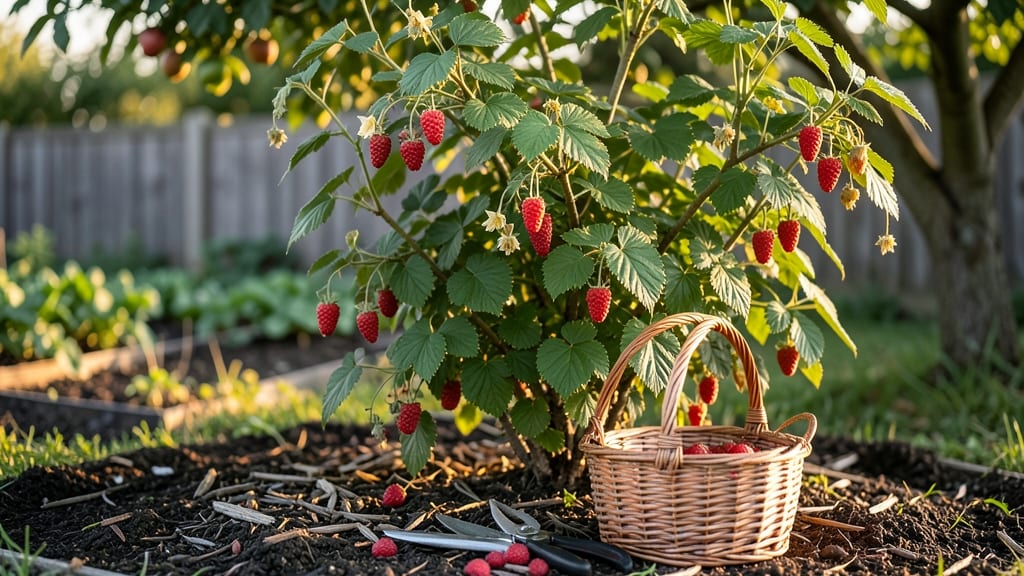
Raspberry season spans from late spring through early fall, with the sweetest berries typically ripening between June and August across most U.S. growing zones, though everbearing varieties may extend harvests into late summer or even fall.
Raspberries thrive when days are long and warm, which is why summer months consistently deliver the best harvests. 🌿 The exact timing shifts slightly depending on where you live—cooler northern states like Michigan might see peak ripening in July, while southern regions like Florida can enjoy berries as early as May or as late as September.
Everbearing varieties, like Heritage or Boyne Gold, are especially rewarding because they produce two crops: one in early summer and another smaller harvest in fall.
If you're planning to pick your own, timing matters even more. Many farms open their u-pick fields when berries are fully red but still firm to the touch, which usually aligns with late June through early August for most summer-bearing varieties.
Pro tip: Check local agricultural extension services for your specific region—they often provide weekly harvest updates!
💡 In This Article
- How Climate and Raspberry Varieties Affect Harvest Timing
- Best Regions and Months for Fresh Raspberries by Variety
How climate and raspberry varieties affect harvest timing
Raspberries are incredibly sensitive to daylight length—a phenomenon called photoperiodism. As days grow longer in spring, raspberry plants detect this change through specialized proteins called phytochromes, which trigger flowering and fruit development.
Summer-bearing varieties, like Heritage or Boyne Gold, need 14-16 hours of daylight to initiate fruit formation, which explains why their peak season aligns perfectly with June-August in most regions. The warmer temperatures during these months (typically 70-85°F) further accelerate ripening, creating ideal conditions for sweet, juicy berries.
Everbearing varieties, however, have a different strategy. These plants produce a primary crop in early summer (triggered by spring conditions) and a secondary crop in late summer or fall (responding to shorter daylight in autumn).
The second harvest often yields smaller berries but extends the season into September or October in milder climates.
For example, in California's Central Valley, where winters are mild, everbearing varieties like 'Carolina Gold' can produce berries nearly year-round with proper care. 🌞 The key difference lies in their genetic programming—everbearing types have a built-in "pause" mechanism that resets their growth cycle after the first harvest.
Temperature plays a critical role too. Raspberries need chilling hours (typically 500-1,000 hours below 45°F) during winter to break dormancy. Regions with insufficient chilling (like Florida or southern California) may see delayed or stunted growth if plants aren't properly acclimated.
Meanwhile, northern states like Washington or Oregon benefit from cooler summers, which slow ripening and prevent the berries from becoming mealy or overly tart. This is why Pacific Northwest raspberries often have a more extended harvest window—cool nights preserve their acidity and sweetness balance.
Microclimates within regions can shift harvest timing by 2-4 weeks. For instance, a raspberry patch on a south-facing hillside might ripen 10-14 days earlier than one in a valley due to increased sunlight exposure.
Elevation also matters: higher-altitude areas (like Colorado's Front Range) experience cooler temperatures, delaying peak harvests until July or August instead of June. These nuances explain why a single variety can produce berries at different times even within the same state.
Soil temperature matters just as much as air temperature. Raspberries prefer well-drained soil that stays between 55-75°F—too cold can stunt root growth, while soil above 85°F stresses the plants and reduces fruit quality.
In hot climates, mulching with straw or wood chips helps regulate soil temperature and retain moisture, which can extend the harvest season by 3-5 weeks. This is a game-changer for home growers in regions like Texas or Arizona, where summer heat would otherwise limit raspberry production.
One often-overlooked factor is rainfall. Raspberries need consistent moisture during flowering and early fruit development, but too much water later in the season can dilute flavor and cause splitting.
In drought-prone areas like Oregon's Willamette Valley, growers use drip irrigation to deliver 1-1.5 inches of water per week during peak growing months, ensuring berries ripen with optimal sweetness. The result? A more predictable harvest window and berries that burst with flavor. 💧