
Vegetables
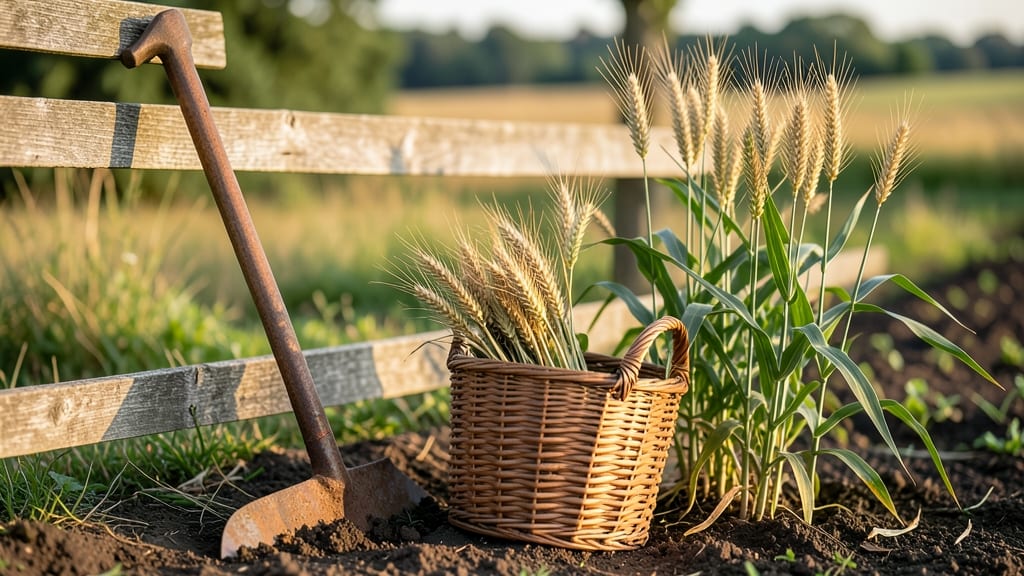
The wheat harvest season determines whether your crop becomes flour or feed — and getting it wrong can mean the difference between a bountiful yield and wasted effort.
Picture this: you’ve nurtured your 🌾 wheat all season, only to watch it shrivel in the field because you harvested too early — or worse, rot because you waited too long. Timing isn’t just about the calendar; it’s about reading the plants, the weather, and even your local climate zone.
From the Midwest’s golden August fields to Australia’s late-winter harvests, the right moment varies wildly. Some wheat needs 120 days of warmth, others thrive in cooler regions, and moisture levels can shift your harvest window by weeks.
Whether you’re a small-scale farmer or a homesteader, knowing these cues is the key to storing wheat that’s dry, plump, and ready for milling.
Below, I’ll break down the exact months for peak harvests by region, how to test maturity, and the simple steps to ensure your wheat is harvested at its prime — no guesswork, just results.

When to harvest wheat by U.s. growing regions (exact months)
Harvesting wheat at the right time ensures maximum yield and quality, but the perfect harvest window varies dramatically across the U.S. due to climate differences. In the Midwest, for example, hard red winter wheat typically reaches maturity earlier than in the Southern Plains, where heat delays ripening.
Understanding these regional patterns helps you time your harvest for peak grain quality and avoids costly delays or premature harvesting.
For most U.S. wheat varieties, harvest occurs between late June and September, but exact timing depends on the wheat type (winter vs. spring) and local growing conditions.
In cooler northern regions, like Minnesota or the Pacific Northwest, wheat may mature 2-4 weeks earlier than in warmer areas like Texas or Oklahoma. Even within a single state, elevation and microclimates can shift harvest dates by 10 days or more.
Below is a detailed breakdown of harvest windows for the three most common U.S. wheat varieties—hard red winter wheat, soft red winter wheat, and durum wheatoptimal harvest timing and avoid missing the window.
🌾
In the Midwest, particularly in Kansas and Nebraska, hard red winter wheat—like the popular Triticum aestivum varieties—typically reaches harvest readiness between late June and early August. This region benefits from cool springs and moderate rainfall, which accelerate maturity compared to southern areas.
If you're growing soft red winter wheat, common in Ohio and Indiana, expect harvest to stretch from early August to mid-September due to higher humidity levels.
For durum wheat, prized for pasta-making, the Pacific Northwest offers a longer growing season. In Washington and Oregon, durum wheat matures between mid-August and early October, thanks to cooler coastal climates.
Meanwhile, in California’s Central Valley, durum wheat harvests earlier, from late July to early September, because of the region’s arid conditions and reliance on irrigation.
One critical factor that shifts harvest timing is moisture levels. In drought-prone areas like Texas or Oklahoma, wheat may mature 2-3 weeks earlier than in wetter regions. Always monitor kernel moisture content—ideal harvest occurs when it drops below 12-14%.
Use a grain moisture tester to avoid harvesting too early or too late, which can reduce yield quality.
If you're a home grower or small-scale farmer, pay close attention to local weather forecasts. Unexpected heatwaves or rain can delay harvest by
How moisture content and plant maturity determine harvest readiness
Determining the perfect moment to harvest wheat isn't just about checking a calendar—it's about understanding your plants' moisture content and maturity stages. Wheat that's harvested too early yields soft, low-protein kernels, while waiting too long risks shattering and lost productivity.
I've learned that three key indicators—node count, kernel hardness, and moisture levels—work together to signal readiness.
Start by examining the node count on your wheat stalks. For most varieties, you'll want to see 8-10 fully developed nodes (the small joints where leaves emerge) before considering harvest.
Early varieties like Bobwhite may mature with 7-8 nodes, while late varieties like Nugaines can reach 10-12. Counting nodes helps you adjust harvest timing for your specific climate and variety.
Next, focus on kernel hardness. Mature wheat kernels should feel hard and dry when pressed between your fingers—like a small pebble. If kernels are still soft or doughy, they need more time on the stalk.
I recommend testing 3-5 kernels from different plants to get an accurate reading. This test is especially critical for durum wheat varieties, which require higher protein content for pasta-making.
⚠️ WARNING: Harvesting at the Wrong Moisture Level Can Ruin Your Crop ⚠️
For home gardeners, I've found that early morning harvests (before 9 AM) yield the driest grain, as evening dew can raise moisture levels. If you're harvesting late varieties in humid climates, consider cutting and drying stalks in the field for 24-48 hours before threshing to reduce moisture naturally. This simple step has saved me from losing entire batches to mold in past seasons.
Adjusting for regional differences is crucial. In cooler northern climates (like Minnesota or the Pacific Northwest), wheat often reaches harvest readiness 2-3 weeks earlier than in warmer southern regions (such as Kansas or Oklahoma).
Early varieties planted in northern zones may be ready by late July, while late varieties in southern zones might not peak until mid-September. Always monitor your local USDA Plant Hardiness Zone and historical frost dates when planning harvest windows.
One final pro tip: Pay attention to the outer husk color. When ready, it should turn from green to straw-colored or golden-brown. The husk should also separate easily from the stalk when gently pulled.
If husks remain green or tightly attached, your wheat needs more time. I've learned that shaking plants can also help—mature kernels will rattle loudly when the seed heads are fully dry.
By combining these maturity indicators with your local climate knowledge, you'll consistently time harvests for maximum yield and quality. Remember, every degree of moisture above 13% can shorten storage life by weeks—making precise timing your best defense against spoilage.
With practice, you'll develop an eye for the perfect harvest moment that works for your specific growing conditions.