
Vegetables
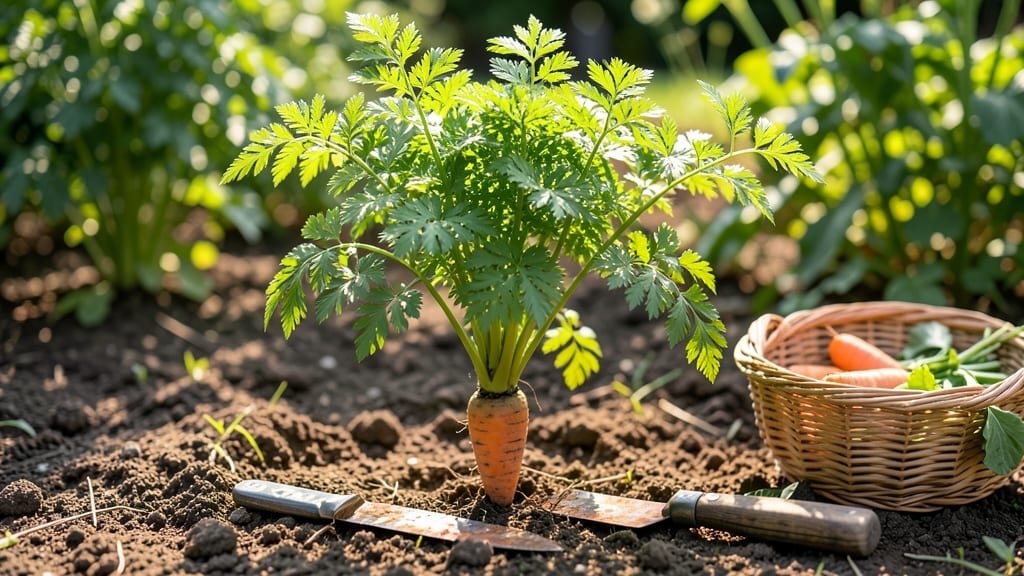
Carrots reach their peak flavor and freshness when they’re harvested at the right time, and knowing when are carrots in season makes all the difference in your garden or grocery cart.
If you’ve ever bitten into a carrot that tasted like cardboard or watched your homegrown batch turn woody before harvest, you’ve felt the frustration of timing gone wrong. The truth?
Carrots thrive in cooler months, and their seasonal cycle—spring and fall—dictates everything from taste to texture. Miss the window, and you’re left with store-bought blandness or garden heartbreak.
In USDA Zone 6, where most home gardeners live, carrots are best planted in March–May for a summer harvest or July–August for a fall crop. But regional climates shift those dates, and even organic or heirloom varieties have their own rhythms.
Whether you’re planning a garden or stocking your pantry, aligning with nature’s schedule ensures sweeter, crunchier results every time.
Below, I’ll break down the exact months for peak carrot season, how to extend your harvest, and which varieties shine in spring versus fall—so you never settle for second-best again.
Carrot season by month: USDA Zone-specific harvest times
Carrots thrive in cool weather, making their seasonal windows vary dramatically between USDA Zones 3-11. In northern climates (Zones 3-5), you’ll enjoy two distinct harvest seasons—spring and fall—while southern regions (Zones 8-11) can grow carrots year-round with minimal frost concerns.
Understanding these patterns helps you plan garden planting or market purchases for the freshest, sweetest carrots possible.
The key to successful carrot growing lies in soil temperatures and frost dates. Carrot seeds germinate best when soil reaches 50-60°F, while roots develop optimally in 60-75°F conditions. In cooler zones, this means spring planting after the last frost and fall planting 8-10 weeks before the first frost.
Southern gardeners can extend seasons by choosing heat-tolerant varieties like 'Bolero' or 'Moscow Market.'
| USDA Zone | Spring Planting | Spring Harvest | Fall Planting | Fall Harvest | Notes |
|---|---|---|---|---|---|
| 3-4 | May-June | July-Aug | July-Aug | Sept-Oct | Short season; use fast varieties like 'Early Nantes' |
| 5-6 | April-May | June-July | July-Aug | Oct-Nov | Classic two-season harvest; ideal for 'Danvers Half Long' |
| 7-8 | Feb-April | April-June | Aug-Sept | Oct-Dec | Extended seasons; try 'Rainbow' heirlooms for color |
| 9-10 | Jan-Mar | March-May | Sept-Oct | Nov-Jan | Year-round potential; use row covers in summer |
| 11 | All year | Monthly | All year | Monthly | Tropical climates; choose heat-resistant 'Bolero' |
In Zones 3-4, where winters are harsh, focus on short-season varieties like 'Early Nantes' that mature in just 50-60 days. Plant these as soon as soil is workable in spring and again in early summer for a fall harvest.
The last frost date is critical—wait until soil warms to at least 55°F before sowing seeds, or they’ll rot in cold ground.
Gardeners in Zones 5-6 enjoy the classic two-season pattern: spring-planted carrots ready by midsummer and fall-planted varieties harvested before frost. For example, 'Danvers Half Long' thrives in these zones, offering sweet, uniform roots when sown in early spring or midsummer.
Use succession planting every 2-3 weeks to ensure a continuous supply.
Southern growers in Zones 7-11 have the advantage of longer growing seasons. In Zone 7, you can plant carrots in late winter for spring harvests and again in late summer for fall/winter crops.
Zones 8-11 can grow carrots nearly year-round, though summer heat may cause bolting (premature flowering). To combat this, opt for heat-tolerant varieties like 'Bolero' or provide shade
How to extend carrot season: storage, succession planting, and forced harvesting
Carrots are a cool-season crop, but that doesn’t mean you have to say goodbye to their sweet, crisp flavor when summer heats up or winter frosts arrive. With the right strategies, you can enjoy fresh carrots year-round.
The key lies in storage techniques, succession planting, and forced harvesting—methods that trick nature into giving you carrots when they’re "out of season." Let’s break down how to make this work in your garden or pantry.
Many gardeners assume carrots only grow in spring and fall, but false off-seasons exist in many regions due to climate variations. For example, mild coastal areas might have harvestable carrots in winter, while hot inland zones could enjoy them in early spring.
Understanding these microclimates helps you plan smarter and avoid gaps in your supply.
One of my favorite tricks is succession planting, where I sow carrot seeds every 2-3 weeks during the growing season. This ensures a steady supply of fresh carrots instead of a single overwhelming harvest.
For example, in my USDA Zone 6 garden, I start with the first planting in early April and continue until late June. This way, I have baby carrots ready by June, mature carrots in July, and even a few stragglers in August before the fall planting begins.
If you’re dealing with a short growing season, forced harvesting can be a game-changer. I’ve used row covers and low tunnels to extend my carrot season by 3-4 weeks in both spring and fall. These simple setups create a microclimate that protects young plants from frost and retains warmth.
For instance, in Zone 4, I’ve successfully grown carrots until early November using a lightweight row cover, even when temperatures dipped below freezing at night.
Don’t overlook cold storage as a way to bridge gaps in your carrot supply. I store my harvested carrots in a root cellar (or a cool basement) wrapped in damp sand to maintain moisture. This method keeps them crisp and flavorful for up to 6 months.
If you don’t have a root cellar, a refrigerator’s crisper drawer works just as well—just avoid storing them near fruits that release ethylene gas, like apples or bananas.
For gardeners in warmer climates, summer planting can also work if you provide shade during the hottest part of the day. I’ve had success growing carrots in partial shade during July and August by using shade cloth or planting them under taller crops like corn or sunflowers.
This keeps the soil cool and prevents the carrots from bolting.
With these strategies, you’ll never have to rely on store-bought carrots again. Whether you’re a home gardener or a market farmer, extending your carrot season is all about planning ahead and working with your local climate. Happy growing! 🌱