
Orchid Care
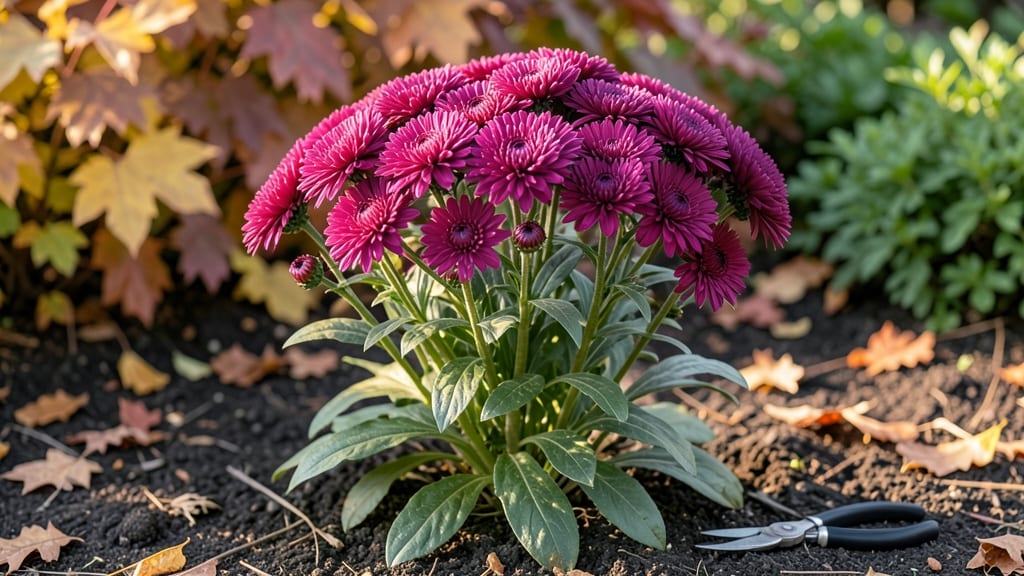
Chrysanthemums bloom during late summer through fall, with peak season running from August to October in most growing regions, though some hardy types may start as early as July and survive light frosts.
This seasonal window aligns with chrysanthemums' natural growth cycle, triggered by shorter daylight hours—a key reason they thrive in autumn. 🌸 In cooler northern zones (like USDA 3-6), you might see blooms lasting well into November, while southern regions (zones 7-11) often enjoy earlier starts in July.
The variety matters too: some types like 'Bonanza' stay vibrant for months, while others fade quickly after October.
What's fascinating is how these flowers adapt—many gardeners in warmer climates actually plant them in spring for summer blooms, while northern growers wait until late summer. This flexibility makes chrysanthemums one of the most reliable fall flowers for both gardens and cut arrangements.
💡 In This Article
- Chrysanthemum Blooming Seasons by USDA Hardiness Zones
- Extending Chrysanthemum Season: Varieties and Gardening Tips
Chrysanthemum blooming seasons by USDA hardiness zones
Chrysanthemums respond to daylight hours more than temperature, with blooming triggered when days shorten to 12-14 hours of light—a phenomenon called photoperiodism. This explains why they typically bloom in late summer/fall, but the exact timing varies dramatically by USDA zone.
In zones 3-6 (northern climates), cooler temperatures actually slow metabolism, delaying blooms until September-October and sometimes extending them past frost. Meanwhile, zones 7-11 (southern regions) often see early bloomers as soon as July-August due to longer growing seasons.
The science gets even more interesting when you consider vernalization—a cold period some varieties need to flower properly. Many chrysanthemums planted in spring will only bloom in fall after experiencing 50-60°F nighttime temperatures for 4-6 weeks.
This is why gardeners in zone 8 or warmer sometimes plant them in late summer for winter blooms, while northern growers plant in spring to avoid premature frost damage. The Bonanza series, for example, can bloom 8-12 weeks after planting, giving gardeners precise control over timing.
What this means for gardeners is that location dictates variety selection. In zone 5, where first frosts can hit by October 15, you'd choose hardy types like 'Dendranthema morifolium' that tolerate 20-25°F temperatures.
Meanwhile, in zone 10, where winters rarely drop below 30°F, you might grow tropical varieties that bloom continuously. The day-neutral types (like 'Pacific Giant') are the most flexible, flowering regardless of daylight changes—though they typically peak in September-October everywhere.
Regional microclimates create even more variation. Coastal areas often have 2-3 weeks earlier blooms than inland regions at the same latitude due to moderating ocean breezes. Mountainous zones may see delayed blooming by 10-14 days because cooler high-elevation temperatures slow growth.
For example, Denver (zone 5) might see chrysanthemums peak in late October, while nearby Boulder's higher elevation could delay blooms until mid-November. 🌿
Here's a quick reference for key blooming windows by zone:
- Zones 3-5: Mid-September to November (often lasting until first hard frost)
- Zones 6-7: Late August to October (with some varieties extending to December)
- Zones 8-9: July to November (continuous blooming possible with proper care)
- Zones 10-11: June to December (year-round potential in tropical climates)
The color spectrum also plays a subtle role—darker blooms (like deep reds and purples) often open 2-3 days later than lighter varieties (whites and yellows) due to different pigment production rates.
This biological quirk means your garden might show a gradual color progression from light to dark as the season advances. 🌈