
Picking
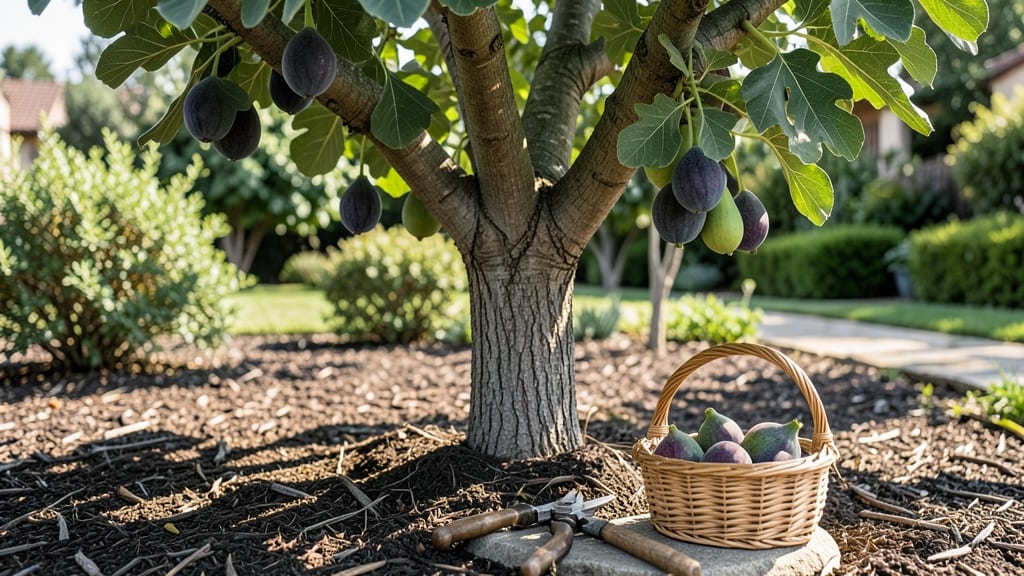
Figs hit peak season from late summer through early fall 🍈, when their sweetness and texture reach perfection—if you time it right.
If you’ve ever bitten into a perfectly ripe fig only to find it’s rock-hard or mealy a week later, timing is everything—and knowing when figs hit peak season can transform your harvest from disappointing to delicious.
In USDA Zone 6a, where spring planting kicks off in April, figs typically ripen between August and October, but regional climates shift those windows. Mediterranean varieties may start earlier, while subtropical types stretch into November.
Below, I’ll break down the exact ripening cues, how to extend your fig season, and whether you can grow them year-round—even in containers or cooler zones.
USDA Zone-by-Zone fig season timeline for optimal harvesting
Figs are one of nature’s most rewarding fruits, but their ripening window varies dramatically depending on your USDA zone. In Zone 5, for example, figs might not ripen until late September due to cooler temperatures, while Zone 10 gardeners can enjoy fresh figs from June through November.
Understanding these differences ensures you don’t miss peak harvest or waste energy on varieties that won’t thrive in your climate.
Fig trees produce fruit on new wood (current season’s growth) and old wood (last year’s branches), which means some varieties offer staggered harvests—a gardener’s dream for extended fresh figs.
However, late frosts in Zones 6-7 can devastate crops if you’re not prepared. Let’s break down exactly when to expect figs in your area and how to maximize your harvest.
🌱 Key Insight: Heat waves can accelerate ripening by 2-3 weeks in Zones 8-10, while Zones 3-5 often see a more gradual, prolonged ripening period due to cooler nights. This means your harvest window might shift yearly based on weather patterns.
| USDA Zone | Peak Harvest Window | Best Varieties | Ripeness Cues |
|---|---|---|---|
| 3-4 | Late Aug–Sept (if no frost) | ‘Chicago Hardy’, ‘Celeste’ | Skin softens, deep purple |
| 5-6 | Mid-Aug–Oct | ‘Brown Turkey’, ‘Desert King’ | Base detaches easily, fragrant |
| 7-8 | July–Nov (staggered) | ‘Violette de Bordeaux’, ‘Panache’ | Skin yields to gentle squeeze |
| 9-10 | June–Dec (continuous) | ‘Black Mission’, ‘Improved Celestial’ | Color deepens, sweet scent |
| 11 | Year-round (with care) | ‘Mexican White’, ‘Alma’ | Skin wrinkles slightly when ripe |
In Zones 3-5, where frosts are a real threat, focus on cold-hardy varieties like ‘Chicago Hardy’ or ‘Celeste’. These ripen late in the season, often just before the first frost, and can sometimes survive light freezes.
I’ve seen Chicago Hardy produce fruit even after a 20°F dip—though the quality may suffer. For these zones, container growing is a game-changer, allowing you to move potted figs to a garage or greenhouse before winter.
Gardeners in Zones 6-8 enjoy the best of both worlds: a longer harvest window and a wider variety selection. Here, you can experiment with early-season varieties like ‘Desert King’ (ripening in July-August) and late-season types like ‘Panache’ (holding until October-November).
The key is to prune strategically in late winter to encourage new growth, which bears the year’s fruit. I prune my ‘Brown Turkey’ tree in February to shape it and remove dead wood, ensuring a flush of new shoots by April.
For Zones 9-11, figs are practically a year-round crop if you choose the right varieties. In my Zone 9b garden, ‘Black Mission’ figs start ripening in June and continue through
How to extend fig season: pruning, variety selection, and storage hacks
Figs are nature's candy, but their short peak season can leave you craving them long after summer fades. The key to enjoying fresh figs all year lies in three strategies: smart pruning, selecting the right varieties, and preserving your harvest.
By implementing these techniques, you can turn your fig tree into a year-round fruit factory instead of a fleeting summer treat.
First, let's tackle the elephant in the garden: fig season timing. While most varieties ripen between late summer and early fall, the exact window depends on your USDA zone and microclimate.
In cooler zones like 5-7, you might get just a 4-6 week harvest window, while warmer zones like 8-10 can enjoy figs for 3-4 months. The secret to extending this window? Staggered ripening through strategic pruning and variety selection.
- 1 Peak Season Basics: Figs typically ripen August-October in most US zones, with early varieties like 'Celeste' ripening first and late varieties like 'Brown Turkey' extending the season.
- 2 Zone 3-5 Challenge: Cold-hardy varieties like 'Chicago Hardy' ripen 2-3 weeks earlier than standard types, giving you a head start before early frosts.
- 3 Heat Wave Impact: In zones 8-10, unseasonable heat can cause figs to ripen 4-6 weeks early, while cooler summers may delay harvest until November.
- 4 Container Growers: Potted figs in cooler climates often ripen 3-4 weeks later than in-ground trees due to temperature fluctuations.
To create a staggered harvest, start with selective pruning in late winter or early spring. Remove 1/3 of last year's growth to encourage new shoots that will bear fruit at different times. Focus on thinning out crowded branches—this improves air circulation and helps figs ripen more evenly.
For a truly extended season, plant two varieties: one early ripener like 'Violette de Bordeaux' and one late ripener like 'Desert King'. This pairing can give you figs from mid-July through November.
When it comes to preserving your harvest, simplicity is key. For long-term storage, drying is your best bet—simply slice figs in half, remove the stems, and dry them at 135°F for 8-12 hours in a food dehydrator.
These dried figs will keep for 6-12 months in an airtight container. Freezing is another great option: whole figs freeze beautifully for up to 6 months, retaining most of their flavor.
If you prefer homemade preserves, fig jam is a fantastic way to capture summer's sweetness—just simmer chopped figs with equal parts sugar and lemon juice until thickened.
Don't overlook the power of container growing for urban gardeners. Dwarf varieties like 'Little Miss Figgy' produce full-sized fruit on compact trees perfect for patio pots. Bring these containers indoors before first frost and place them near a south-facing window or under grow lights.
With proper care, you can enjoy fresh figs well into winter months, even in cold climates.
Remember, the goal isn't just to extend fig season—it's to transform it into a year-round experience. By combining pruning techniques, variety selection, and smart preservation, you'll turn those fleeting summer figs into a continuous garden delight.
Start small with one or two strategies, then build your fig-growing expertise over time—your taste buds will thank you! 🌿✂️🍈