
Picking
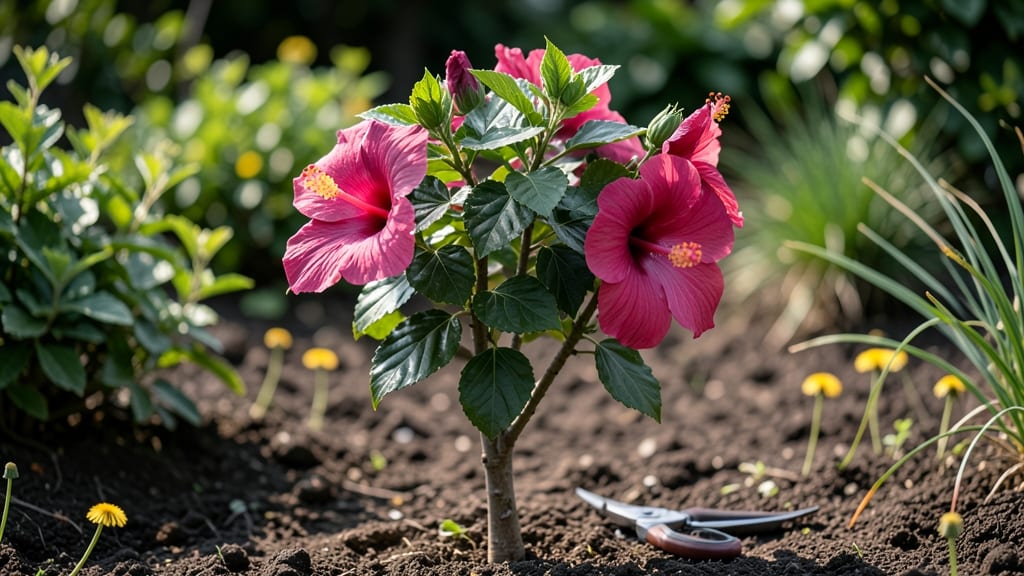
Hibiscus blooms seasonally from late spring through early fall, with peak flowering between July and September in most temperate zones — but the exact timing depends on where you live.
If you’ve ever dreamed of vibrant tropical blooms in your garden but wondered when hibiscus flowers actually bloom in your area, the answer depends entirely on your hardiness zone.
In Zone 6a, where many gardeners plant hibiscus in spring, expect the first buds to appear around June if you’ve given them full sun and well-draining soil.
Tropical varieties, like Hibiscus rosa-sinensis, may bloom year-round in warmer climates, while hardy types like Hibiscus syriacus thrive in cooler regions with a shorter season.
Below, I’ll break down the blooming windows by zone, share tips to extend your hibiscus’s season, and help you pick the best varieties for your climate — so you can enjoy those showstopping 🌸 flowers for as long as possible.
Hibiscus bloom seasons by USDA hardiness zones: month-by-month guide
Hibiscus flowers bring bold color to gardens, but their bloom timing varies dramatically across the USDA hardiness zones. Tropical hibiscus (Hibiscus rosa-sinensis) thrives in zones 9-11 with year-round blooms, while hardy varieties like rose-of-Sharon (Hibiscus syriacus) shine in zones 4-8 with seasonal displays.
Microclimates—like urban heat islands or coastal breezes—can shift bloom windows by 2-4 weeks, so always check local frost dates.
In zone 11, hibiscus bloom continuously from spring through fall, while zone 5 gardeners enjoy June-September displays. Understanding these patterns helps you select varieties that match your climate and plan for peak bloom periods when your garden will burst with color.
Let’s break down what to expect month-by-month in each zone.
| USDA Zone | Bloom Season | Tropical or Hardy? | Key Varieties | Microclimate Tip |
|---|---|---|---|---|
| 3-4 | July–September | Hardy | Rose-of-Sharon, Swamp Hibiscus | Plant near south-facing walls for extra warmth |
| 5-6 | June–October | Hardy | Hibiscus moscheutos, Perennial Hibiscus | Mulch heavily to protect roots in winter |
| 7-8 | April–November | Both | Hibiscus rosa-sinensis (potted), Hardy Hibiscus | Overwinter potted tropical hibiscus indoors |
| 9-10 | Year-round (peaks spring-fall) | Tropical | Hibiscus rosa-sinensis, Hawaiian Hibiscus | Prune lightly after winter rains to encourage new growth |
| 11 | Year-round (heaviest blooms spring-fall) | Tropical | Hibiscus tiliaceus, Seashore Hibiscus | Salt-tolerant varieties thrive near coastlines |
In zones 3-4, hibiscus like rose-of-Sharon bloom late in the season (July-September) because they need warm soil to thrive. These hardy varieties often survive below-zero temperatures once established, making them perfect for colder climates. For extended blooms, deadhead spent flowers regularly to encourage new buds.
Zones 5-6 enjoy a longer bloom window (June-October) thanks to milder winters. Here, swamp hibiscus (Hibiscus moscheutos) excels, producing 6-inch blooms that attract hummingbirds. To maximize blooms, plant in full sun and fertilize lightly in early spring when new growth appears.
Gardeners in zones 7-8 have the best of both worlds—hardy hibiscus for cool seasons and tropical varieties in containers. Potted hibiscus (Hibiscus rosa-sinensis) can bloom year-round if moved indoors during winter frosts.
In these zones, spring pruning is key to encourage dense, bushy growth before summer blooms.
For zones 9-10, hibiscus bloom almost continuously, with peak displays from spring through fall. Varieties like Hawaiian hibiscus thrive in these warm climates but may need light pruning after winter rains to prevent leggy growth. Coastal areas benefit from salt-tolerant varieties like Hibiscus tiliaceus.
In zone 11, hibiscus are year-round
How climate affects hibiscus blooming: sunlight, rainfall, and temperature tips
Hibiscus plants thrive when you align their care with your local climate—but getting it wrong can mean sparse blooms or no flowers at all. The right sunlight exposure, balanced rainfall, and ideal temperatures are the foundation of a hibiscus that bursts into color.
For example, my Hibiscus rosa-sinensis in Zone 9 blooms year-round because it gets 6+ hours of direct sun and consistent moisture, while my friend’s plant in Zone 7 struggles until summer heat arrives.
Sunlight is non-negotiable for hibiscus. These tropical beauties need full sun exposure—think 6 to 8 hours daily—to trigger blooming. In shadier spots, they’ll grow lush foliage but few flowers.
I once moved a potted hibiscus from a west-facing patio to a south-facing bed, and within weeks, the blooms doubled. Even partial shade can reduce flowering by up to 50%, so prioritize sunny locations.
🌱 Key Takeaway: Hibiscus Blooming Conditions
Pro Tip: Mulch around the base to retain moisture and regulate soil temperature.
Rainfall and humidity play a sneaky role in hibiscus health. Too little water causes bud drop, while soggy soil leads to root rot. I’ve learned to water deeply 2-3 times per week during summer, soaking the soil 12-18 inches down.
In high-humidity zones like Florida, I reduce watering slightly to prevent fungal issues. A simple trick? Use a moisture meter—hibiscus prefers soil that’s damp but not waterlogged.
Temperature swings can halt blooming faster than you think. Hibiscus love warmth between 65°F and 90°F, but temperatures below 50°F trigger dormancy. Last winter, my hibiscus in Zone 8 stopped blooming until late spring because a cold snap dipped to 45°F.
To extend the season, I’ve started using frost cloths in early fall and moving potted plants indoors when nights drop below 55°F. Even a 10°F drop can shock the plant into shedding buds.
Drought stress is the #1 blooming killer for hibiscus. When my plants wilt in summer heat, I immediately give them a deep watering and shade them with a lightweight shade cloth for a few days. Overwatering is almost as bad—hibiscus hate soggy roots.
I’ve seen yellowing leaves and dropped buds from overzealous watering, so always check the soil before watering again. A well-draining soil mix with perlite or sand helps prevent waterlogging.
For gardeners in cooler climates (Zones 5-7), choose hardy varieties like Hibiscus syriacus (rose of Sharon) and prune aggressively in early spring to encourage new growth.
In hot, dry zones (Zones 9-11), mulch heavily and water at the base of the plant to avoid fungal spores from splashing onto leaves. With the right climate tweaks, you can coax hibiscus to bloom nearly year-round—even in less-than-ideal conditions!