
Blooming
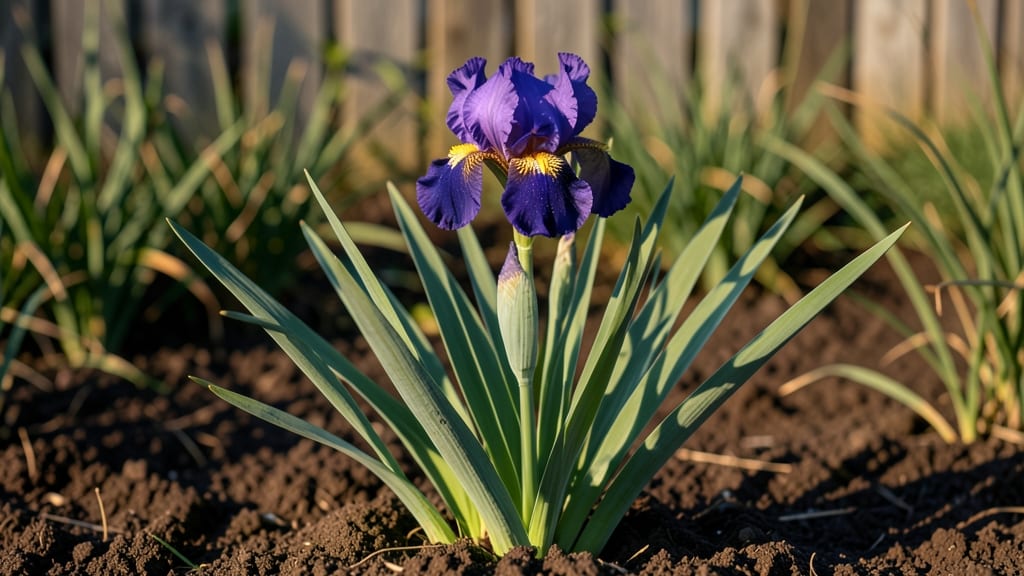
Irises bloom in season from late winter through early summer, with their exact timing depending on your USDA zone and the variety you grow 🌸.
Picture this: you’ve waited all year for those bold, velvety petals to pop up, only to find your garden missed the peak bloom window.
That’s why knowing the right months to expect irises in full glory is half the battle—and the other half is choosing the right types for your climate.
In cooler zones like 6a, irises typically burst into color by April, while warmer regions may see them as early as February or stretch blooms into June. The secret? Planting at the right time and picking varieties that sync with your local frost dates.
Below, I’ll break down the exact bloom months by zone, plus pro tips to coax longer seasons from your irises—so you’re never left wondering when those signature blooms will finally arrive.
Iris bloom seasons by USDA zone: month-by-month guide
Timing your iris planting and bloom expectations starts with understanding your USDA zone. These hardy perennials thrive in zones 3 through 10, but their bloom windows vary dramatically.
In cooler northern zones (3-5), irises often bloom in late spring to early summer, while warmer southern zones (8-10) may see blooms as early as winter or early spring. The key is matching your iris varieties to your local climate for the most vibrant displays.
I've grown irises in zone 6a for years, and I can tell you firsthand that early spring planting (March-April) gives the best summer blooms. However, late summer planting (August-September) can push blooms into next year's early spring.
Let's break down exactly when to expect those show-stopping iris blooms in every zone, so you can plan your garden calendar with confidence.
🌸 Pro Tip: Most iris varieties bloom for 2-3 weeks, but some reblooming types can extend this to 6-8 weeks with proper care. The table below shows exact bloom windows by zone.
| USDA Zone | Early Varieties | Mid-Season Varieties | Late Varieties | Best Planting Time |
|---|---|---|---|---|
| 3-4 | Late May | June | Early July | Early September |
| 5-6 | Early May | Late May - June | July | March-April or September |
| 7-8 | March | April-May | June | February or August |
| 9-10 | January-February | March-April | May | December or July |
In USDA zones 3-4, the cool spring temperatures trigger iris blooms in late May through July. This is perfect for gardeners who love summer color but hate competing with early spring bulbs.
My zone 6a garden typically sees mid-May to June blooms from Iris germanica varieties, while Iris sibirica often blooms slightly later in June-July.
For southern gardeners in zones 9-10, the real magic happens in winter and early spring. Some tropical iris varieties like Iris xiphium can bloom as early as January, giving you color when most gardens are dormant.
I've seen zone 10 gardens with continuous blooms from February through May by mixing early, mid, and late varieties.
If you're in transition zones (5-8), you can create a prolonged bloom season by planting a mix of early, mid, and late varieties. For example, pair early-blooming Iris reticulata (February-March) with mid-season Iris germanica (May-June) and late-blooming Iris ensata (July-August).
This strategy gives you iris blooms from winter through summer.
One common mistake I see is planting irises too early in warm zones. In zones 8-10, planting in December can trigger premature blooming that gets damaged by late winter frosts.
Instead, aim for July-August planting to ensure spring blooms when temperatures are stable. The same rule applies to northern zones—planting in late summer gives you next year's blooms.
For reblooming varieties like Iris germanica 'Florence Sullivan', you'll need to remove spent blooms immediately and feed with high-phosphorus fertilizer after the first bloom cycle. This encourages a second flush of flowers 6-8 weeks later. I've had
How to extend your Iris season with proper planting techniques
Irises are famous for their dramatic blooms, but did you know you can stretch their flowering season with the right techniques? By adjusting your planting timing, soil conditions, and sunlight exposure, you can coax earlier spring blooms or later summer displays.
The key lies in understanding how these factors influence your irises' natural cycle.
Most gardeners plant irises in early fall or late winter to align with their natural dormancy period, but strategic adjustments can shift bloom times. For example, planting Siberian irises in late summer often results in earlier spring blooms compared to traditional planting schedules.
Let's explore the proven methods to extend your iris season effortlessly.
- 1. Strategic Planting Timing: Plant bearded irises in late summer (August-September) for spring blooms, or try early spring planting (March) in warmer zones (7-10) to delay blooming until summer.
- 2. Soil pH Adjustment: Test soil pH (6.0-7.0 ideal) - acidic soils (pH 5.5 or lower) can delay blooming. Amend with lime to raise pH gradually.
- 3. Sunlight Optimization: Provide 6+ hours of morning sun to encourage early blooms. Afternoon shade in hot climates (zones 8-10) can extend summer blooming by reducing stress.
- 4. Variety Selection: Choose early bloomers like Iris reticulata (February-March) or late-season types such as Iris germanica 'Immortality' (June-July) for sequential color.
- 5. Fertilizer Timing: Apply balanced fertilizer (5-10-10) in early spring to boost flower production, then again after blooming to replenish nutrients for next season.
Don't overlook the power of mulching—a 2-3 inch layer of organic mulch (like straw) helps regulate soil temperature, which can encourage earlier root development and thus earlier blooms. In cooler climates (zones 3-6), this technique is especially effective for pushing bloom times forward by 2-3 weeks.
For gardeners in USDA zones 7-10, consider planting Japanese irises alongside your bearded varieties. These moisture-loving irises often bloom 4-6 weeks later than traditional types, creating a stunning cascading effect. Pair them with early spring bulbs like crocuses for a 3-month bloom extension from late winter through summer.
Remember that watering practices also play a role. Deep watering once weekly during establishment (first year) helps roots develop quickly, while reduced watering in late summer can trigger dormancy earlier, leading to more robust spring blooms.
The secret is balance—never let irises sit in soggy soil, but don't let them dry out completely either.
With these techniques, you can transform your garden into a year-round iris showcase, from the delicate early spring blooms of Iris histrioides to the bold summer displays of Iris 'Blue Flag'.
The best part? These methods require minimal extra effort once you understand the science behind them. Start experimenting this season and enjoy your longest iris display yet! 🌿