
Blooming
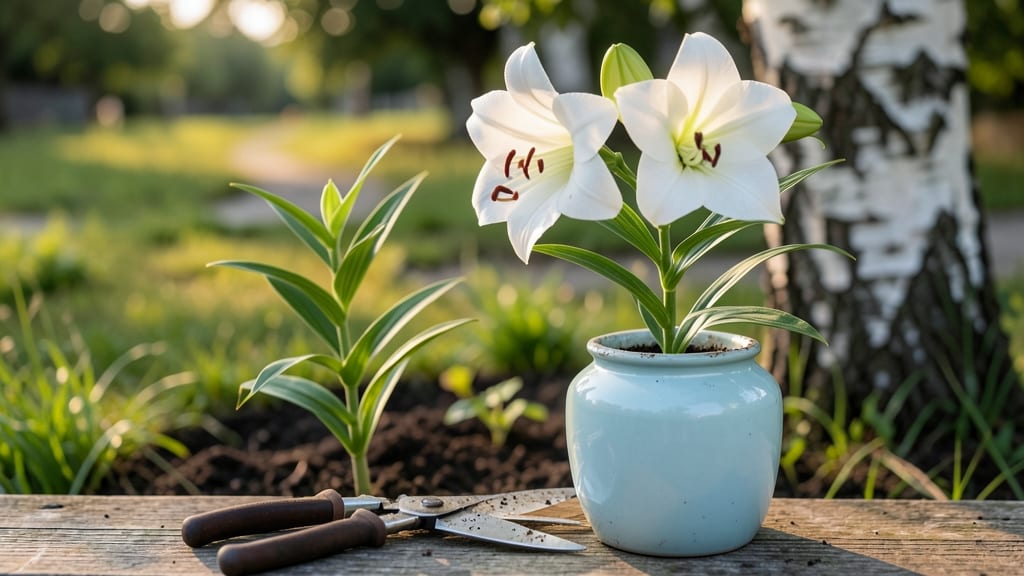
Lilies bloom in season from late spring through summer 🌸, with the exact timing depending on your USDA zone and the variety you grow.
If you’ve ever wondered why your local garden center is suddenly overflowing with lilies—or why they vanish just as quickly—timing is everything. Knowing when lilies bloom in your USDA zone can mean the difference between a stunning summer garden and months of empty flower beds.
In cooler zones like 6a, expect Asiatic lilies to pop in early June, while fragrant Oriental types may wait until July. Warmer climates push bloom times forward by weeks, so a Zone 9 gardener might see lilies as early as May.
The key is matching your bulbs to your last frost date and planting them 6 weeks before that window opens.
Here’s how to align your planting with peak bloom months, extend your season with the right varieties, and troubleshoot why some lilies refuse to show up when they should.
Lily bloom season by USDA zone: month-by-month guide
Lilies (Lilium spp.) are one of summer’s most dramatic blooms, but their bloom timing varies wildly depending on your USDA zone.
In colder zones like 3-5, you might see early Asiatic hybrids in June, while warmer zones like 8-10 can enjoy Oriental lilies blooming as late as September. Understanding these patterns helps you choose the right varieties for your garden’s peak color moments.
Most gardeners plant lily bulbs in fall or early spring, but the actual blooming window shifts based on frost dates. For example, USDA Zone 4 gardeners often see their first lilies in late June, while Zone 9 gardens may still be enjoying late-season blooms in October.
This zone-by-zone breakdown will help you plan for continuous color all summer long.
| USDA Zone | Early Bloomers (June) | Peak Bloom (July-August) | Late Bloomers (September) | Best Varieties |
|---|---|---|---|---|
| Zones 3-4 | Mid-June | Late July | Early Sept (short season) | 'Stargazer', 'Black Out' |
| Zones 5-6 | Late June | July-August | Mid-Sept | 'Casa Blanca', 'Montreux' |
| Zones 7-8 | Early June | June-August | Late Sept | 'Connecticut King', 'Lemon Queen' |
| Zones 9-10 | May-June | June-Sept | October (if mild) | 'Casa Nova', 'Pink Perfection' |
In USDA Zones 3-4, where winters are harsh, lilies like 'Stargazer' and 'Black Out' bloom early to take advantage of the short summer. These Asiatic hybrids thrive in cooler climates and often finish blooming by early September.
If you’re in these zones, consider planting early-blooming varieties near your patio for maximum enjoyment during warm evenings.
Gardeners in Zones 5-6 enjoy a longer bloom season, with Oriental lilies like 'Casa Blanca' providing fragrance from July through September. The key here is to plant bulbs in fall (September-October) so they establish roots before winter.
These zones also benefit from staggered planting—mix early, mid, and late-season varieties for continuous blooms.
Warmer Zones 7-8 can grow trumpet lilies like 'Connecticut King', which bloom from June through August and often rebloom in fall. These varieties love heat but still need well-draining soil to prevent bulb rot.
In these zones, you can also experiment with tropical lilies, though they may need winter protection in Zone 7.
For Zones 9-10, lilies are nearly year-round performers. Varieties like 'Casa Nova' bloom from May through October, with some late-season flowers lasting until frost. Here, focus on watering consistency—these zones can experience drought, and lilies need 1-2 inches of water weekly during bloom time.
Mulching helps retain moisture and keeps roots cool.
One pro tip for extending your lily season: deadhead spent blooms regularly to encourage reblooming, especially in warmer zones. Also
How to extend your lily season: planting and care tips
Want your lilies to bloom longer and brighter? The secret lies in strategic planting and consistent care. By following a few key steps, you can transform a single burst of color into months of continuous blooms.
The right timing, soil prep, and maintenance make all the difference for Lilium varieties like Asiatic and Oriental hybrids.
First, understand that lilies thrive with proper conditions. They need well-draining soil, full sun exposure (6+ hours daily), and regular watering. When planted correctly, many varieties will rebloom year after year. Let’s break down the essential steps to maximize your lily season from start to finish.
- 1. Plant bulbs in early spring (March-April) or fall (September-October) for best results. This gives roots time to establish before blooming season.
- 2. Space bulbs 4-6 inches apart and plant 6 inches deep in loose, well-draining soil to prevent rot and encourage strong growth.
- 3. Use staggered planting—plant different varieties 2-3 weeks apart to extend your bloom time from late spring to early fall.
- 4. Deadhead spent blooms immediately to redirect energy to future flower production and prevent seed formation.
- 5. Fertilize lightly in spring with a balanced 10-10-10 fertilizer and avoid heavy feeding after mid-summer.
For colder zones (USDA 3-5), mulch heavily in fall with 3-4 inches of straw or leaves to insulate bulbs. In warmer zones (USDA 8-10), lilies may bloom year-round—just ensure they get consistent moisture during dry spells.
The key to extending your lily season is consistency in care and timing.
Don’t forget to water deeply once a week during the growing season, especially when buds form. Lilies are drought-tolerant once established, but they’ll reward you with larger, longer-lasting blooms when kept evenly moist. Avoid overhead watering to prevent fungal diseases like botrytis blight, which can ruin your plants.
With these tips, your lilies can bloom from June through September or even later, depending on your zone. The payoff? A garden that stays vibrant and full of life long after other flowers have faded. Happy gardening! 🌸