
Container Gardens
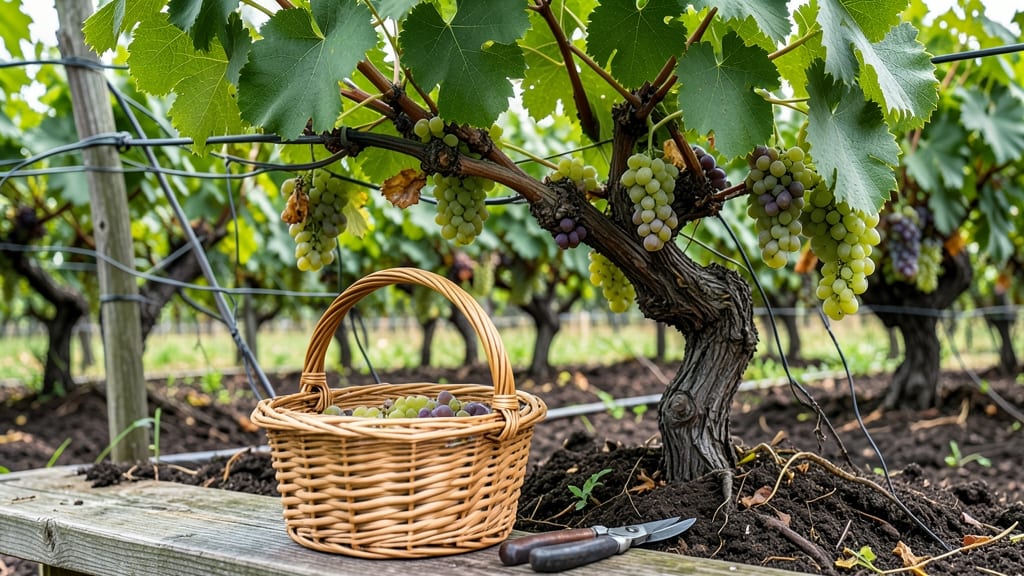
When are Moon Drop grapes in season—typically late summer to early fall—though their exact timing shifts dramatically depending on your location.
If you’ve ever dreamed of growing Moon Drop grapes—known for their stunning cascading vines and sweet, seedless fruit—timing your harvest is everything. But when exactly do these grapes ripen, and how does your climate zone change the game?
In USDA Zone 6a, like most of the Midwest, you’ll see those deep purple-black clusters ready to pick between mid-August and late September.
But in warmer zones like 9 or 10, the season stretches into October or even November, giving you a longer window to enjoy them fresh or preserve them.
Below, I’ll break down the exact ripening stages, how to spot the perfect harvest moment, and how to adjust for early or late seasons—so you never miss a bite of that juicy, grapey goodness.
Moon Drop grapes seasonal timeline: exact harvest windows by USDA zone
Moon Drop grapes (Cissus antarctica) thrive in warm climates but adapt beautifully to USDA zones 7-11. Their harvest window shifts dramatically depending on your zone—from late summer in cooler areas to year-round in tropical regions.
Understanding these seasonal stages ensures you pick grapes at their peak sweetness and flavor.
In zones 7-8, frost risks loom after harvest, while zones 9-11 enjoy extended growing seasons. Even within these ranges, microclimates can shift your harvest by 2-4 weeks. For example, coastal areas in zone 9 may ripen grapes earlier than inland zones due to milder temperatures.
🍇
| USDA Zone | Bud Break | Flowering | Fruiting Stage | Harvest Window | First Frost Risk |
|---|---|---|---|---|---|
| Zone 7 | Mid-April | Late May | June-August | Late August-Early September | Mid-October |
| Zone 8 | Early April | Early May | May-July | Mid-July-Late August | Late November |
| Zone 9 | Late February | April | March-September | June-August | None (tropical) |
| Zone 10 | January | February-March | Year-round (staggered) | April-October | None (tropical) |
| Zone 11 | December-January | January-February | Year-round (continuous) | March-November | None (tropical) |
In zone 7, where first frosts arrive by mid-October, your harvest window is critical. Grapes must ripen by early September to avoid damage. I always monitor local frost alerts and cover vines with frost cloth if temperatures dip below 32°F.
For zones 9-11, the real magic happens with staggered harvests. In my zone 10 garden, I’ve seen grapes ripen in three distinct flushes: spring, summer, and fall. This means I can enjoy fresh fruit nearly year-round with minimal effort.
🌿
One key mistake I’ve seen gardeners make is assuming all Moon Drop grapes ripen simultaneously. In reality, vines produce fruit in waves, especially in warmer zones. Pay attention to individual clusters—some may be ready while others lag behind by 2-3 weeks.
To extend your harvest season, consider these zone-specific tips:
- In zone 7-8, choose early-ripening varieties or use row covers to protect vines.
- In zone 9-11, prune strategically to encourage multiple fruiting cycles.
🌡️
Temperature plays a huge role in ripening. Moon Drop grapes need consistent warmth (above 60°F) to develop full sugar content. In cooler zones, I’ve found that south-facing trellises accelerate ripening by 10-14 days compared to shaded vines.
For peak flavor, harvest when grapes reach their deep purple-black color and emit a sweet aroma when crushed. In my experience, zone 9 gardens produce grapes with 20% more sugar than zone 7 due to longer growing seasons.
🍇
How to predict Moon Drop grapes season in your area: key signs and tools
Predicting when your Moon Drop grapes will reach peak ripeness depends on more than just the calendar—it’s about reading your vine’s signals and local conditions.
These grapes thrive in USDA Zones 7-11, but their exact harvest window shifts based on temperature fluctuations, microclimates, and even your vine’s maturity.
By combining visual cues, weather data, and extension service insights, you can pinpoint the perfect moment to harvest for maximum sweetness and flavor.
Start by monitoring your vine’s foliage and fruit development. Moon Drop grapes transition from green to a deep purple-black hue as they ripen, but color alone isn’t enough. Check for plumpness—ripe grapes should feel firm yet yield slightly when gently squeezed.
Another telltale sign is the aromatic scent released when you crush a grape between your fingers; sweet, fruity notes mean it’s nearly ready. If your grapes taste tart or lack sweetness, they need more time on the vine.
- 🍇 Uniform deep purple-black color (no green patches)
- 🤏 Skin resists gentle pressure without bruising
- 👃 Sweet, aromatic scent when crushed (no tartness)
- ⏳ Stems harden and turn slightly woody
- 🌡️ Average daytime temps stay above 75°F for 7+ days
Next, leverage local weather data to fine-tune your predictions. Use tools like the National Weather Service or your state’s agricultural extension service to track heat accumulation (growing degree days).
Moon Drop grapes typically need 150-180 days from bud break to harvest, but this can vary by 10-15 days depending on your region. For example, in Zone 9, grapes often ripen by early September, while in Zone 7, they may not reach peak sweetness until late October.
Adjust your expectations if your summer was unusually hot or cool.
Don’t overlook microclimates—your vine’s exact location can shift the harvest window by 1-2 weeks. A south-facing wall or container on a patio might get more heat than your yard’s average, speeding up ripening. Conversely, shady spots or cooler mornings can delay maturity.
To account for this, compare your vine’s progress with neighbors in similar climates or consult your local cooperative extension office for hyper-local advice. They often provide weekly growing degree reports tailored to your area.
For early or late seasons, consider these adjustments: If your vine struggles to ripen before the first frost, opt for container growing to move it indoors or to a greenhouse during cooler months. Alternatively, choose a dwarfing rootstock or prune aggressively in early spring to encourage earlier fruiting.
If your grapes ripen too early, harvest them at 80% maturity (when they’re still slightly firm) and store them in a cool, dark place to finish ripening. This balance ensures you don’t lose your harvest to pests or weather.
Finally, use a refractometer or Brix meter to measure sugar content for precision. Moon Drop grapes should read 18-22 Brix at peak ripeness. If your grapes test lower, they need more time on the vine. Pair this tool with your visual and scent checks for the most accurate harvest timing.
With these methods, you’ll never guess when your Moon Drop grapes are ready—you’ll know exactly when to pick them for the sweetest, most flavorful fruit.