
Blooming
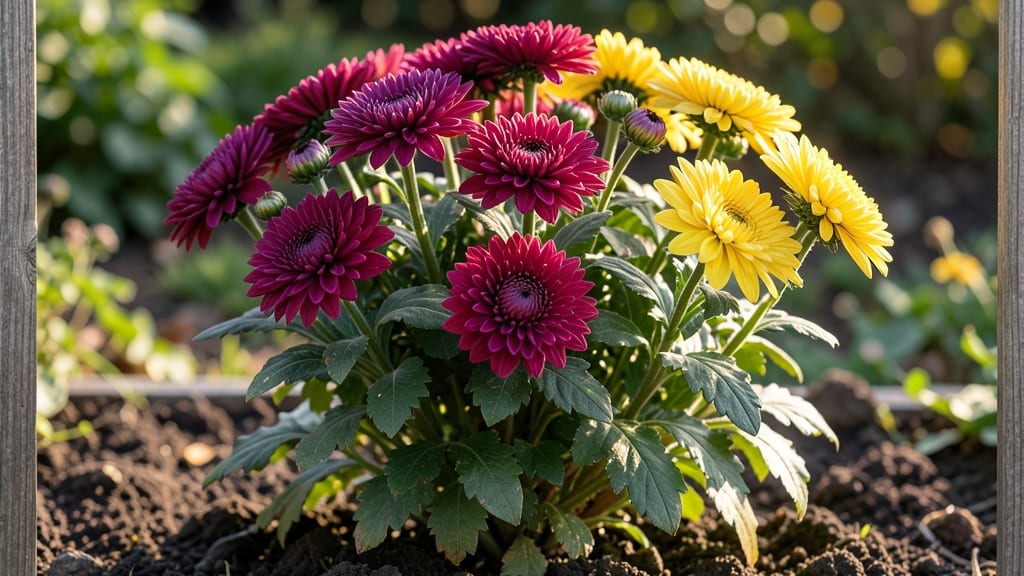
Mums are in season from late summer through fall 🌼, when garden centers burst with their vibrant colors and gardeners race to plant them before frost.
If you’ve ever wondered why chrysanthemums seem to vanish from shelves after October, you’re not alone—timing is everything. These seasonal stars thrive in cooler weather, and their peak bloom months depend heavily on your USDA zone, which can shift their availability by weeks.
In Zone 6a, where many gardeners live, mums typically bloom from September through November, but in warmer zones like 8 or 9, they may start as early as August and linger into December. Knowing these windows helps you snag the best varieties before they’re gone.
Below, I’ll break down the ideal planting and bloom times by zone, plus tips to extend their season and keep them looking fresh—so you can enjoy their beauty long after the first frost.
Chrysanthemum season by USDA zone: when to plant and bloom
Chrysanthemums (or mums) are the undisputed stars of fall gardens, but their bloom timing varies wildly depending on your USDA zone.
Whether you're in Zone 3 with early frosts or Zone 10 with mild winters, knowing the right planting windows ensures you'll have vibrant blooms when you need them most. These seasonal powerhouses thrive in cooler weather, making them perfect for late-summer to fall displays.
For gardeners in cooler zones (3-6), mums often bloom as early as late August, while those in warmer zones (7-10) might enjoy blooms stretching into December.
The key is planting at the right time—typically 6-8 weeks before your first frost—to give roots time to establish before the cold sets in. Let's break down the perfect timing for each zone.
🌼 MUM BLOOM SEASON BY USDA ZONE
| USDA Zone | Planting Window | Peak Bloom Months | Best Varieties | Notes |
|---|---|---|---|---|
| 3-4 | Mid-June to early July | Late August to mid-October | 'Autumn Joy', 'Bonanza Yellow' | Early frost risk; plant early |
| 5-6 | Late June to early August | September to November | 'Bright Lights', 'Mammoth White' | Longer bloom season than northern zones |
| 7-8 | July to early September | October to December | 'Dynasity', 'Coca-Cola' | Can bloom into winter with protection |
| 9-10 | August to October | November to January | 'Tiger Eye', 'Purple Star' | Longest bloom season; may rebloom |
In USDA Zones 3-4, where winters arrive early, gardeners should plant mums by mid-June to ensure blooms appear by late August. Varieties like 'Autumn Joy' are perfect for these regions, offering golden-yellow blooms that last well into October.
The challenge here is avoiding early frost damage, so choosing cold-hardy varieties is essential.
Gardeners in Zones 5-6 have the advantage of a longer bloom season, typically from September through November.
This is ideal for cut flower arrangements and garden beds that need late-season color. 'Bright Lights', with its striped foliage, is a standout choice here, offering both flower and foliage interest.
Plant these 6-8 weeks before your first frost, usually in late June or early July.
For those in Zones 7-8, mums can bloom well into December if planted correctly. The 'Dynasity' series is a favorite here, offering compact, long-lasting blooms in a variety of colors. Planting in July or early August gives these varieties enough time to establish roots before cooler weather arrives.
In these zones, you might even see reblooming in spring if plants are overwintered properly.
In the warmest zones (9-10), mums can bloom almost year-round, with peak seasons stretching from November to January. Varieties like 'Tiger Eye' and 'Purple Star' thrive here, offering bold colors and heat tolerance.
Planting in August or September ensures they'll bloom just as summer fades. These zones also allow for container gardening, making it easy to move plants indoors if frost threatens.
If you're planting mums for cut flowers, aim to harvest blooms when they're fully open but before they shed petals. This usually happens in the morning after dew has dried, when stems are firm and vibrant.
For longer vase life, trim stems at an angle and place them in cool water immediately after cutting. This simple step can extend their beauty by days or even weeks.
One common mistake is planting mums too late in the season, which can result in stunted growth or no blooms at all. Always follow the 6-8 week rule before your first frost date.
You can find your frost dates using the USDA Plant Hardiness Zone Map or local agricultural extension services. For container-grown mums, you
How to extend mum season: tips for late blooms and winter care
Fall’s favorite flowers don’t have to disappear with the first frost! With the right strategies, you can extend your chrysanthemum season by weeks—or even overwinter perennial varieties for next year’s blooms.
The key lies in selecting late-blooming varieties, proper pruning techniques, and smart winter care. Let’s explore how to keep your mums thriving long after other flowers fade.
Start by choosing extended-season varieties like 'Dynasity' or 'Autumn Joy', which are bred to bloom later into fall. These varieties can push your mum season well into November in mild climates.
Pair them with cold-hardy perennial mums, which can survive winter with minimal protection. The right variety makes all the difference in your garden’s fall color show.
- 1. Choose Late-Blooming Varieties: Opt for 'Dynasity' or 'Bright Lights'—these bloom 4-6 weeks later than standard types.
- 2. Deadhead Regularly: Remove spent blooms to encourage new flower production and extend the season by 2-3 weeks.
- 3. Prune for Cold Hardiness: Cut back perennial mums to 6 inches tall after first frost to protect roots.
- 4. Mulch Thickly: Apply 4-6 inches of mulch in late fall to insulate roots from freezing temperatures.
- 5. Overwinter with Protection: Cover perennial mums with burlap or frost cloth in USDA Zones 5-7 for winter survival.
Pruning plays a crucial role in extending your mum season. After the first hard frost, cut back perennial mums to about 6 inches tall to remove damaged foliage and encourage new growth in spring.
For annual mums, deadhead spent blooms weekly to redirect energy into new flowers. This simple step can add 2-3 extra weeks of vibrant color to your garden beds.
Winter care is essential for perennial mums in colder climates. After pruning, add a thick layer of organic mulch (like straw or shredded leaves) to insulate roots. In USDA Zones 5-7, protect mums with a burlap wrap or frost cloth during extreme cold snaps.
This extra layer can mean the difference between winter loss and spring regrowth.
For a second flush of blooms next spring, fertilize perennial mums in early spring with a balanced 10-10-10 fertilizer. Water deeply but avoid soggy soil, which can lead to root rot.
With proper care, your mums will reward you with early spring blooms and a head start on the growing season.
Don’t let your mum season end too soon—with these strategies, you can enjoy their beauty well into winter and set the stage for next year’s display. Happy gardening! 🌼