
Advice
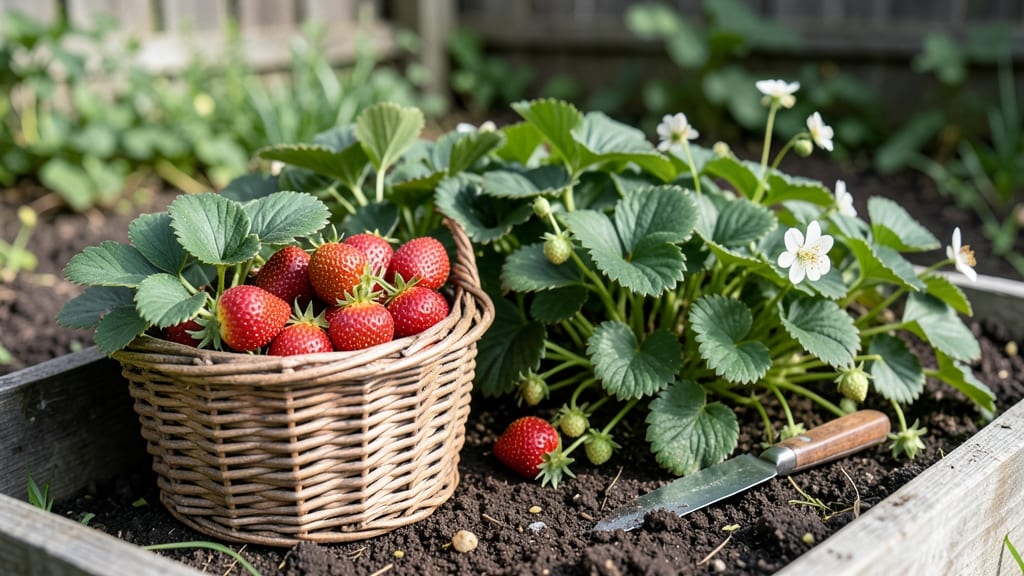
Knowing when does strawberry picking season end in your area—whether it’s early July for June-bearing types or later for everbearing ones—helps you savor the last of summer’s sweetest harvest. 🌱 in warmer areas like Zone 8 might still produce into September.
The difference between a disappointing trip and a berry-filled basket often comes down to knowing these exact windows.
June-bearing strawberries—those big, sweet varieties we all love—peak in late May to early June in most temperate zones, then decline fast. Everbearing types, however, give two harvests: a smaller one in spring and a bigger one in fall.
The key is planting the right variety for your climate and watching for those telltale red hues to fade from green. I’ve learned the hard way that waiting too long means tough, seedy berries instead of the juicy treats we crave.
You can stretch the season by choosing late-season varieties like ‘Jewel’ or ‘Chandler’, which ripen 2-3 weeks later than standard types. Mulching with straw (yes, the same name!) also keeps berries cleaner and extends harvest by 1-2 weeks.
The payoff? A few more baskets of those perfect, sun-ripened strawberries before the season truly ends.
For gardeners in warmer climates, fall-planted varieties like ‘Seascape’ or ‘Tristar’ keep producing well into October. The trick is to monitor plants closely—once the leaves start yellowing or berries turn mealy, it’s time to pick what’s left and start planning next year’s patch.
Knowing these end dates means never missing the sweetest strawberries of the season again.
📚 In This Guide
- What you need
- Instructions
- Tips and common mistakes
- Wrapping up and next steps
What you need
- ● Strawberry baskets or reusable containers: At least 2-3 sturdy, breathable containers (10–15 quarts each) to keep berries fresh. Avoid plastic bags—they trap moisture!
- ● Gloves: A pair of gardening gloves (nitrile or cotton) to protect your hands from thorns and dirt.
- ● Scissors or pruners: Small, sharp bypass pruners (or clean kitchen scissors in a pinch) to snip stems cleanly.
- ● Water bottle: A refillable, insulated bottle (16–20 oz) to stay hydrated—strawberry fields can be sunny!
- ● Sunscreen & hat: Broad-spectrum SPF 30+ and a wide-brimmed hat or cap for sun protection.
- ● Cooler with ice packs: If picking in bulk, a small, insulated cooler (10–15 quarts) to preserve berries for transport.
- ● Knee pads: For comfort if you’ll be bending a lot.
- ● Small spray bottle with water: To rinse dirty berries on-site (if allowed).
- ● Camera or phone: To capture your strawberry selfies and scenic farm views!
- ● Portable phone charger: For long days exploring multiple farms.
- ● Recipes or a knife: If you plan to sample fresh strawberries or make jam on-site (check farm rules first!).
When does strawberry picking season end: exact regional timelines
Here’s how to pinpoint the last harvest window in your area—no guesswork, just science-backed dates.
🌱 Step 1: Identify Your Hardiness Zone and Variety Type
Strawberry picking season ends when your specific variety stops producing fruit, which depends on two key factors: your USDA hardiness zone and whether your plants are June-bearing, everbearing, or day-neutral. June-bearing types (like 'Jewel' or 'Chandler') produce one massive crop in late spring, while everbearers (like 'Seascape') yield two smaller harvests—spring and fall. Day-neutral varieties (like 'Albion') keep producing until frost.
Check your zone on the [USDA Plant Hardiness Map](https://planthardiness.ars.usda.gov/)—this determines your last possible harvest. For example, Zone 5 (northern climates) typically sees the final harvest in early July, while Zone 9 (southern regions) can extend until mid-November. Write down your zone and variety—this is your season’s endgame.
☀️ Step 2: Watch for Temperature and Daylight Cues
Strawberries are sensitive to temperature shifts. In most regions, picking season ends when nighttime temperatures drop below 40°F for more than three consecutive nights. This triggers dormancy, halting fruit development. For everbearing varieties, the second flush often tapers off when daylight hours shorten below 12 hours—usually around late August to early September in northern latitudes.
Pay attention to your plants’ foliage, too. Leaves that turn yellow or purple signal stress from cooling temperatures. If your berries stop ripening but the plants still look healthy, they’re just waiting for spring. Mark your calendar when you notice these changes—they’re your first warning that the season is winding down.
⏰ Step 3: Track Frost Dates and Plant Signals
The absolute end of strawberry picking season arrives with frost, but the exact timing varies. In Zones 6-8, the last harvest often occurs 2-4 weeks before the first frost date—strawberries can tolerate light frosts if the ground stays unfrozen, but heavy frost will kill the plants. For Zones 9-10, where frost is rare, season’s end is more about plant exhaustion: berries may shrivel on the vine or fail to ripen, even if temperatures stay warm.
Here’s the rule of thumb: If your plants stop producing and the weather forecast shows consistent lows below 32°F, it’s time to harvest what’s left and prep for dormancy. In warmer climates, you might still get a few straggler berries into late October or November, but yields will be sparse.
🌿 Step 4: Plan for Next Season’s First Harvest
While your current season winds down, use the end-of-harvest period to prune dead foliage and fertilize for next year. The last picking window is also the perfect time to renew mulch (if you haven’t already) to protect roots over winter. In Zones 5-7, everbearing varieties may produce a final small crop in late fall, but don’t expect much—focus on cleaning up instead.
Real talk: If you’re in a colder zone, your June-bearing plants will go dormant entirely after their one big harvest. That’s normal! The key is to harvest all ripe berries before the plant redirects energy to root growth. Leave a few unripe berries on the plant—they won’t mature, but they won’t rot either, and they’ll signal where new growth will emerge in spring.
✂️ Step 5: Extend the Season (If You’re Ambitious)
Want to squeeze a few more weeks out of your strawberries? Try low tunnels or row covers in Zones 6-8 to delay frost by 2-4 weeks. These create microclimates that keep temperatures above freezing. In Zones 9-10, shade cloth can prevent heat stress in late summer, sometimes coaxing a third flush from day-neutral varieties.
Just don’t overdo it—strawberries need dormancy to rebloom strongly in spring. If you’re using season extenders, remove them after the first hard frost or when plants show signs of stress (like curled leaves). The goal is to protect, not trick nature. Most gardeners find that late October is the absolute latest for a meaningful harvest, even with extensions.
Tips & tricks for pinpointing strawberry picking season end
Took me years of trial and error to perfect this system—here's how to avoid the same mistakes I made.
Variety-Specific Timing: June-bearing varieties like 'Jewel' typically finish by early July in Zone 5, but everbearers like 'Seascape' might linger until late September in the same zone. Day-neutral varieties like 'Albion' can extend your harvest until frost, but their quality declines as temperatures drop below 50°F consistently. I always check my variety's expected end date against the USDA zone map to set realistic expectations.
Temperature Tracking System: The 40°F nighttime threshold is your first warning sign, but I recommend setting up a simple temperature logger or checking your local weather station's nightly lows. For everbearers, track daylight hours using a sunrise/sunset calculator—when daylight drops below 12 hours consistently, that second flush will taper off. I mark these dates on my calendar so I'm not caught off guard.
Frost Forecasting: The 32°F threshold isn't just about killing plants—it's about fruit quality. Strawberries exposed to temperatures near freezing often develop poor flavor and texture. In Zones 6-8, I start preparing for dormancy when forecasts show three consecutive nights below 40°F, even if frost isn't predicted yet. This gives me a two-week window to harvest everything before quality declines.
Season Extension Reality Check: Those low tunnels can add 2-4 weeks, but I've learned the hard way that pushing too late often backfires. In Zone 7, I once tried to extend my harvest into December and ended up with moldy berries. The absolute latest I recommend is late October—after that, you're playing with diminishing returns. Focus on quality over quantity during the final weeks.
Pro Tips for When Does Strawberry Picking Season End
- Took me years of trial and error to perfect this system—here's how to avoid the same mistakes I made.
- Variety-Specific Timing: June-bearing varieties like 'Jewel' typically finish by early July in Zone 5, but everbearers like 'Seascape' might linger until late September in the same zone.
- Temperature Tracking System: The 40°F nighttime threshold is your first warning sign, but I recommend setting up a simple temperature logger or checking your local weather station's nightly lows.
Frequently asked questions
Got questions about strawberry picking season? You’re not alone! Here are answers to the most common queries—so you can plan your next berry adventure without a hitch.
When does strawberry picking season really end?
Timing varies by region, but most farms wrap up by late July to early August in the Northeast and Midwest, and by late June to mid-July in Southern states. Check your local farm’s website for exact dates—they often update based on weather!
What happens if I show up after the season ends?
Some farms offer “second-season” or “everbearing” varieties that ripen later (like in September), but most will have no fresh strawberries after peak season. Call ahead to confirm—some farms sell pre-picked berries or frozen packs instead.
Can I still get strawberries if it’s past picking season?
Try farmers’ markets (they often sell late-season harvests), frozen strawberries (just as nutritious!), or local grocery stores that stock seasonal produce. Bonus: Canned strawberries in syrup are perfect for desserts year-round!
Are there family-friendly alternatives if strawberries are gone?
Switch to blueberry, raspberry, or blackberry picking—many farms extend their seasons for these berries into August or September. Or visit apple orchards or pumpkin patches for autumn fun. Pro tip: Some farms offer “berry mix” U-pick options!
What if rain ruins my strawberry picking plans?
Strawberries hate soggy soil, so farms often close fields temporarily after heavy rain. Check the farm’s social media or website for updates—some reschedule picking days. Pack a picnic and enjoy their café instead while you wait!
Wrapping up and next steps
Strawberry picking season is a fleeting but magical time—so don’t miss your chance to savor these sweet, juicy treats!
Whether you’re in the Pacific Northwest (June–July), the Southeast (March–May), or anywhere in between, timing is everything. Mark your calendar, pack your basket, and head out before the berries fade! Now that you know the best times to pick, why not plan a fun outing with friends or family? Check local farms for events, recipes, or even strawberry-themed festivals—because the best adventures start with a little prep! 🍓✨