
Companion Plants
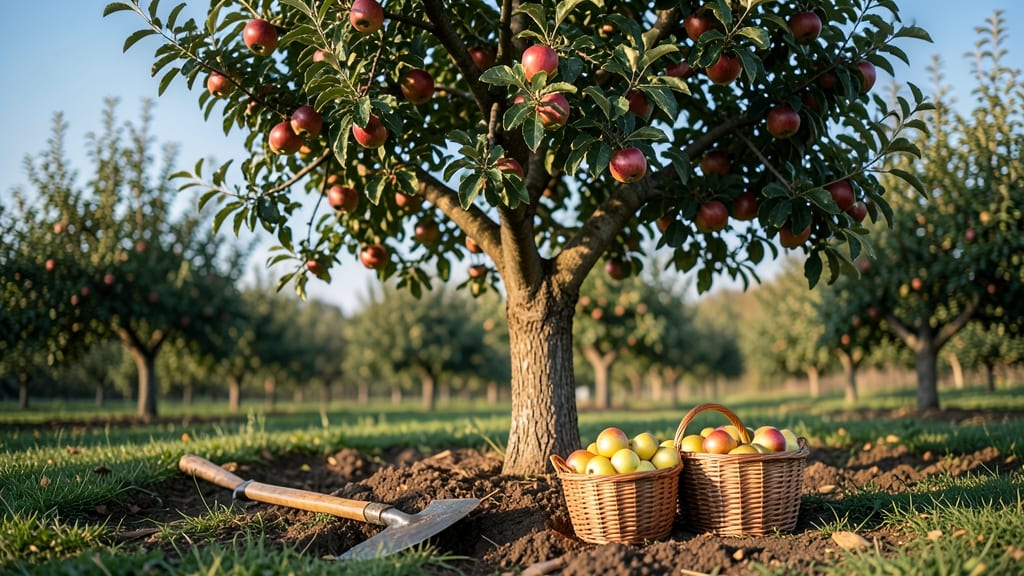
Apple harvest season peaks when flavor and texture reach their sweetest point—typically between late summer and fall, depending on your region.
Knowing when to pick apples for peak sweetness can mean the difference between a tart bite and a dessert-worthy harvest—especially when regional climates shift ripening windows dramatically.
In USDA Zone 6a, where many gardeners grow 🍎, apples often ripen between September and October, but coastal areas may see earlier harvests. Meanwhile, Southern Hemisphere growers enjoy their peak in late spring.
Below, I’ll break down the best ways to test for ripeness, regional timing tips, and how to maximize your apple tree’s yield during its prime growing months.
Apple peak season timeline by U.s. growing regions
Timing your apple harvest is an art—and one that varies wildly across the U.S. In cooler climates like the Pacific Northwest, apples often ripen by late August, while Southern states might see peak harvests as late as November.
Understanding these regional differences ensures you pick apples at their sweetest, juiciest peak. Let’s break down the month-by-month ripening windows for popular varieties like Honeycrisp, Fuji, and Gala.
Your location isn’t just about the month—it’s about the microclimate within your region. For example, Michigan’s Upper Peninsula might see McIntosh apples ready by early September, while California’s Central Valley could harvest Gala apples as early as July.
Even within a single state, elevation and soil conditions can shift ripening by 2-4 weeks. Always check local orchards for real-time updates, as unpredictable weather (like early frosts) can disrupt timelines.
| Region | Variety | Peak Month | Key Ripeness Cues | Notes |
|---|---|---|---|---|
| Northeast (NY, PA, ME) | Honeycrisp | Late September | Full red color, easy stem twist | Frost risk after Oct 15 |
| Midwest (MI, WI, MN) | Fuji | Mid-October | Crimson hue, firm texture | Longer storage life |
| Pacific Northwest (WA, OR) | Granny Smith | Late August | Bright green, tart-sweet balance | Early harvest window |
| Southern (GA, NC, TX) | Gala | November | Striped yellow-red, crisp | Warmer climates extend season |
In the Northeast, Honeycrisp apples typically reach their peak in late September, but don’t wait too long—early October frosts can ruin the crop. These apples are prized for their crisp texture and sweet-tart flavor, so timing is critical.
If you’re in New York or Pennsylvania, mark your calendar for September 20th as a general target, but scout your trees weekly for color changes and stem readiness.
The Midwest, particularly Michigan and Wisconsin, is famous for its Fuji apples, which peak in mid-October. These varieties are known for their long storage life and low acidity, making them ideal for fresh eating and baking.
However, unpredictable weather in the Midwest can shift ripening by up to 10 days, so stay flexible. If you’re growing Fuji trees, test one apple for ripeness every 3-4 days starting in early October.
Out West, the Pacific Northwest offers an earlier harvest window, with Granny Smith apples often ready by late August. These tart-sweet varieties thrive in the cooler, wetter climate and are perfect for salads or fresh snacking.
If you’re in Washington or Oregon, you might even catch a second flush of McIntosh apples in early September. The key here is to act fast—late summer heat waves can accelerate ripening, so monitor your trees closely.
For Southern gardeners, the apple season stretches later into fall, with Gala apples often peaking in November. The warmer climate allows for a longer growing season, but it also means pest pressure (like codling moths) is higher.
If you’re in Georgia or North Carolina, focus on disease-resistant varieties like Ambrosia or Jonagold, which handle humidity better. Harvest these apples when they’re fully colored and easily detached from the tree.
Regardless of your region, always perform the stem twist test before harvesting. A ripe apple should detach cleanly with a slight twist—if it resists, it’s not ready. Also, avoid picking after a hard frost, as this can turn your sweet harvest into a mealy mess
How to test for perfect ripeness before harvesting
Picking apples at the right moment transforms a tart snack into a sweet, juicy delight. But how do you know when your fruit is truly ready? Color changes are your first clue, but they’re not the only sign.
Different apple varieties ripen at different rates, and environmental factors like temperature swings can delay or speed up the process. Understanding these ripeness indicators ensures you don’t miss the window—or worse, harvest too early and end up with underripe fruit.
Start by examining the skin color of your apples. Most varieties develop their signature hues—like red blushes on Gala or deep green-to-yellow transitions in Granny Smith—when fully ripe. However, some apples, like Honeycrisp, may retain a green base even when ready to pick.
This is where other tests come into play to avoid guessing games. The key is combining multiple methods for accuracy.
⚠️ callout warning
Never wait until the last minute to harvest. A sudden early frost can damage apples still on the tree, turning them mealy or bitter. Monitor your local frost forecast and harvest 2-3 days before the predicted frost date. If frost hits, pick all remaining apples immediately—even if they’re not fully ripe—to salvage what you can. Store them in a cool, dark place to finish ripening indoors.
Next, perform the stem twist test, a foolproof way to check ripeness. Gently grasp an apple and twist it slightly. If it detaches easily with a clean break at the stem, it’s ready.
If the fruit resists or the stem snaps off with a green tail still attached, it needs more time. This test works best on mature apples that have reached their full size. Combine it with the color check for the most reliable results.
Taste is the ultimate test, but it requires a bit more patience. If you’re unsure, pick a few apples and let them ripen at room temperature for 3-5 days. Apples continue to sweeten after harvest, so a slightly underripe apple can still improve.
Look for balanced sweetness and a crisp texture—if it’s too tart or soft, it’s not ready yet. Keep a harvest journal to track which tests work best for your specific apple varieties.
Finally, consider the apple’s weight and size. Ripe apples feel heavy for their size due to their dense, juicy flesh. Compare a few apples from the same tree—if one stands out as noticeably heavier, it’s likely the ripest.
Pair this with the stem test for a double confirmation. Remember, overripe apples may bruise easily, so timing is everything. Harvest in the morning after a cool night to preserve quality and crispness.
With these techniques, you’ll never second-guess your harvest again. Whether you’re growing Fuji, McIntosh, or Pink Lady apples, mastering the art of ripeness testing ensures every bite is a flavor explosion worth savoring. Happy harvesting! 🍏