
Vegetables
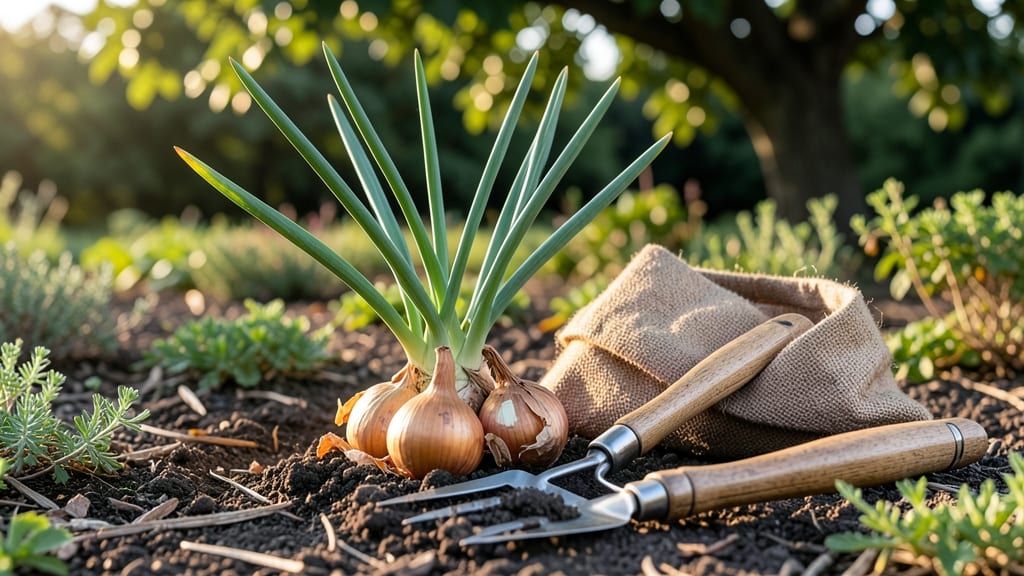
Onions are in season from late spring through fall 🧅, with peak availability depending on where you live and how they’re grown.
If you’ve ever wondered why store-bought onions taste bland or why your homegrown harvest varies wildly, timing matters more than you think. Knowing when onions are in season in your climate zone can mean the difference between a thriving garden and a disappointing yield.
Fresh onions thrive in cooler months, so spring and fall are the best times to plant and harvest. In USDA Zone 6a, like many temperate regions, onions planted in March-April yield bulbs by June-July, while fall-planted varieties mature in October-November.
But here’s the secret: storage onions last all year, and smart planting strategies let you enjoy them year-round. Below, I’ll break down the month-by-month harvest windows, plus how to extend your onion season with simple techniques.
Onion season by climate zone: month-by-month harvest timeline
Onions thrive under specific seasonal conditions that vary dramatically by climate zone. In temperate zones like USDA 5-8, spring-planted onions typically harvest in late spring to summer, while fall-planted varieties mature by autumn.
Meanwhile, tropical climates offer year-round growing potential, and cold climates require careful timing to avoid frost damage. Let's break down the ideal planting and harvesting windows for your region.
Understanding your climate zone helps you choose between short-day onions (best for southern regions), long-day onions (ideal for northern areas), and day-neutral varieties that adapt to most conditions. Each type has distinct seasonal windows, and planting at the wrong time can result in small bulbs or poor flavor.
For example, long-day onions planted in the South may bolt prematurely, while short-day varieties in the North won't mature properly.
Here's a month-by-month breakdown of onion seasonality across different climate zones, including when to plant and harvest for optimal yields:
| Climate Zone | Onion Type | Planting Month | Harvest Month | Notes |
|---|---|---|---|---|
| Temperate (USDA 5-8) | Sweet Onions | March-April | June-July | Harvest before bulbs mature for sweetness |
| Temperate (USDA 5-8) | Yellow/Red Storage | March-April or August-Sept | July-August or Oct-Nov | Spring crop for summer harvest; fall crop for winter storage |
| Tropical (USDA 10+) | Day-Neutral Varieties | Year-Round | 2-3 months after planting | Continuous harvests possible with succession planting |
| Cold (USDA 1-4) | Cold-Hardy Varieties | Early April-May | July-August | Use frost blankets for early starts; avoid fall planting |
| All Zones | Green Onions | March-October | 4-6 weeks after planting | Harvest before bulbs form for tender greens |
In temperate climates, spring-planted onions typically reach harvest by mid-summer, while fall-planted varieties mature just before the first frost. For example, in Zone 6, I plant yellow onion sets in early April for a July harvest, then again in late August for an October harvest.
This double-cropping strategy maximizes my yield while ensuring fresh onions throughout the growing season.
For tropical regions, day-neutral varieties like 'Texas Early White' allow for continuous planting and harvesting every 2-3 months. I've found that shading young plants during peak sun hours prevents bolting, even in hot climates.
This adaptability means you can enjoy fresh onions year-round with minimal effort, as long as you maintain consistent soil moisture and fertility.
In cold climates, timing is critical to avoid frost damage. I recommend planting cold-hardy varieties like 'Stuttgarter' in early spring when soil temperatures reach 45°F. These onions
How to extend your onion season: planting strategies for year-round harvests
If you love crisp, flavorful onions straight from your garden, you don’t have to settle for just one harvest season. With the right planting strategies, you can enjoy fresh onions year-round. The key lies in understanding succession planting, selecting cold-hardy varieties, and leveraging greenhouse growing methods.
These techniques help you break free from the traditional spring and fall harvest windows and enjoy homegrown onions even in winter or summer months.
Most gardeners focus on planting onions in early spring and late summer for their primary harvests. But with a few adjustments, you can create a continuous supply.
For example, planting short-day onions in late summer allows you to harvest before the first frost, while long-day onions can be started indoors in early spring for a late-summer crop. The secret is timing your plantings to align with your local climate and the specific needs of each variety.
One of my favorite strategies is succession planting. Instead of planting all your onion sets at once, stagger your plantings every 3-4 weeks from spring through early summer. This ensures you have a steady supply of green onions or small bulbs ready to harvest at different times.
For example, plant a batch in March, another in April, and a final one in May. Each batch will mature at a different time, giving you a continuous harvest through the summer and into early fall.
For those chilly winter months, focus on cold-hardy onion varieties. Varieties like 'Red Baron' or 'Storage White' can tolerate cooler temperatures and even light frosts. These onions are perfect for fall planting and can be left in the ground until you’re ready to harvest.
If you live in a region with harsh winters, consider using row covers or low tunnels to protect your plants. This simple setup can extend your harvest window by several weeks, allowing you to enjoy fresh onions even when temperatures drop.
If you’re serious about year-round onions, a greenhouse or indoor growing setup is a game-changer. Start your onion seeds indoors in late winter for an early spring harvest. You can also use grow lights to simulate sunlight if natural light is limited.
In the fall, extend your harvest by planting a final batch of onions and using a greenhouse to keep them growing until the holidays. This method ensures you have fresh onions on your table even when outdoor conditions aren’t ideal.
Don’t forget about green onions, which are one of the easiest ways to enjoy onions year-round. Unlike bulb onions, green onions grow quickly and can be harvested multiple times from a single planting. Simply snip the outer leaves as needed, and the plant will keep producing.
This makes them ideal for container gardening on patios or balconies, where you can grow them even in small spaces during any season.
With these strategies, you’ll never have to rely on store-bought onions again. Whether you’re using succession planting, cold-hardy varieties, or a greenhouse setup, you can enjoy fresh, flavorful onions straight from your garden all year long. Happy gardening!