
Picking
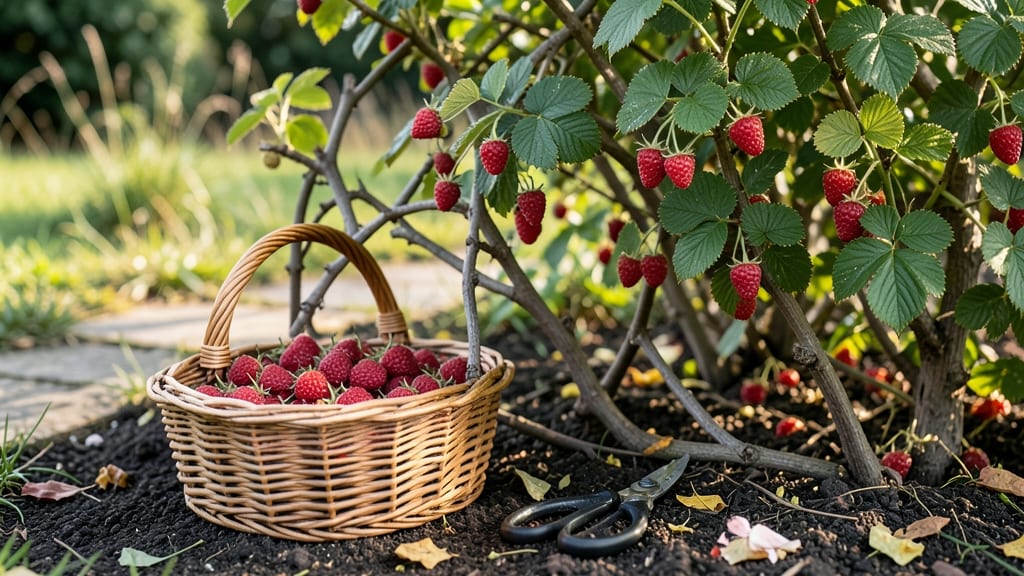
Raspberries ripen in season from late spring through early fall 🍇, but the exact months depend on your climate—miss the window, and you’ll miss out on berries bursting with flavor.
If you’ve ever bitten into a raspberry so sweet and juicy it made your taste buds dance, you know timing is everything—because raspberries only reach their peak flavor during a narrow window each year.
In temperate zones like USDA Zone 6a, raspberries typically start appearing in June and last through September, while tropical regions enjoy them year-round. But regional differences mean your neighbor’s harvest might peak weeks before yours.
Below, I break down the exact months for your area, how to spot perfectly ripe berries, and even tips to stretch your season—so you can enjoy fresh-picked raspberries longer than nature intended.
Raspberry season by US region: exact months for harvesting fresh berries
Timing your raspberry harvest is like catching a fleeting summer breeze—miss it, and you’ll miss out on the juiciest, sweetest berries of the year. The exact raspberry season varies dramatically across the U.S., shifting by 2-4 weeks depending on your time zone and climate zone.
Whether you’re in frost-prone Zone 4 or mild Zone 9, knowing your region’s window ensures you don’t end up with underripe or overly soft berries. Let’s break it down so you can plan your berry-picking adventures like a pro.
Raspberries thrive in temperate climates, where cool springs and warm summers trigger fruiting. Early-season varieties kick off the harvest, while late varieties stretch it into early fall. But here’s the catch: frost sensitivity means late-season berries can vanish overnight if temperatures dip below 28°F.
That’s why understanding your local frost dates is just as critical as knowing the calendar months.
📌 Key Takeaway: The peak raspberry season in the U.S. spans from late spring to early fall, but the exact dates depend on your USDA Hardiness Zone and time zone. For example, Pacific Northwest gardeners might harvest as early as May, while Southern gardeners could enjoy berries until October. Let’s dive into the specifics so you never miss a single juicy bite.
If you’re in the Pacific Northwest or California, you’re in luck—your early-season varieties like ‘Heritage’ or ‘Boyne’ start ripening as early as mid-May, giving you a head start on the rest of the country.
These June-bearing types produce a single massive crop, so timing your harvest is everything. Miss the window, and you’ll be waiting another year for that sweetness.
For Mountain and Central time zones, the harvest kicks off in early June, with mid-season varieties like ‘Nova’ or ‘Dormanred’ peaking in July.
These regions often see a shorter but intense harvest window, so everbearing varieties (like ‘Carolina’) are popular for stretching the season. Pro tip: If you live in Zone 5 or colder, opt for cold-hardy varieties like ‘Newburgh’ to avoid frost damage.
Gardeners in the Eastern time zone can enjoy raspberries from mid-June through August, with late varieties like ‘Killarney’ or ‘Willamette’ extending the fun into early fall. The Southern U.S. is the big winner, though, with two harvest windows: spring (April–May) and fall (August–September).
This is thanks to milder winters and longer growing seasons, making everbearing varieties like ‘Heritage’ a favorite for year-round enjoyment.
But how do you know when those berries are truly ripe? Look for fully colored fruit (red, black, or purple, depending on the variety), plumpness, and easy detachment from the plant.
If the berry snaps cleanly when you gently pull it, it’s ready to pick. Avoid green or hard berries—they’ll never reach peak flavor. And if you’re dealing with bird pressure, harvest early in the morning when berries are cooler and less appealing to feathered thieves.
Climate plays a huge role in shifting these dates. Cooler summers (like in the Pacific Northwest) delay ripening, while hot, dry spells (common in the South) can speed things up. Frost is the biggest enemy—a late frost in April or October can wipe out your entire crop overnight.
That’s why monitoring your local weather and choosing the right varieties for your zone is non-negotiable.
Ready to make the most of your raspberry season? Start by planting a mix of early, mid,
How to extend your raspberry season: tips for home gardeners and market buyers
If you love raspberries but hate waiting for their short summer window, you’re in luck—there are clever ways to enjoy them year-round. The key is understanding raspberry varieties and simple growing tricks that trick nature into giving you berries earlier or later than usual.
Whether you're a home gardener or a market buyer, these strategies will help you savor fresh raspberries for months beyond their natural season.
First, let’s talk about the two main types of raspberries: everbearing and fall-bearing. Everbearing varieties produce two crops—one in early summer and another in fall—while fall-bearing types focus all their energy on a single, massive harvest in late summer.
Choosing the right variety can double your raspberry time, and some hybrids even produce a small third crop in late fall if conditions are right.
For gardeners, row covers are a game-changer. Lightweight fabric stretched over raspberry canes can push your spring harvest forward by 2-4 weeks by trapping heat and protecting tender berries from late frost.
Similarly, removing covers in early fall can extend your season by a few weeks before the first frost hits. It’s like giving your raspberries a cozy blanket to stay productive longer.
For market buyers, timing is everything. Local farmers' markets often feature raspberries from June through September, but if you hunt for late-season varieties like 'Boyne' or 'Nova', you might find them as late as October.
U-pick farms are another great resource—they usually keep their fields open until the first hard frost, and some even offer extended-season tunnels for a few extra weeks of picking.
Don’t overlook the power of preservation. When your raspberries are at their peak, freeze them whole or dry them for snacks.
A simple technique like spreading berries on parchment-lined trays before freezing keeps them from clumping, so you can enjoy that summer taste in winter smoothies or baked goods. It’s a small effort for a big payoff!
Finally, if you’re serious about extending your raspberry season, consider planting multiple varieties. A mix of early, mid, and late-season raspberries ensures a steady supply from June through October.
Plus, diverse flavors and textures make every bite an adventure. With these tips, you’ll never have to wait for raspberry season again—just plan ahead and enjoy!