
Blooming
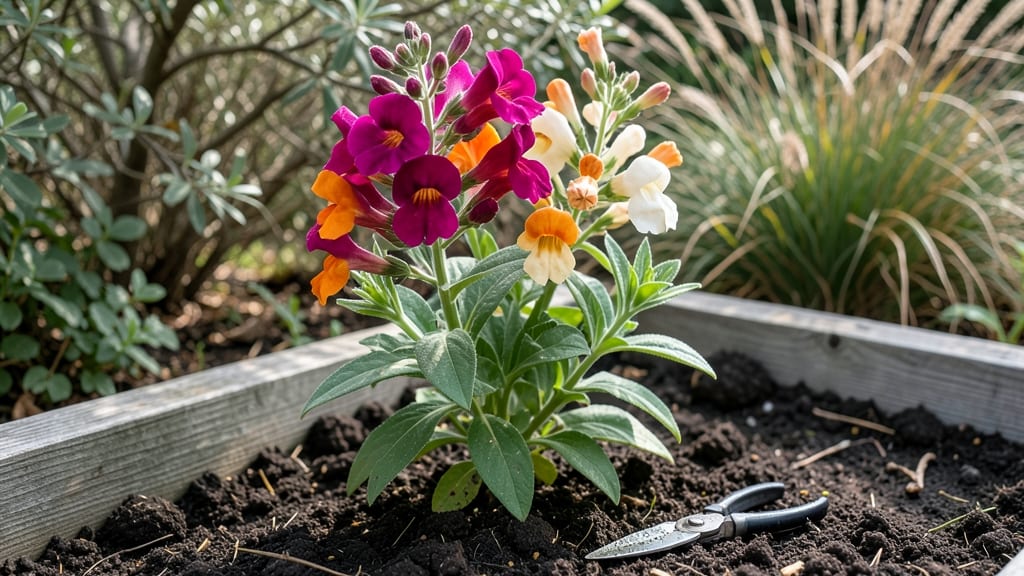
Snapdragons are in season from spring through fall in most temperate zones, but the exact timing depends on your climate and planting strategy.
If you love vibrant snapdragons but struggle to keep them blooming year-round, timing is everything—planting at the wrong season means wilted dreams instead of stunning flowers. 🌸 In USDA Zone 6a, like many gardeners, your window is tight: sow seeds in March–April after the last frost, and expect blooms from June to September.
Here’s the catch: snapdragons are frost-sensitive, so a late spring freeze or early fall chill can cut your season short. But with the right variety and a few tricks—like succession planting or greenhouse growing—you can stretch those colorful blooms well beyond their natural window.
Below, I’ll break down the best planting schedule by zone, how to extend your snapdragon season, and the top varieties for year-round color, so you never miss a bloom again.
Snapdragon season by USDA zone: when to plant for peak blooms
Timing your snapdragon planting by USDA zone is the secret to non-stop color from spring through fall. These frost-sensitive annuals thrive when planted at the right moment—too early and they'll bolt, too late and they'll struggle in heat.
Let's break down the perfect planting windows for zones 3 through 11 to keep your garden bursting with snapdragon blooms all season.
Most gardeners focus on spring planting (March-April in most zones), but savvy growers know fall planting can extend blooms into winter in warmer climates. The key is understanding your last frost date and heat tolerance of your chosen varieties.
For example, 'Black Knight' handles heat better than 'Rocket Mix', making it ideal for southern zones.
🌱 Pro Tip: Always check your local frost dates—they can vary by 1-2 weeks even within the same zone. Use the USDA Plant Hardiness Zone Map as your guide, but verify with your cooperative extension service for precise timing.
| USDA Zone | Spring Planting | Fall Planting | Bloom Window | Notes |
|---|---|---|---|---|
| Zones 3-4 | May 15-June 1 | Not recommended | July-September | Use cold-hardy varieties like 'Matrix' series |
| Zones 5-6 | April 15-May 1 | August 15-September 1 | June-October | Fall planting works if soil stays above 50°F |
| Zones 7-8 | March 15-April 15 | July 15-August 15 | May-November | Ideal for succession planting |
| Zones 9-10 | February 15-March 15 | June 15-July 15 | March-December | Plant heat-tolerant varieties like 'Sonnet' |
| Zone 11 | Year-round (succession) | Year-round (succession) | Continuous blooms | Provide afternoon shade in summer |
In northern zones (3-6), focus on spring planting after your last frost date. These areas have shorter growing seasons, so choose early-maturing varieties (60-75 days to bloom) like 'Butterfly' or 'Pocket Rocket'.
For fall color, try planting in late summer—just be prepared to protect them from early frosts with row covers or greenhouse containers.
Gardeners in zones 7-10 have the advantage of extended seasons. You can plant spring and fall crops for continuous blooms. For example, plant your first batch in March, then succession plant every 3-4 weeks through July.
This creates a staggered bloom that keeps your garden vibrant from May through November.
For Zone 11 gardeners, snapdragons are year-round plants! Take advantage of this by planting every 4-6 weeks for non-stop color. Just remember to provide afternoon shade during peak summer months to prevent heat stress. Varieties like 'Tango' and 'Applause' handle the heat beautifully.
🌿 Key Reminder: Always check the seed packet for your specific variety's days to maturity. Some snapdragons bloom in
How to extend snapdragon blooms beyond their natural season
Snapdragons typically thrive from spring through fall, but with the right techniques, you can enjoy their vibrant blooms year-round. The key lies in understanding their growth habits and adapting your care routine to extend their natural season.
Whether you're dealing with early frosts or late heat waves, these methods will help you keep your snapdragons flourishing when they'd normally fade away.
Many gardeners assume snapdragons are strictly a cool-season plant, but with succession planting and protected environments, you can push their blooming windows. I've successfully grown snapdragons in winter using greenhouses and even in summer by providing afternoon shade.
The secret is combining the right timing with the right conditions—let me show you how!
- 1 Succession Planting: Plant new seeds every 2-3 weeks from spring to early summer. This ensures a continuous bloom cycle and prevents gaps in your garden's color palette.
- 2 Overwintering: In USDA Zones 7-10, protect mature plants with row covers or move pots to a sheltered location. Mulch heavily to insulate roots from freezing temperatures.
- 3 Greenhouse Cultivation: Start seeds indoors 8-10 weeks before your last frost date. Use a heat mat to speed germination and maintain 60-65°F soil temps for optimal growth.
- 4 Summer Extension: Provide afternoon shade during peak summer months to prevent bolting. Use lightweight shade cloth (30-50%) to maintain cool root zones while allowing morning sun.
- 5 Deadheading: Remove spent blooms regularly to encourage new flower production. This simple task can extend your snapdragons' blooming season by 3-4 weeks in optimal conditions.
One of my favorite tricks is using succession planting combined with container gardening. By planting snapdragons in pots, I can move them to warmer microclimates during heat waves or bring them indoors before first frost.
This flexibility lets me enjoy their unique blooms well beyond their typical spring-to-fall window.
For winter blooms, focus on cold-hardy varieties like 'Black Knight' or 'Matrix'. These varieties can tolerate light frosts (down to 25°F) when properly protected. Pair them with evergreen mulch like straw or pine needles to maintain soil insulation.
I've had success growing these varieties in unheated greenhouses during mild winters, where they continue blooming until late January.
Don't forget that light levels play a crucial role in extending snapdragon seasons. While they thrive in full sun, they can tolerate partial shade during extreme heat. In USDA Zones 1-6, consider using grow lights indoors to supplement natural light during short winter days.
This helps maintain their photosynthetic activity and keeps them healthy for longer blooming periods.
With these techniques, you can transform snapdragons from seasonal stars to year-round showstoppers. The key is observing your local climate, experimenting with protective measures, and staying consistent with care. My late-season snapdragons always get the most compliments—proof that a little extra effort pays off in stunning, extended blooms! 🌸