
Flowers
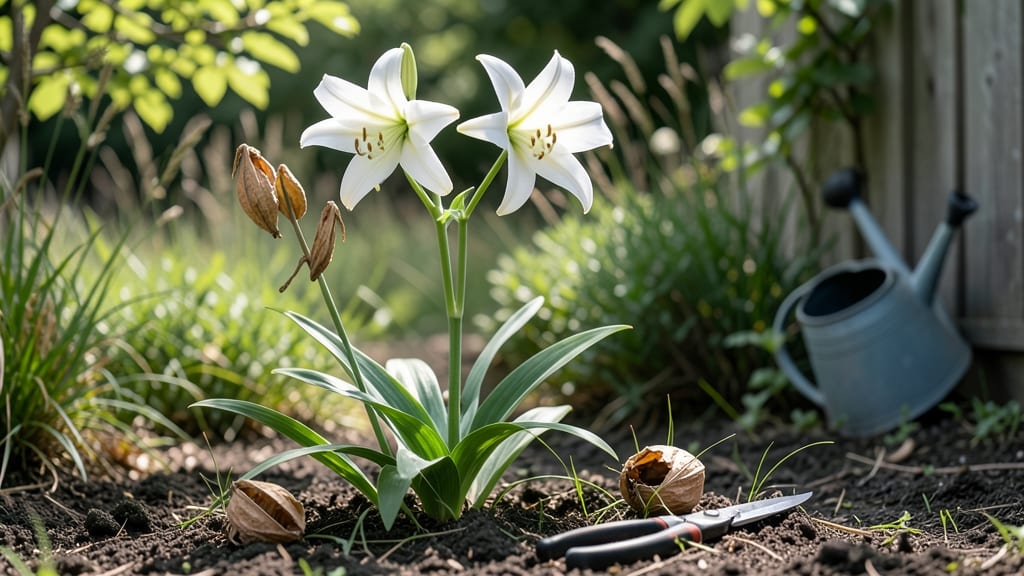
Your timing for white lily blooms depends on where you live and which variety you choose. 🌸 For example, Madonna lilies often open earlier in spring, while Stargazer types may linger into August in warmer climates.
Gardeners in cooler zones sometimes use black plastic mulch to extend the season, while those in hotter areas might plant in partial shade to prevent wilting. The key is matching your local frost dates with the variety's hardiness zone—most white lilies thrive in USDA zones 3-9.
If you're planning a wedding or event, I recommend checking with local nurseries 2-3 months ahead. They can tell you exactly when their white lily stock will arrive, as some growers force early blooms using controlled greenhouse conditions.
This is especially helpful if you need flowers outside the traditional May-July window.
💡 In This Article
- Factors Influencing White Lily Bloom Timing
- Best Regions and Months for White Lily Cultivation
Factors influencing white lily bloom timing
The primary driver behind white lily bloom timing is daylength, as these flowers are highly sensitive to photoperiodism—their response to changing daylight hours. 🌞 Most varieties require 12-14 hours of daylight to trigger bud formation, which explains why blooms typically begin in late spring when days lengthen past 14 hours in temperate zones.
For example, in New York City, daylight reaches this threshold around early May, aligning with the start of Madonna lily season.
Temperature also plays a critical role. White lilies need consistent soil temperatures above 60°F to break dormancy, which occurs earlier in southern climates (like Florida) than in northern regions (like Minnesota).
The Stargazer variety, for instance, often blooms 2-3 weeks later than Madonna lilies because it requires slightly warmer soil to initiate flowering. Microclimates matter too—urban areas with heat islands may see earlier blooms compared to rural surroundings.
Variety-specific genetics create another layer of variation. Some white lilies, like the Casablanca hybrid, are bred for early blooming and may appear as early as late April in ideal conditions, while others like White Heaven prefer longer daylight exposure and bloom later.
This genetic diversity means gardeners can extend their white lily season by selecting appropriate cultivars for their climate zone.
Even within the same region, elevation changes can shift bloom windows by 1-2 weeks. Higher altitudes experience cooler temperatures and shorter growing seasons, delaying blooms.
For example, white lilies in Denver (elevation 5,280 ft) typically bloom 10-14 days later than those in nearby Colorado Springs (elevation 6,035 ft), despite being only 100 miles apart.
Water availability creates another critical factor. Lilies need consistent moisture during their growing season, but excessive water can delay blooming by promoting leafy growth over flower buds.
In drought-prone areas like California's Central Valley, gardeners often use drip irrigation systems to maintain optimal soil moisture without overwatering, which helps maintain predictable bloom timing.
Finally, previous year's growth affects timing. Mature lily bulbs that received proper care (like 6-8 weeks of summer dormancy) will produce flowers 2-3 weeks earlier than newly planted bulbs. This is why established gardens often see more reliable bloom schedules than first-year plantings.
Understanding these factors lets you strategically choose varieties and care practices to align blooms with your needs—whether for weddings, cut flower arrangements, or garden enjoyment. 🌸