
Container Gardens
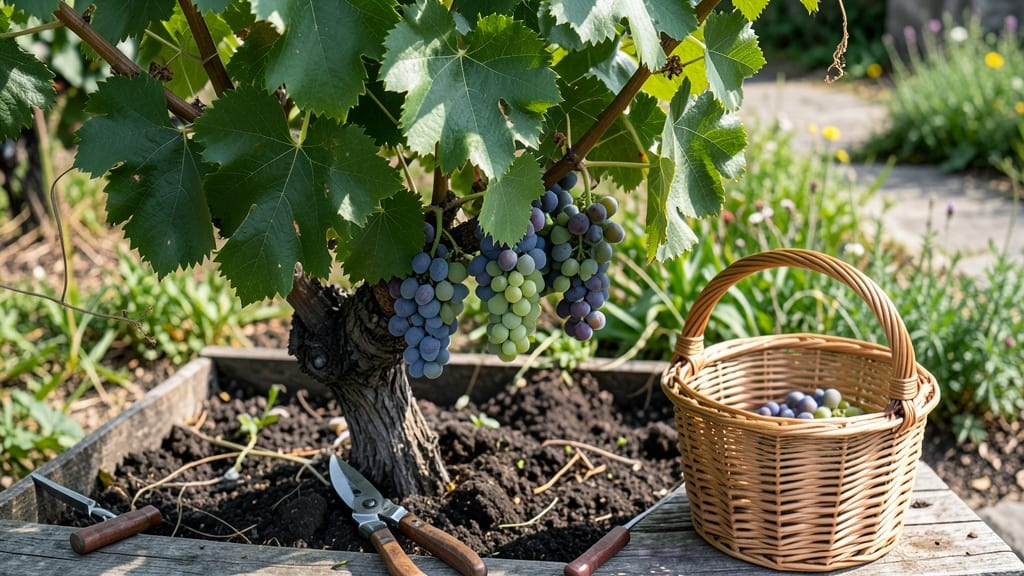
Grapes come in season from late summer to early fall, typically between July and October, though exact timing depends on the variety—early types like Muscadines ripen in July, while late varieties like Cabernet Sauvignon mature in September or October. Warmer climates extend the harvest into November.
Grapes actually vary more than most people realize—your local grocery store's selection in August might be completely different from what's available in September. 🍇 The key factors are sunlight exposure and temperature swings, which speed up or slow down ripening.
For example, Thompson Seedless grapes often peak in August, while Flame Seedless varieties can hang until October in warmer regions.
If you're growing grapes in your container garden, pay attention to your USDA zone—cooler areas (like Zone 5) might see a shorter harvest window, while Zone 9 gardeners could enjoy grapes well into November.
Pro tip: Check local farm reports or agricultural extension services for precise timing in your area—they track first harvest dates by variety. I've found that even within the same state, harvest windows can shift by 2-3 weeks depending on elevation and microclimates.
For container growers, this means planning your pruning schedule carefully to maximize your harvest window.
💡 In This Article
- Grapes Ripening Timeline by Variety and Climate
- How to Track Local Grape Harvest Seasons
Grapes ripening timeline by variety and climate
The ripening process of grapes is directly tied to their variety and environmental conditions. For instance, early-season varieties like Muscadines begin ripening as early as late June to July, while mid-season types such as Thompson Seedless typically reach peak ripeness in August.
Late-season varieties, including Concord and Cabernet Sauvignon, mature between September and October. This timeline is influenced by the grapevine's need for 1,200 to 1,500 growing degree days (a measure of heat accumulation) to fully ripen.
Climate plays a pivotal role in shifting these windows. In USDA Zone 5 (colder regions), grapes may ripen 2-3 weeks later due to shorter growing seasons, while in Zone 9 or 10 (warmer climates), harvests can extend into November or even December.
For example, Flame Seedless grapes in California's Central Valley often ripen by late August to early September, but in cooler Pacific Northwest regions, they might not peak until October.
Frost is a critical threat—early frosts in September can ruin late-season varieties like Chardonnay or Merlot if they haven't fully ripened.
Sunlight exposure accelerates ripening by boosting sugar production in the grapes. Varieties like Concord thrive in full sun, developing their signature deep purple hue and sweet-tart flavor when exposed to 6-8 hours of direct sunlight daily.
In contrast, shade-tolerant types like Niagara may ripen more slowly but still follow the same seasonal pattern. For container growers, this means positioning vines in south-facing spots to maximize heat absorption and extend the harvest window by 1-2 weeks compared to shaded locations.
Temperature fluctuations also impact ripening speed. Ideal daytime temperatures for grape maturation range between 75-90°F, while nights should stay above 55°F. Below 50°F, grape sugar production slows dramatically, delaying ripening.
In cooler climates, gardeners can use black plastic mulch or row covers to raise soil temperatures by 5-10°F, effectively pushing back the first frost and extending the season by 3-4 weeks.
Here’s a quick reference for common table grape varieties and their typical ripening windows:
- Early Season (July): Muscadines, Scuppernong (best in USDA Zones 7-9)
- Mid-Season (August): Thompson Seedless, Red Globe (peak in Zones 6-10)
- Late Season (September-October): Concord, Flame Seedless, Niagara (thrive in Zones 5-9)
- Very Late (October-November): Cabernet Sauvignon, Chardonnay (limited to Zones 8-10)
Understanding these timelines helps gardeners plan pruning, fertilization, and harvest schedules. For example, pruning Concord vines in late winter (before buds swell) ensures they produce fruit in time for the September harvest window. Meanwhile, late-season varieties like Cabernet Sauvignon benefit from delayed pruning to avoid early frost damage. 🌱