
Orchid Care
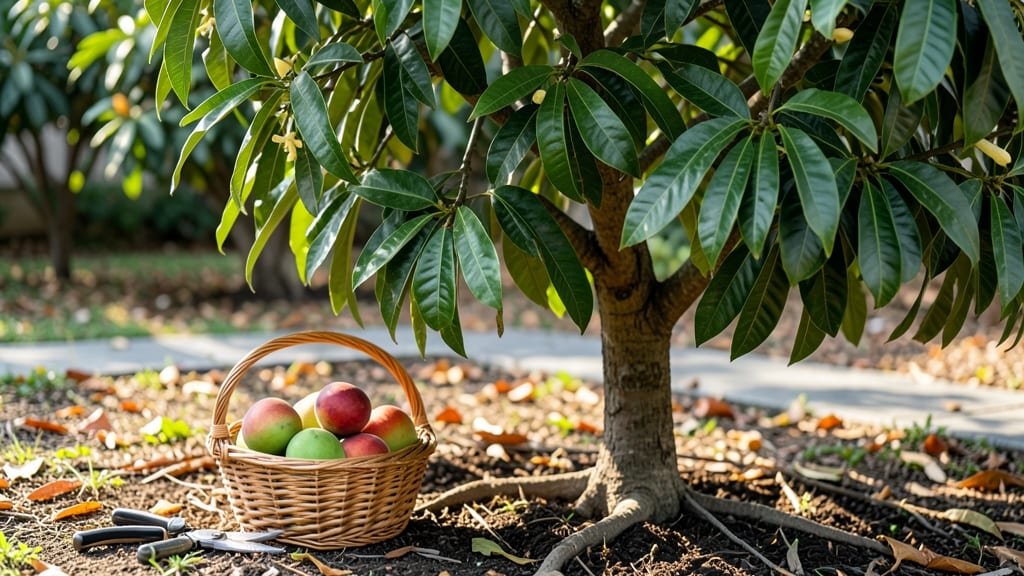
Mangos come into season from late spring through summer in tropical climates, but timing shifts dramatically in cooler zones—like winter for lucky growers in Florida or fall for those in California’s frost-free pockets.
If you’ve ever bitten into a perfectly ripe mango only to wonder how to time your next harvest, you’re not alone—mango seasonality depends heavily on your USDA zone and growing conditions.
In zones 10-12, where 🥭 trees thrive year-round, fruit ripens in summer, while gardeners in zone 9 or cooler must protect their trees (or settle for grocery-store imports).
The key to predicting your mango’s peak ripeness lies in understanding your local heat zones, frost risk, and even coastal breezes. A 300-day frost-free window is non-negotiable, which is why Florida’s harvest stretches from April to September, while California’s can start as early as March.
Varieties like ‘Haden’ or ‘Tommy Atkins’ also play a role—each has its own schedule for color shifts, sweetness peaks, and that telltale give when pressed.
Here’s what you’ll discover: how to read your tree’s signals for harvest-ready fruit, the one trick to extend the season in marginal zones, and why planting in late winter (even in cooler areas) gives you the edge over store-bought mangos that never quite taste the same.
Mango season by USDA zone: when to expect peak ripeness
Timing your mango harvest isn't just about waiting for summer—it depends entirely on your USDA zone and whether you're growing tropical or subtropical varieties. In frost-free zones like 10-12, mangos ripen year-round, while gardeners in zones 6-9 must use microclimates or containers to extend the season.
The key is understanding how temperature and daylight influence ripening schedules.
For home growers, planting in late winter or early spring (after last frost) gives trees time to establish before summer's peak fruiting window. Subtropical varieties like 'Cogshall' tolerate cooler zones better than tropical 'Haden' or 'Keitt', which need consistent warmth.
Even in marginal zones, choosing the right variety can shift your harvest by 2-3 months.
🌱
| USDA Zone | Peak Ripeness Window | Best Varieties | Planting Time |
|---|---|---|---|
| Zones 10-12 | Year-round (2 crops: spring & fall) | Haden, Keitt, Tommy Atkins | Fall (Sept-Nov) |
| Zones 9-9b | Late spring-early summer (May-July) | Cogshall, Julie, Nam Dok Mai | Early spring (Feb-Mar) |
| Zones 8-8b | Summer only (June-Aug) | Carrie, Ice Cream | Late spring (Apr-May) |
| Zones 6-7 (containers) | Indoor ripening (Sept-Oct) | Dwarf varieties only | Spring (May) |
In zones 10-12, where frost is rare, mangos produce two harvests annually—spring and fall—with peak ripeness aligning with natural blooming cycles. The 'Haden' variety, for example, typically ripens in late spring (April-May), while 'Keitt'early fall (August-September). This dual harvest lets growers enjoy fresh fruit nearly year-round.
Gardeners in zones 9-9b face a tighter window but can still harvest May through July by choosing early-ripening varieties like 'Cogshall'. These zones benefit from warmer winters, allowing trees to flower earlier.
However, late frosts can damage blossoms, so protecting young trees with frost cloth during critical flowering periods is essential.
For zones 8-8b, summer is the only viable harvest window (June-August), and varieties like 'Carrie' are hardier against brief cold snaps. These zones require full sun exposure and sheltered locations to prevent frost damage.
Container growing can help extend the season by allowing trees to be moved indoors during winter.
In zones 6-7, only dwarf varieties in containers survive, with harvests limited to indoor-ripened fruit (September-October). These trees need grow lights during winter to maintain productivity. While yields are smaller, the experience of growing mangos in cooler climates is rewarding for dedicated gardeners.
To maximize your mango harvest, align planting with local frost dates and choose varieties matched to your zone. In warmer zones, focus on soil drainage and consistent watering during fruiting. In cooler zones, prioritize microclimate selection and container mobility to protect against frost.
Remember, mangos ripen off the tree, so harvest when they're firm but yielding to gentle pressure. Store them at room temperature until fully ripe for the best flavor. With the right variety and care, you can enjoy homegrown mangos regardless of your USDA zone.
🌿
How climate affects mango harvest timing: heat zones vs. coastal regions
Mango trees thrive in tropical and subtropical climates, but their harvest timing shifts dramatically based on heat zones versus coastal regions.
In USDA zones 10-12, where frost is rare, mangos may fruit year-round, while in cooler coastal areas like Southern California or Florida, you’ll see peak harvests from late spring to early fall. Understanding these differences helps you time your planting and care routines for optimal fruit production.
In hot inland zones, like Arizona or Texas, high daytime temperatures (above 85°F) accelerate ripening, often leading to earlier harvests in summer. Meanwhile, coastal regions with moderate temperatures and higher humidity (like Hawaii or Puerto Rico) may extend the harvest into fall, thanks to milder nights.
These microclimates create a 3-4 month window shift in ripening schedules.
⚠️ callout warning
Even in marginal zones (USDA 9-10), a single 32°F night can kill young trees or damage blossoms. Use frost cloths or container growing to protect trees. Coastal areas with marine layer fog (like San Diego) offer natural frost protection, while inland zones need windbreaks or mulching to retain soil warmth.
Temperature fluctuations are the biggest factor in harvest timing. Mango trees need consistent warmth—below 50°F halts growth, while above 90°F speeds up ripening. In desert climates, like Phoenix, mangos may ripen 2-3 weeks faster than in humid coastal areas like Miami. Monitor your local heat index to predict ripening windows accurately.
Humidity plays a surprising role too. High humidity (above 70%) can lead to fungal issues like anthracnose, but it also slows ripening slightly, giving you a longer harvest window. In dry inland zones, mangos may ripen unevenly, so consistent watering (15-20 gallons per tree weekly) keeps fruit quality high and timing predictable.
To extend your harvest window in marginal zones, try these proven strategies:
- Plant heat-tolerant varieties like 'Cogshall' (cold-hardy) or 'Keitt' (humidity-resistant).
- Use black plastic mulch to warm soil and roots in early spring.
- Prune strategically to improve airflow and reduce fungal risks from humidity.
By tailoring your care routine to your local climate, you can enjoy homegrown mangos for months longer—even in less-than-ideal zones. Start with a small container tree if your area has frost risks, and gradually expand as you master the timing! 🌱