
Pests and Diseases
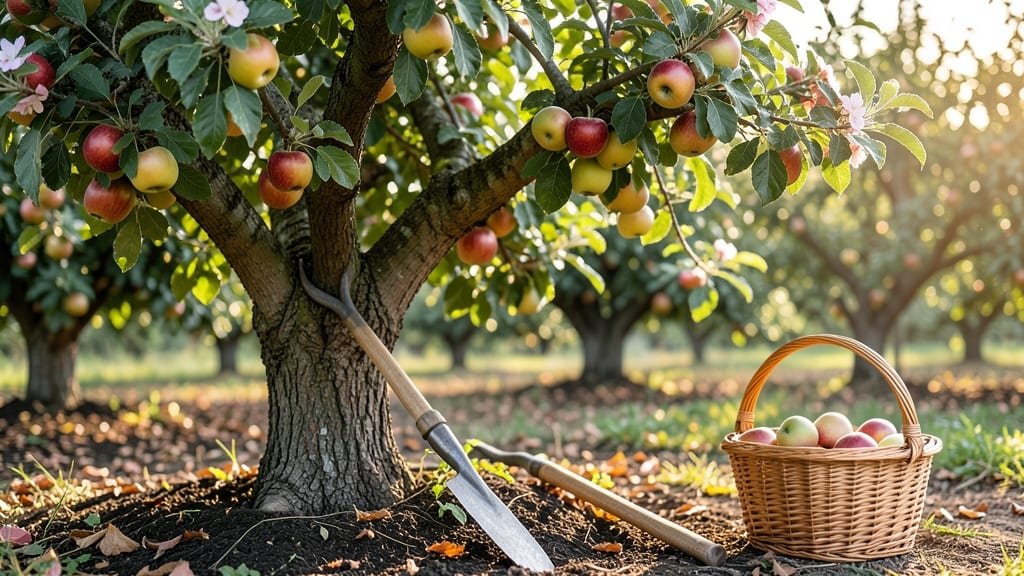
Apple season arrives in late summer through early fall 🍎, when orchards burst with crisp, flavorful fruit that tastes nothing like the grocery-store version.
If you’ve ever bitten into a crisp, juicy apple straight from the orchard and wondered when the perfect time to pick them is, you’re not alone.
Apple season varies dramatically across the U.S.—and knowing the right window for your USDA zone could mean the difference between a bland grocery-store apple and a flavor explosion.
In Zone 6a, where many home gardeners grow apples, harvest typically kicks off in August for early varieties like Gala and peaks in September and October for late-season favorites such as Cortland. But regional climate shifts that window by weeks, so timing matters.
Below, I’ll break down the exact months for your zone, how to test ripeness, and why some apples taste sweeter when picked at dawn. Ready to plan your orchard trip?
Apple season by USDA Zone: exact harvest months for sweet vs. tart varieties
Apple season isn’t a one-size-fits-all event—it shifts dramatically depending on your USDA zone and the variety you’re growing. In colder zones like Zone 3, tart varieties like McIntosh ripen as early as late August, while warmer Zone 10 regions can enjoy Fuji apples well into November.
These differences aren’t just about timing; they’re tied to chilling hours and heat accumulation, which directly impact flavor and texture.
Climate plays a huge role in when apples reach peak ripeness. For example, Honeycrisp apples in Zone 5 may be ready by mid-September, but in Zone 7, they’ll often wait until early October.
Meanwhile, Granny Smith—a tart favorite—typically ripens 2-3 weeks earlier than sweet varieties in the same zone. Understanding these patterns helps you plan orchard visits or home harvests for maximum flavor.
Most commercial orchards open for u-pick once 70-80% of apples in a variety are ripe, which can vary by 1-2 weeks depending on weather. A late frost or unexpected heatwave can push harvest windows even further.
For home gardeners, this means checking your local orchard’s harvest calendar or monitoring your tree’s fruit development closely.
Here’s a quick breakdown of how apple season shifts across zones, including key varieties and their typical harvest windows:
In Zones 3-4, where winters are harsh, apples like McIntosh and Granny Smith ripen earliest because they require fewer chilling hours (300-500 hours below 45°F). These zones often see harvests as early as late August, making them ideal for quick-preserving varieties.
Meanwhile, Zone 10 orchards can stretch apple season into November thanks to milder winters and longer growing seasons.
Sweet varieties like Honeycrisp and Fuji generally need 500-800 chilling hours, which is why they thrive in Zones 5-8. These apples often peak in September-October, aligning with cooler autumn temperatures that enhance their natural sweetness.
If you’re in Zone 7 or warmer, you might even find second harvests of late-season varieties like Cortland or Jonagold.
Regional microclimates can also shift harvest windows by 1-3 weeks. For example, a Fuji tree in Zone 7’s coastal area might ripen 2 weeks earlier than one inland due to cooler ocean breezes.
Similarly, valley regions often experience warmer nights, accelerating ripening. Always check with local orchards or extension services for hyper-localized advice.
For home gardeners, timing your harvest is about more than just the calendar—it’s about fruit maturity tests. A ripe apple should detach easily with a slight twist, have a firm but not rock-hard skin, and emit a variety-specific aroma.
Waiting too long can lead to overripe fruit, while picking too early means underdeveloped flavor. Balance is key, especially for storage varieties like Granny Smith or Fuji, which need to ripen fully on the tree.
If you’re planning a u-pick trip, aim for weekdays in September to avoid crowds. Orchards often open 2-3 weeks before peak harvest to give pickers access to early varieties, but the best flavor usually comes 1-2 weeks after opening.
Pro tip: Call ahead to confirm harvest dates, as unpredictable weather can push windows earlier or later.
Understanding your USDA zone and the vari
How to time your apple picking for maximum flavor (and avoid the crowds)
Timing your apple harvest correctly ensures peak flavor and texture—never settling for store-bought blandness again. The key lies in understanding three critical factors: ripeness indicators, weather conditions, and orchard crowd levels.
Miss the window, and you might end up with mealy apples or empty bins. Let me show you how to nail it every time.
First-time pickers often struggle with visual cues like color changes or stem tests. Many varieties ripen at different rates, even within the same orchard. For example, Honeycrisp apples develop a golden blush, while Granny Smith stays vibrant green until fully ripe.
I’ll walk you through the exact tests to perform before picking.
🍎 5 Signs Your Apples Are Ready to Pick
- Full color development: Apples achieve their variety-specific hue (e.g., red stripes for McIntosh, yellow for Gala).
- Firm but yielding skin: Gently press—if it gives slightly but doesn’t bruise, it’s ripe.
- Clean stem separation: Twist gently—if the stem detaches with a slight pop, it’s ready.
- Aroma test: Hold an apple to your nose—ripe ones release a sweet or tart fragrance.
- Size consistency: Apples stop growing 2–4 weeks before peak ripeness—wait until they’ve reached full size.
Weather plays a surprising role in apple flavor. Picking after a cool night (below 60°F) enhances sweetness, while harvesting on hot days can make apples taste bland. I recommend visiting orchards early in the morning when temperatures are cooler—this also helps avoid the midday crowds that make picking stressful.
For home gardeners, post-harvest decline is a real risk if you pick too early. Apples continue ripening off the tree, but they won’t improve much past their peak.
Store them in a cool (32–40°F), humid (85–90%) environment to slow aging. A simple cardboard box with a damp towel works in a garage or cellar.
Pro tip: Check orchard websites for harvest updates—many post weekly ripeness reports. Some farms even offer "second harvest" pickings for late-ripening varieties like Cortland or Northern Spy. These often have fewer crowds and sweeter fruit since they ripen later in the season.
Pack these essentials for your trip: clippers or a picking bag, sunscreen, and a reusable container. Avoid plastic bags—they trap ethylene gas, speeding up spoilage. And if you’re unsure about ripeness, ask staff to taste-test a sample. Most orchards are happy to help first-timers!