
Vegetables
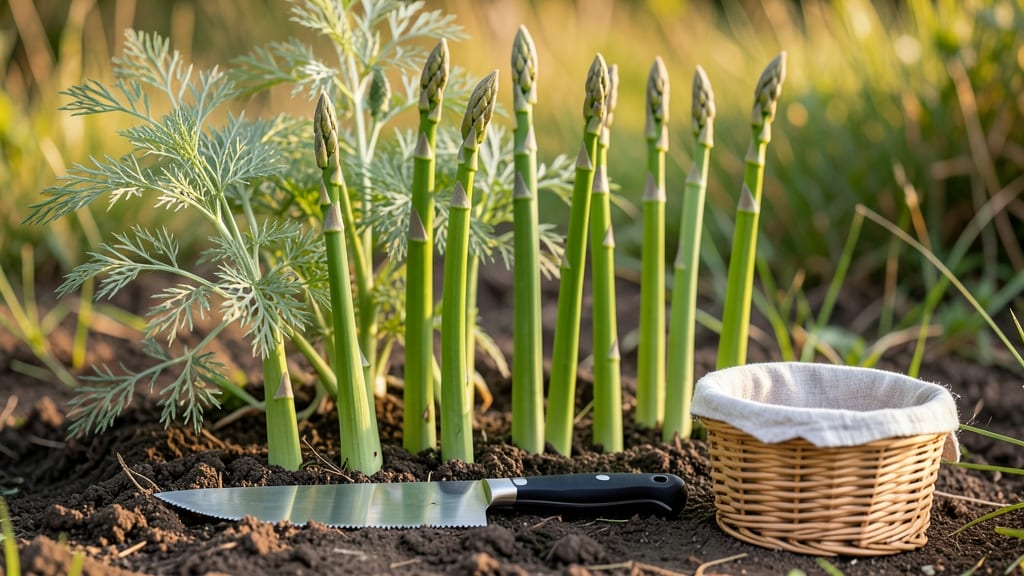
Asparagus season arrives in spring 🌱 when the soil warms and spears push through the earth, marking one of the most anticipated harvests for home gardeners.
If you’ve ever wondered why asparagus costs a fortune in grocery stores or why your local farmers' market suddenly overflows with fresh spears, the answer lies in its very specific growing season—one that varies dramatically depending on your climate zone.
For most of the U.S., including USDA Zone 6a, the prime window to plant asparagus crowns is March or April, with harvests beginning in June or July—but only in the second year after planting.
That’s why gardeners in warmer zones like Florida or California can enjoy two harvests a year, while colder regions get just a few weeks of peak freshness.
Below, I’ll break down exactly when to expect spears in your area, how to extend your harvest, and why store-bought asparagus disappears from shelves just as your garden hits its stride.
Asparagus season by USDA hardiness Zones: planting & harvest timelines
If you’ve ever wondered why asparagus costs a fortune in grocery stores or why your local farmers' market suddenly overflows with fresh spears, the answer lies in its very specific growing season—one that varies dramatically depending on your USDA hardiness zone.
Unlike annual vegetables, asparagus is a perennial crop that rewards patience with decades of harvests, but timing is everything. Whether you're in Zone 3's freezing winters or Zone 11's mild climate, understanding your local asparagus season means the difference between a bountiful harvest and a failed attempt.
The key to successful asparagus growing lies in matching your planting window to your zone's last frost date.
In cold climates (Zones 3-6), you'll plant crowns in early spring as soon as soil is workable, while warm-climate gardeners (Zones 7-11) may plant in late winter or even fall to avoid summer heat stress.
The harvest season also shifts dramatically—from a short spring window in northern zones to year-round production in southern regions.
Here’s how your USDA zone determines when asparagus season begins for you:
| USDA Zone | Planting Window | Harvest Season | Key Varieties | Notes |
|---|---|---|---|---|
| 3-5 | Late April–May | Late May–June | Jersey Knight, Mary Washington | Cold-hardy; mulch heavily in winter |
| 6-7 | March–April | May–June | Purple Passion, UC 157 | Classic spring harvest; avoid wet soil |
| 8-9 | February–March | March–May & September–October | Green Mountain, Pacific 2000 | Two harvests possible; shade in summer |
| 10-11 | Fall (Sept–Oct) or Spring | Year-round (peak: winter–spring) | Centennial, Millennium | Heat-tolerant; mulch to retain moisture |
In Zones 3-5, asparagus season arrives as a welcome spring surprise after months of snow. Gardeners here plant crowns in late April or May, just as the soil warms to 50°F (10°C).
The first harvest typically begins in late May or June, lasting just 6-8 weeks before the spears turn woody. The key to success? Patience—you won’t harvest anything the first year, and only light spears in year two to build the crown’s energy reserves.
Moving south to Zones 6-7, the planting window shifts earlier to March or early April, allowing for a slightly longer harvest in May and June.
These zones benefit from milder winters, but gardeners must still protect plants from late frosts by using row covers or planting near south-facing fences for extra warmth. The Mary Washington variety thrives here, producing thick, sweet spears perfect for grilling.
Gardeners in Zones 8-9 enjoy the most flexibility, with some varieties like Pacific 2000 producing two harvests per year. Plant in February or March for a spring harvest (March–May), then again in late summer for a fall harvest (September–October).
The secret? Shade cloth during peak summer heat to prevent stress. In these zones, asparagus season feels almost year-round, with spears appearing in winter months when grocery stores run out.
For Zones 10-11, asparagus is a tropical perennial with minimal dormancy. Plant in fall (September–October) or early spring, and enjoy harvests year-round, peaking in winter and spring. Varieties like Centennial thrive in 80°F+ temperatures but need consistent moisture and
How to extend your asparagus harvest: season-long tips for gardeners
Asparagus is a perennial powerhouse that rewards patience with years of harvests—but only if you nurture it correctly. The key to a longer, more abundant season lies in understanding its growth cycle, especially the fertile fern stage when energy shifts from spears to foliage.
Most gardeners miss this window, leading to reduced yields in later years.
Your first harvest won’t happen until year 2 or 3 after planting, but with the right care, you can extend that season by 4-6 weeks. The secret?
Balancing soil health, watering discipline, and strategic harvesting. Let’s break down how to turn your asparagus bed into a spear-producing machine.
- 1 Harvest timing: Cut spears when they’re 6-8 inches tall at soil level—never let them flower, or yields drop.
- 2 Fertile fern stage: Stop harvesting when ferns appear (late June). Let foliage grow to build root energy for next year’s spears.
- 3 Soil prep: Amend beds with composted manure (high in phosphorus) and gypsum to prevent woody spears and improve drainage.
- 4 Watering schedule: Deep-water once weekly (1 inch total) during spear production. Reduce to bi-weekly once ferns appear.
- 5 Companion plants: Pair with tomatoes (pest deterrent) or onions (fungus control). Avoid planting near potatoes, which compete for nutrients.
One of the biggest mistakes I see is over-harvesting early spears. While it’s tempting to pick every shoot in spring, limiting harvests to 2-3 weeks lets the plant replenish its energy reserves.
Think of it like a bank account: withdraw too much, and you’ll have nothing left for next year.
After the fertile fern stage (when foliage turns lush and green), resist the urge to harvest again. This is when your asparagus is stockpiling nutrients for its next spring spear flush.
Mulch heavily with straw or leaves to protect roots from winter temperature swings, which can reduce next year’s yield by 30%.
To boost spear production, side-dress with composted manure in early spring and avoid nitrogen-heavy fertilizers after June. Too much nitrogen = more ferns, fewer spears. Instead, focus on phosphorus and potassium to strengthen root systems and spear development.
With these strategies, you’ll enjoy harvests for 15+ years—far longer than the 2-3 years most gardeners experience. The secret? Patience, precision, and letting your asparagus “rest” when it needs to. Your future self (and taste buds) will thank you. 🌱