
Vegetables
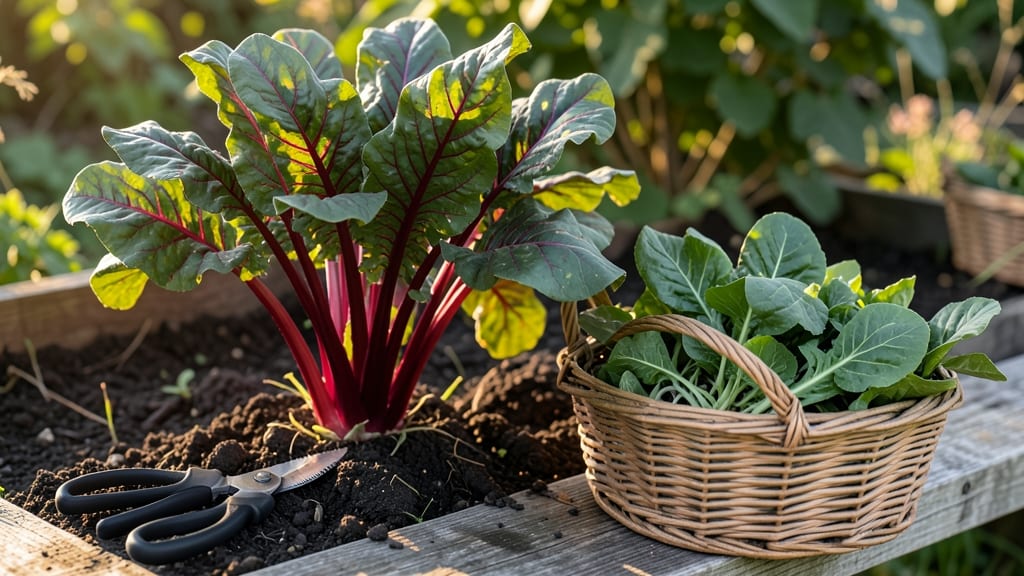
When is beet season—and why does it matter—since these earthy, sweet roots peak in spring and fall, though timing varies by your local climate.
Picture this: you’ve nurtured your beet patch for months, only to pull them too early and miss their peak sweetness—or worse, let them sit too long and turn tough. The right timing turns a good harvest into a great one, and knowing your USDA zone makes all the difference.
In cooler climates like Zone 6a, beets are ready to harvest from June to July after a spring planting, or again in October to November for a fall crop. Warmer zones can stretch the season even longer, while colder regions may need cold-hardy varieties to survive early frosts.
Below, I’ll break down the ideal harvest months by zone, plus pro tips for storing beets so they stay fresh for months—no guesswork, just delicious results.
Beet harvest season by USDA zone: month-by-month guide
Timing your beet harvest correctly ensures sweet, tender roots perfect for roasting or pickling. Beets thrive in cool seasons, but their ideal harvest window shifts dramatically across USDA Zones 1-11. In colder zones, you’ll harvest earlier, while warmer climates may enjoy two harvests per year.
Let’s break down the exact month-by-month windows for table beets, baby beets, and storage beets.
For cold-hardy varieties like Detroit Dark Red or Golden, you can push harvests into late fall or even winter in protected beds. Meanwhile, heat-tolerant varieties such as Merlot or Chioggia extend your harvest into summer in warmer zones.
Understanding these nuances helps you plan for a continuous supply of fresh beets from your garden.
Here’s a detailed comparison of beet harvest seasons by USDA zone, including adjustments for early and late harvests based on regional microclimates:
In Zones 1-4, where winters are harsh, focus on an early summer harvest (late July) for table beets, then extend storage beets into fall with heavy mulching. Baby beets can be harvested as early as mid-June, giving you a head start on fresh greens and tiny roots perfect for salads.
Gardeners in Zones 5-7 enjoy a longer harvest window, from early July to late September. This makes it ideal for succession planting: sow seeds every 2-3 weeks to ensure a continuous supply.
For example, plant a second batch in early August to harvest baby beets by late September before the first frost.
Warmer climates in Zones 8-10 allow for two distinct harvests: one in early summer (June) and another in fall (October). Here, heat-tolerant varieties like Merlot shine, resisting bolting and maintaining sweetness even as temperatures rise.
In these zones, you can also experiment with winter harvests by planting in late summer for a fall/winter crop.
Zone 11 gardeners have a unique advantage—they can grow beets year-round! Plant in fall for winter harvests (October-February) or spring for summer harvests. Use row covers or cold frames to protect tender varieties during mild winters. This zone is perfect for baby beets and quick-growing varieties like Baby Keeper.
Regional adjustments are key: in areas with late springs (e.g., Pacific Northwest), delay planting until after the last frost (typically late May). Conversely, in early-spring zones (e.g., Deep South), you can start sowing as early as February. Always monitor soil temperatures—beets germinate best in 50-70°F soil.
Pro tip: Mark your calendar for the first frost date in your zone. For storage beets, aim to harvest at least 2-3 weeks before the first frost.
Use straw mulch to insulate roots and extend harvests into colder months. This simple trick can add weeks to your beet season in cooler climates.
For baby beets, which are harvested at 1-2 inches in diameter, timing is even more precise. In Zones 1-7, focus on early summer harvests (June-July) to avoid woody roots. In warmer zones, you can harvest baby beets twice: once in spring and again in fall.
🌱
How to store freshly harvested beets for maximum freshness
Freshly harvested beets are a gardener’s treasure, but their sweetness fades quickly if stored improperly. To preserve their vibrant color and crisp texture for months, you’ll need the right techniques. Whether you’re storing them for winter meals or dehydrating for snacks, proper handling is key.
Beets thrive in cool, humid conditions—just like their ideal growing environment—but even your fridge has tricks to extend their shelf life.
First, clean your beets gently with a damp cloth to remove dirt, but avoid soaking them, as excess moisture speeds up spoilage. Trim the greens down to 1-inch stems—longer stems draw moisture from the roots.
For short-term storage, keep them in the crisper drawer of your refrigerator, where they’ll stay fresh for 3-4 weeks. For longer storage, root cellars or freezing are your best bets.
- Store in sandy soil or wooden crates with sawdust or shredded leaves.
- Keep temps at 32-40°F and 85-90% humidity.
- Check weekly for soft spots or mold.
- Peel and blanch for 2 minutes before freezing.
- Pack in airtight bags or freezer-safe containers.
- Label with harvest date for rotation.
- Slice thinly and dehydrate at 135°F for 6-8 hours.
- Store in glass jars with oxygen absorbers.
- Rehydrate in warm water before use.
- Wrap individually in paper towels to absorb moisture.
- Place in plastic bag with small holes for airflow.
- Avoid washing until ready to use.
Pro tip: If storing beets long-term, cure them first by leaving them in a cool, dark place for 24 hours to toughen their skins. This reduces moisture loss during storage. For freezing, blanch them first to preserve color and texture—skip this step, and they’ll turn mushy.
Dehydrated beets make a great snack, but slice them evenly for consistent drying.
Watch for shriveling or discoloration, which signal spoilage. Discard any beets that feel soft or smell off. With the right method, your harvest can last well into winter, giving you homegrown flavor all season long. Happy storing!