
Picking
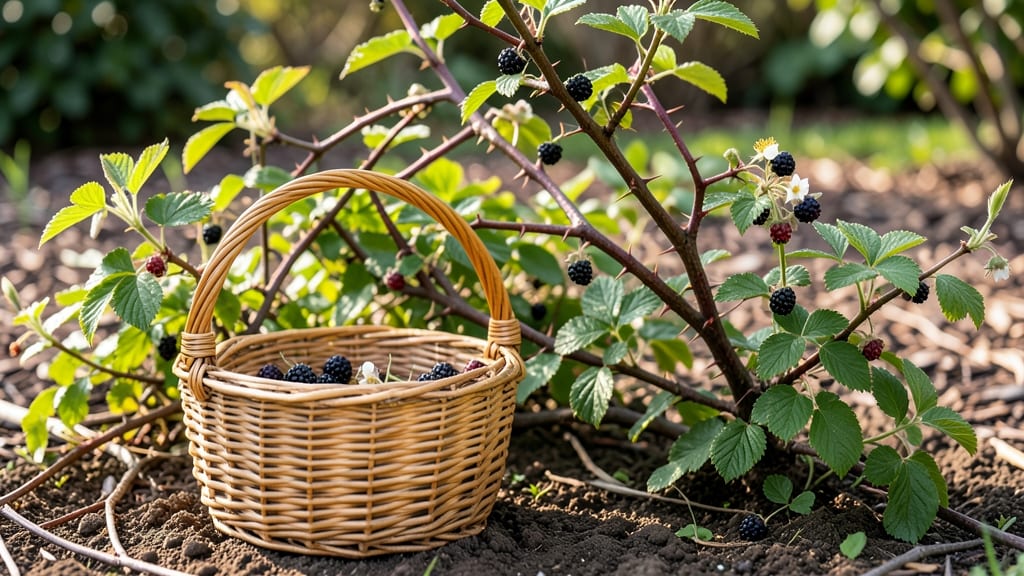
Blackberry picking season arrives when those deep purple berries 🫐 are plump, juicy, and ready to pluck—typically between June and August in most U.S. regions.
Timing your harvest perfectly means the difference between juicy, flavorful fruit and tart, underripe berries—here’s exactly when to pick by region.
In USDA Zone 6 (like much of the Midwest), early varieties ripen in late June, while late-season types stretch into early September. Meanwhile, Southern states like Georgia or Florida enjoy a longer window, starting as early as May.
Below, I’ll break down the best months for your area, how to spot ripe berries, and pro tips to avoid missing the harvest—no guesswork, just perfect timing.

Blackberry picking season by U.s. region: month-by-month guide
Timing your blackberry harvest is everything—picking too early means tart, underripe fruit, while waiting too long risks bird raids and mushy berries.
The best blackberry picking season varies dramatically across the U.S., with Northern states seeing harvests in late June through August, while Southern regions enjoy earlier windows starting in May. Coastal areas often have extended seasons thanks to milder climates.
Let’s break it down by region so you never miss peak flavor.
Blackberries thrive in USDA Zones 5-9, but their ripening windows shift based on frost dates and heat exposure. Early varieties like Chester and Triple Crown kick off the season, while late varieties like Ouachita extend harvests into September.
Knowing your local frost-free days is key—most blackberries need 120-180 days from bloom to harvest. Below, I’ll map out the exact months for each region, plus tips for stretching your season.
| Region | Early Varieties | Peak Season | Late Varieties | Key Notes |
|---|---|---|---|---|
| Northern (Zones 5-6) | Chester, Triple Crown | Late June - Early August | Ouachita, Natchez | Short season; frost risk after August |
| Mid-Atlantic (Zones 7-8) | Arapaw | June - Mid-September | Prime-Ark Freedom | Extended season; heat-tolerant |
| Southern (Zones 8-9) | Apache | May - July | Chester (late) | Early starts; may need shade in summer |
| Pacific Northwest (Zones 7-8) | Natchez | July - Early September | Prime-Ark Freedom | Cooler climate; berries ripen slower |
| Coastal (Zones 9-10) | Chester | April - October | Apache | Longest season; may need winter protection |
In the Northern U.S. (think Minnesota, Michigan, or Maine), blackberries typically ripen between late June and early August. This tight window means acting fast—Chester and Triple Crown varieties are your best bets for early harvests, while Ouachita can extend your season into September if frost doesn’t strike.
I’ve picked berries in upstate New York as late as mid-August, but bird activity spikes as the fruit softens, so check daily.
For Mid-Atlantic states like Virginia, Maryland, or Pennsylvania, the season stretches from June through September. The Arapaw variety is a local favorite, thriving in the region’s humid summers. Here, heat tolerance is critical—mulching heavily in July can prevent sunburn on the canes.
I once harvested Prime-Ark Freedom berries in late September in Delaware, proving how a single variety can extend your season by weeks.
Down South in Texas, Florida, or Georgia, blackberries start ripening as early as May, with some varieties like Apache producing fruit year-round in Zone 9+. Coastal areas like South Carolina’s Grand Strand often see harvests from April to October.
The trade-off? Humidity and pests can be brutal—spraying neem oil before flowering helps deter fruit flies. I’ve picked Chester berries in North Florida in December with proper winter care!
If you’re in the Pacific Northwest, expect a July-to-September window, with Natchez leading the charge. The cooler climate slows ripening, but it also means fewer bird issues compared to warmer regions.
For extended harvests, plant a mix of early, mid, and late varieties—this staggered approach is how I’ve kept fresh berries on my table from July to October in Oregon. Just be prepared for morning dew making picking a wet job!
Coastal regions like California, Hawaii, or the Gulf Coast offer the longest seasons, with some Apache and Chester varieties producing fruit year-round. In Southern California, I’ve picked berries in March and November
How to tell when blackberries are ripe (and avoid common mistakes)
Picking blackberries at the perfect moment transforms your harvest from tart and seedy to sweet and bursting with flavor. But how do you know when they're truly ripe?
Many gardeners make the mistake of picking too early or too late, so let's break down the visual and tactile cues that guarantee perfect ripeness.
First, focus on color changes—ripe blackberries should be a deep, glossy black or purple, depending on the variety. Some varieties like Triple Crown stay deep purple, while others like Chester turn nearly black.
Avoid picking berries that are still red or partially colored, as they won't have developed their full sweetness.
⚠️ Blackberry Picking Season Pitfalls
Timing is everything: Northern U.S. regions peak in late June to August, while Southern regions extend into September. Picking too early means underripe, mealy berries, while waiting too long risks bird damage or rot. Check your local last frost date—blackberries need 120+ frost-free days to ripen properly.
Next, test for firmness and texture. A perfectly ripe blackberry will feel slightly soft when gently squeezed—like a plump grape. If it's rock-hard, it needs more time on the vine.
Conversely, if it's mushy or leaking juice, it's overripe and past its prime. Pro tip: Taste test one berry from a cluster to confirm sweetness before committing to a full harvest.
Don't overlook the detachment test, a foolproof method for ripeness. Gently tug a berry—if it comes off easily without pulling the whole cluster, it's ready. If it resists or snaps the stem, it's not ripe yet.
This test works especially well for floral cane varieties, which tend to ripen unevenly. For everbearing varieties, check berries every 2-3 days since they ripen in waves.
Watch for leaf and vine signals too. As blackberries near ripeness, the leaves may yellow slightly or develop brown edges, indicating the plant is redirecting energy to fruit production. However, wilted or drooping leaves signal stress—likely from underwatering or disease—and should prompt you to adjust care before picking.
Finally, time your harvest early in the morning when berries are coolest and firmest. Avoid picking after rain or late in the day, as humidity and heat can cause berries to soften too quickly or develop mold.
Store freshly picked blackberries in the fridge for up to 3 days or freeze them immediately to preserve peak flavor.
With these cues in mind, you'll never miss the sweet spot of blackberry ripeness again—just imagine the perfect jam or fresh snack waiting for you! 🍇