
Shrubs
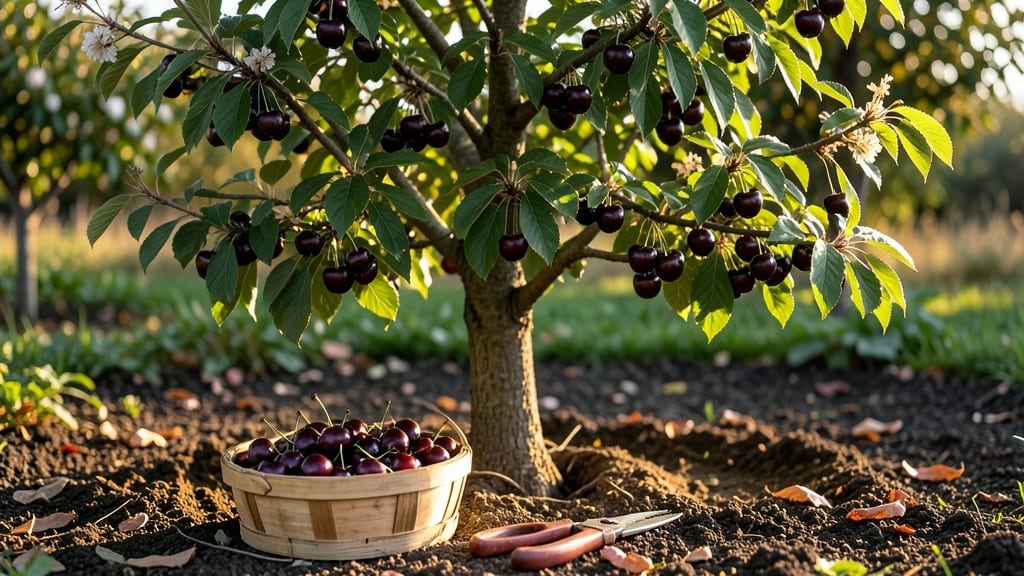
Florida's cherry season runs from late February through May, with regional variations—northern orchards like Lake Placid harvest Bing cherries earliest, while southern varieties such as Star Ruby ripen into summer. Weather plays a huge role, so always confirm harvest dates with local farms.
Florida’s unique climate creates a staggered cherry harvest unlike any other state. 🌿 The warm winters in North Florida kick off the season as early as late February, while Central Florida orchards follow in March.
What makes this especially interesting is how tropical varieties like Star Ruby thrive in South Florida’s heat, often extending the season through June.
I’ve found that the best time to visit orchards depends entirely on which cherries you love—sweet Bing varieties peak in April, while tart Rainier cherries follow closely behind.
Pro tip: Check orchard websites for real-time updates—Florida’s unpredictable spring weather can shift harvest windows by weeks. Many farms offer pick-your-own opportunities during peak season, making it a perfect family outing when the cherries are at their juiciest.
💡 In This Article
- Florida’s Cherry Harvest Seasons by Region and Variety
- Best Florida Orchards for Cherry Picking and Seasonal Tips
Florida’s cherry harvest seasons by region and variety
Florida’s cherry season unfolds like a natural progression, driven by the state’s three distinct climate zones. Northern Florida—think Lake Placid and High Springs—enjoys cooler winters that allow sweet cherries like Bing and Rainier to ripen earliest, often as early as late February.
These regions experience average winter lows of 40-50°F, which triggers the dormancy-breaking process in cherry trees. Meanwhile, Central Florida orchards near Apopka see harvests shift to March and April, where slightly warmer winters (50-55°F) delay ripening by about 2-3 weeks.
The magic happens through a process called chilling hours—cherry trees need 200-400 hours below 45°F annually to set fruit properly. Florida’s mild winters provide just enough chill, but not too much, creating that perfect balance for consistent harvests.
Tropical varieties like Star Ruby thrive in South Florida’s heat, where winter lows rarely drop below 55°F. These cherries ripen later, often extending the season into June, because they require fewer chilling hours (100-200 hours) and respond better to Florida’s humid subtropical climate.
Humidity plays a crucial role too—too much rainfall during bloom can lead to fungal diseases like brown rot, while just the right amount of moisture ensures juicy, flavorful fruit.
I’ve noticed that April showers often coincide with peak Bing cherry harvests in North Florida, creating the perfect conditions for that signature sweet-tart balance.
The key difference between sweet and tart cherries lies in their sugar-to-acid ratios: Bing cherries develop 18-20% sugar content at peak ripeness, while Rainier cherries (a tart variety) reach 12-14% sugar with higher acidity, making them perfect for cooking or preserves.
Weather variability is the wild card—Florida’s unpredictable spring storms can shift harvest windows dramatically. For example, the 2023 early freeze in North Florida delayed Bing cherry harvests by nearly 3 weeks, while South Florida’s Star Ruby crops thrived due to warmer temperatures.
This is why local orchards rely on weekly temperature monitoring and adjust expected harvest dates accordingly. The result? A 6-8 week window of peak cherry availability across the state, with each region offering its own unique flavor profile.
Here’s how the timing breaks down by variety:
- Bing Cherries: Late February–early April (North Florida peak)
- Rainier Cherries: March–mid-April (Central Florida peak)
- Star Ruby Cherries: May–June (South Florida extension)
What most people don’t realize is how altitude affects ripening. Higher elevations in North Florida (like the 500-foot elevation in Lake Placid) create slightly cooler microclimates that accelerate ripening compared to flatter Central Florida regions.
This elevation advantage gives Northern orchards a 2-3 week head start on their Central Florida counterparts—making timing everything for cherry lovers! 🌿