
Orchid Care
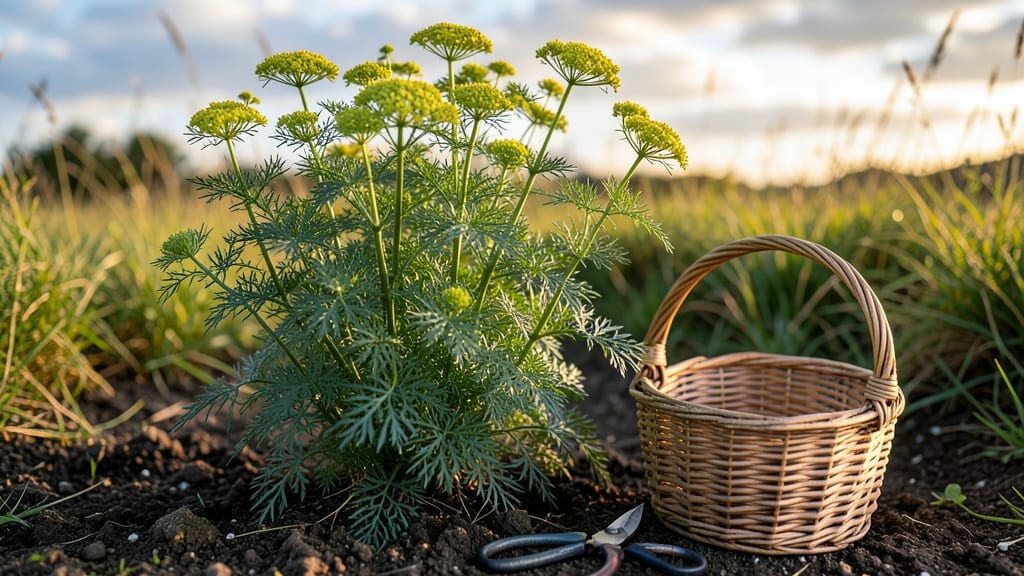
Dill is in season from July through September 🌿, when its leaves are most fragrant and tender for soups, pickles, and fresh garnishes.
But here’s the catch: timing varies wildly depending on your climate and the specific variety you’re growing. In warmer Southern regions, you might start harvesting as early as June, while Northern gardeners may not see peak flavor until August.
This guide breaks down the best months to plant and harvest dill in your zone, plus how to spot fresh dill at the store or in your garden—and when to cut it before it bolts into bitterness.
You’ll also discover how to extend your dill season with simple tricks, like preserving harvests or growing it in containers for late-season flavor.
Dill season by U.s. growing Zones: month-by-month harvest guide
Dill thrives in summer's warmth but its peak season shifts dramatically across the U.S. From Zone 3's short cool summers to Zone 10's extended growing periods, timing your harvests properly prevents bitter flavors and wasted plants.
I've grown dill in both Zone 5 and Zone 8, and the difference in seasonal windows is staggering—especially when it comes to avoiding early bolting.
In Northern climates (Zones 3-6), dill's main harvest window typically runs from late June to early September, while Southern growers (Zones 7-10) can enjoy fresh dill from May through October.
The key difference? Heat tolerance and frost timing. Even within these zones, microclimates create exceptions—like my neighbor in Zone 7 Atlanta who harvests dill year-round thanks to her urban heat island effect.
| Zone | Planting Window | Peak Harvest | Last Harvest | Notes |
|---|---|---|---|---|
| 3-4 | Mid-May to June 1 | Late June to Aug 15 | Early Sept | Short season; use cold frames |
| 5-6 | Late April to May 15 | June 15 to Sept 1 | Mid-Sept | Early varieties recommended |
| 7-8 | Early March to April 30 | May 1 to Oct 1 | Early Nov | Successive plantings extend season |
| 9-10 | Jan to March | March 15 to Nov 15 | Late Dec | Year-round potential with shade |
For Zones 3-4, I recommend planting Bouquet dill—it matures in just 50 days and handles cooler soils better than most varieties. The trade-off? You'll need to start seeds indoors 6-8 weeks before last frost to get any harvest before summer ends.
In Zone 5, where I garden, I've found that planting two batches—one in early May and another in late June—gives me fresh dill from July through September.
Southern gardeners in Zones 7-10 have the advantage of longer growing seasons, but heat can cause dill to bolt prematurely. To prevent this, I always plant Fernleaf dill in partial shade during peak summer months.
In Zone 8 Florida, some gardeners even grow dill as a winter crop, planting in October for harvests from December to March.
Bolting is the biggest threat to dill's season, especially in Zones 5-8 where summer heat triggers flowering. To delay bolting, I harvest leaves aggressively when plants reach 6-12 inches tall, cutting just above a leaf node.
This encourages bushier growth and extends the harvest window by 3-4 weeks. In Zone 9, I've seen dill bolt in as little as 45 days if stressed by heat or drought.
Container growing is my secret weapon for Northern climates. By planting dill in 5-gallon pots and moving them to sunny patios by late May, I've extended harvests into October in Zone 5.
The key is using lightweight potting mix and watering deeply every 2-3 days during summer heat. This method also works well for apartment balconies in urban areas where space is limited.
If you're in Zone 10, you can treat dill as a perennial in mild winters. I've had dill regrow from the same roots for 3 consecutive years in San Diego, though the flavor becomes milder after the first year. For maximum flavor, I always plant
Best dill varieties for extended seasonal harvests (and when to plant them)
Choosing the right dill variety can extend your harvest season from early summer to late fall. Some varieties bolt faster, while others produce flavorful leaves for months. My favorite for long harvests is Bouquet dill, which stays tender longer than standard types.
The key is matching your climate zone with the right variety's growth cycle.
For extended harvests, plant Fernleaf dill in early spring and Mammoth dill in late summer. Dukat dill, a hybrid, resists bolting better in heat. Each variety has a unique flavor intensity and seasonal suitability, so let's compare them to maximize your fresh dill supply.
| Variety | Growth Cycle | Flavor Intensity | Best Planting Time | Harvest Window |
|---|---|---|---|---|
| Bouquet | 60-70 days | Mild, sweet | Early spring & late summer | June-September |
| Fernleaf | 50-60 days | Bold, anise-like | Mid-spring | May-August |
| Mammoth | 70-80 days | Strong, classic | Late summer | August-October |
| Dukat | 60-75 days | Balanced, fresh | Early spring & fall | May-September |
To maximize your seasonal harvests, start with Fernleaf dill in early spring for a May-August supply. Then, plant Bouquet dill in late summer to extend your harvest into September. For heat-resistant varieties, Dukat dill thrives in warmer climates and bolts later than traditional types.
For extended seasonal availability, try a staggered planting approach. Sow Mammoth dill in late summer for a late-season harvest, while Fernleaf handles cooler spring temperatures better. This strategy ensures you have fresh dill from May through October in most regions.
Don't forget to harvest regularly to encourage bushier growth. Pinch back flowering stems to keep the plant producing tender leaves longer. With the right varieties and planting schedule, you can enjoy homegrown dill for nearly half the year!
🌱