
Vegetables
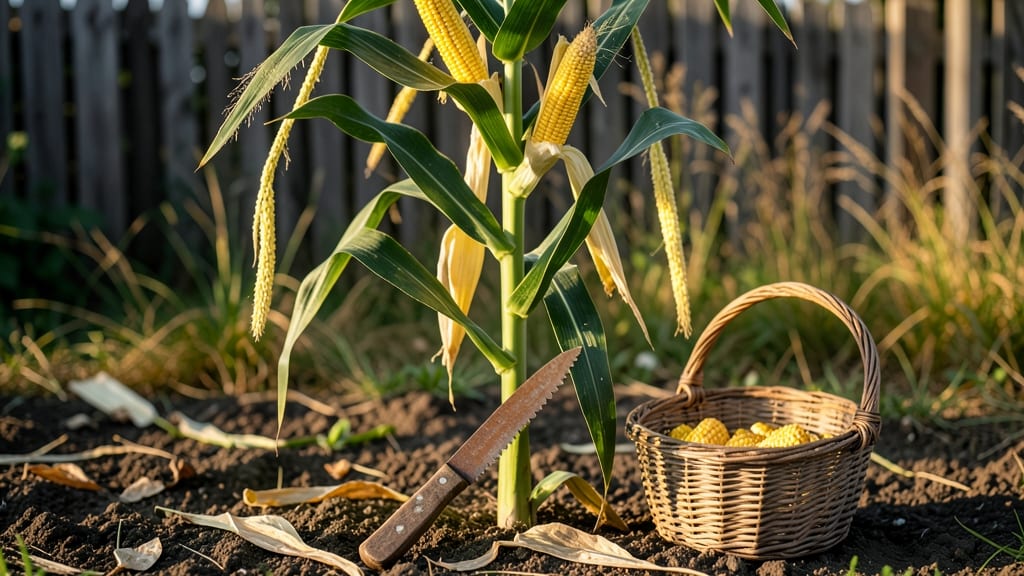
Corn harvest season runs from late summer to early fall 🌽, but timing it perfectly is the secret to sweet, tender kernels that taste like summer itself.
Picture this: you’ve nurtured your corn for months, only to pull an ear that’s tough as a boot or so starchy it might as well be flour. Knowing the exact harvest season for corn isn’t just about timing—it’s about maximizing sweetness, yield, and avoiding wasted effort.
In Zone 6, where most home gardeners grow corn, the harvest window typically opens in August and stretches into October, but the real magic happens when you use the right ripeness tests. A simple milk-line check or silk color shift can save you from bitter disappointment.
Below, I’ll break down the best months to harvest by your planting zone, the foolproof ripeness tricks that actually work, and how to store corn so it stays fresh long after the season ends.

When to harvest corn by US planting zones: exact months & days after planting
Timing your corn harvest correctly ensures you enjoy that perfect sweet, juicy flavor instead of tough, starchy cobs. The harvest window varies dramatically across USDA zones 3-11, with early plantings in cooler zones and late-season varieties in warmer climates.
Even a few days off can mean the difference between garden-fresh perfection and disappointing results.
Most corn varieties take between 60-120 days to reach harvest, but this timeline shifts based on your zone and planting date. For example, early sweet corn in Zone 3 might be ready by mid-August, while late-season varieties in Zone 11 could stretch into November.
Understanding these variations helps you plan for continuous harvests throughout the season.
Here’s what you need to know: Days to maturity are counted from planting, not germination. Early planting in cooler zones means you’ll harvest earlier in the season, while late plantings in hotter zones push harvests toward fall.
Always check your seed packet for specific variety maturity days, as some hybrids are bred for shorter or longer seasons.
For instance, ‘Silver Queen’ (70-75 days) will be ready much earlier than ‘Peaches and Cream’ (90-100 days). Adjusting your planting schedule based on your zone ensures you don’t miss the harvest window entirely due to frost or overripe cobs.
Now, let’s break down the exact harvest windows by zone, including popular varieties and how to adjust for early or late plantings.
| USDA Zone | Typical Harvest Window | Popular Varieties | Days to Maturity | Adjustment Tips |
|---|---|---|---|---|
| 3-4 | Late July - Early September | ‘Early Sunglow’, ‘Ambrosia’ | 60-75 days | Plant early (May) for frost-free harvest |
| 5-6 | Mid-August - Mid-October | ‘Silver Queen’, ‘Peaches and Cream’ | 70-90 days | Successive plantings every 2 weeks |
| 7-8 | Late August - Late October | ‘Bodacious’, ‘Sweet Golden Bantam’ | 75-100 days | Avoid late plantings past July |
| 9-10 | September - November | ‘Golden Bantam’, ‘Country Gentleman’ | 80-110 days | Use heat-tolerant varieties |
| 11 | October - December | ‘Sugar Buns’, ‘Honey & Pearl’ | 90-120 days | Plant in fall for winter harvest |
If you’re in Zone 3 or 4, focus on short-season varieties planted as early as possible after the last frost. In Zones 5-8, you can experiment with successive plantings every 2 weeks to stretch your harvest.
For Zones 9-11, prioritize heat-tolerant varieties and consider fall plantings to avoid extreme summer heat.
Pro tip: Keep a harvest journal to track when your corn reaches peak ripeness each year. Note the first frost dates in your area and adjust planting times accordingly.
For example, if frost typically hits by October 15 in your zone, avoid planting varieties that take longer than 90 days to mature.
Another critical factor is soil temperature. Corn germinates best when soil reaches 60°F (15°C) or warmer. Planting too early in cold soil can delay maturity, pushing your harvest into frost season. Use a soil thermometer to monitor conditions before planting.
For gardeners in warmer zones (9-11), late summer heat can stress corn plants, slowing growth. In these areas, opt for drought-tolerant varieties and provide consistent watering during dry spells. Mulching with straw helps retain moisture and keeps roots cool.
Finally, don’t forget to harvest regularly once your corn reaches maturity. Most varieties produce multiple ears per plant, but overripe cobs can reduce quality and yield. Aim to harvest every 2-3 days during peak season to keep your plants productive.
5 Proven ripeness tests for corn: how to pick perfectly sweet cobs every time
Harvesting corn at its peak sweetness requires more than just guessing by calendar dates. The harvest season for corn varies by variety and climate, but these 5 ripeness tests will give you precise results every time.
I’ve used these methods in my own garden to avoid starchy cobs and maximize flavor—here’s how to master them.
Timing is everything with corn because sugars convert to starch quickly after reaching full maturity. A 2-day window between perfect ripeness and overripe can mean the difference between buttery kernels and tough, dry ones. Start checking your plants 20-25 days before your variety’s expected maturity date for the best results.
Check when silks turn brown and crispy. Green silks mean 2-5 more days to wait.
Press a kernel with your fingernail. It should dent slightly but not crush completely.
Cut a kernel open—look for creamy white liquid. Clear liquid means overripe; translucent means underripe.
Gently pull back the top husk layer. It should slide easily—resistance means more time needed.
Pick ears that feel heavy for their size—light ears are underdeveloped.
I’ve made the mistake of harvesting corn too early because the silks looked dry, only to find kernels that were still hard and starchy. The milk test is my favorite because it’s the most foolproof—no guesswork involved.
For sweet corn varieties like 'Silver Queen' or 'Peaches and Cream', this test is especially critical since their sugars break down faster.
Common mistakes include waiting too long after silks turn brown (overripe) or harvesting based solely on ear size (which can be misleading). Always combine at least 3 tests for accuracy. For example, check the silk color first, then verify with the kernel dent test before making your final decision.
Pro tip: Harvest on a cool morning after dew has dried but before the heat of the day. This preserves sweetness and makes the kernels firmer. Store harvested corn in the fridge for up to 5-7 days or blanch and freeze for long-term storage to maintain that fresh-picked flavor.