
Orchid Care
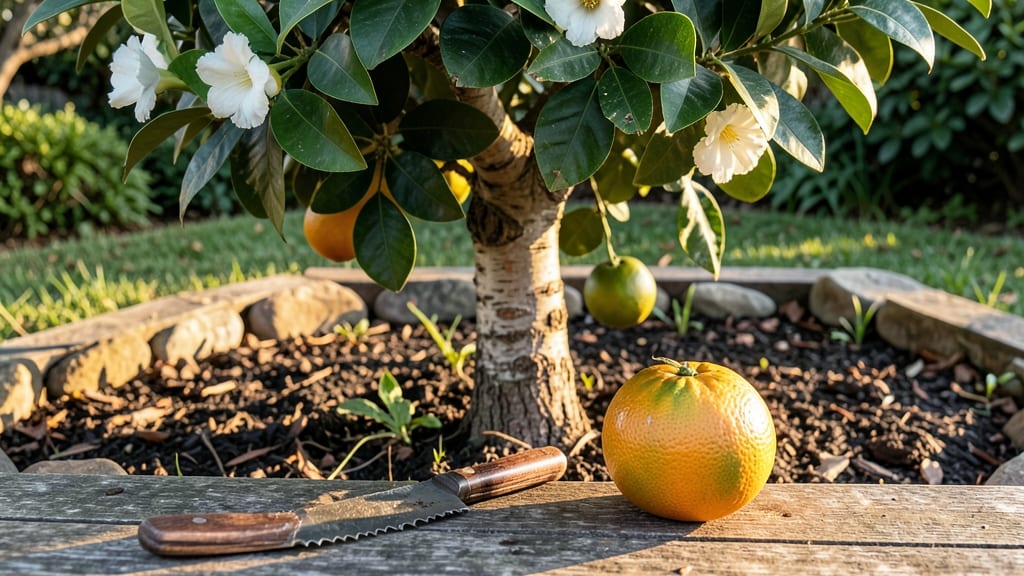
Grapefruit season runs from late fall through spring, with Ruby Red varieties typically ripening first in November and White grapefruits often lasting until May. Florida's harvest kicks off in October, while California extends production into June for specialty types like Oroblanco.
Timing matters for grapefruit lovers because the fruit's sweetness and juiciness peak during these months—especially when grown in ideal climates. 🌱 Florida's warm winters create early harvests, while California's Mediterranean climate allows for later-season varieties.
Ruby Reds often ripen first due to their thinner skins and higher sugar content, making them perfect for holiday menus, while White grapefruits develop later with their signature tart-sweet balance.
What's interesting is how regional growing conditions affect flavor profiles. Florida's grapefruits tend to be seedless and sweeter due to controlled pollination, while California's can have more complex citrus notes from cooler nights.
If you're planning to use grapefruit for cooking or juicing, aim for peak season—you'll notice the difference in both taste and texture.
💡 In This Article
- Grapefruit Variety Harvest Timelines: Ruby Red vs White vs Oroblanco
- Best Months to Buy Fresh Grapefruit by U.S. Growing Region
Grapefruit variety harvest timelines: ruby red vs White vs oroblanco
The harvest window for grapefruit varieties is primarily dictated by their genetic makeup and how they respond to temperature fluctuations. Ruby Red grapefruits, with their vibrant pink-red flesh, typically ripen first because their thinner skins and higher sugar content make them more responsive to warm fall temperatures.
These varieties often reach peak ripeness in November and December, making them ideal for holiday dishes like salads or desserts. 🔥 The reason? Their accelerated ripening is tied to the plant's natural response to shortening daylight hours—a process called photoperiodism.
White grapefruits, known for their pale yellow flesh and tart-sweet flavor, develop later due to their thicker skins and lower sugar content. They usually peak in January through March, with some varieties lingering into April.
The difference in timing comes down to their cellular structure—White grapefruits require more time to accumulate the right balance of acids and sugars.
In Florida, where grapefruit is a major crop, a cold snap in late fall can actually speed up ripening by triggering stress hormones in the trees, which concentrate sugars in the fruit.
Oroblanco grapefruits, a hybrid variety, are the late bloomers of the bunch. Their extended season—from March to June—is due to their ability to thrive in California's Mediterranean climate, where cooler nights slow down ripening.
This variety's thick, yellow skin and seedless nature make it a favorite for fresh eating, but its delayed harvest means it's rarely available in stores before late winter. The key factor here is temperature regulation: California's coastal fog and inland heat create a perfect balance for gradual maturation.
What most people don't realize is how seedless varieties fit into this timeline. Florida's commercial growers use controlled pollination techniques to produce seedless Ruby Reds and Whites, which often ripen slightly earlier than their seeded counterparts.
This is why you'll find seedless grapefruits in stores as early as October in Florida—the pollination process is carefully timed to align with the natural ripening window. In contrast, California's Oroblancos are typically seedless by nature, but their later harvest means they're less common in early-season markets.
Consider these key factors when planning your grapefruit use:
- Ruby Reds: Best for holiday cooking (Nov-Dec)—their sweetness shines in glazes and desserts
- White grapefruits: Peak in Jan-Mar for juicing or fresh eating when tartness balances sweetness
- Oroblanco: Late-season (Mar-Jun) favorite for fresh salads due to mild, honey-like flavor
The science behind these timelines involves a complex interplay of plant hormones and environmental cues. Ethylene gas, for instance, plays a crucial role in fruit ripening—when temperatures drop, grapefruit trees produce more ethylene, which triggers the breakdown of chlorophyll (green color) and the development of sugars.
This is why Florida's early harvests often have more vibrant colors and sweeter flavors compared to later-season fruits from California. 💫