
Fertilization
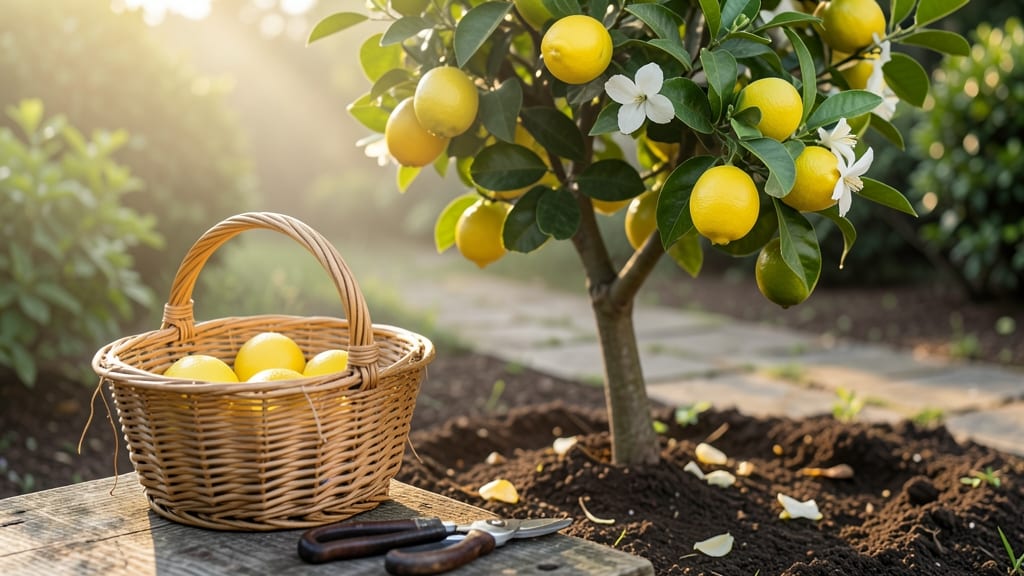
Lemon season in California runs from late fall through early spring, with the Central Coast (San Joaquin Valley) producing lemons between October and May, while coastal areas like Ventura and Santa Barbara extend harvests into June. The most popular varieties, Eureka and Lisbon, reach their peak during this window, delivering the juiciest, most flavorful fruit.
California's lemon harvest follows a predictable seasonal rhythm shaped by the state's diverse microclimates.
The Central Valley's warmer winters allow for earlier harvests, while coastal regions benefit from milder temperatures that delay frost and extend the season. 🍋 Varieties like Eureka—known for their thick skins and high acidity—typically peak in late winter, while Lisbon lemons, with their sweeter profile, often reach maturity slightly later.
This timing ensures consistent supply for everything from fresh juice to commercial processing, though late-season heat can sometimes reduce quality.
For home gardeners and buyers, timing your purchases matters—peak season means better flavor and lower prices. I always recommend visiting local farms between December and March for the freshest fruit, especially if you're planning to make preserves or lemonade.
If you're storing lemons long-term, curing them in a cool, dark place or freezing them whole preserves their potency for months.
💡 In This Article
- California Lemon Harvest Timeline by Variety and Climate
- How to Time Your Lemon Purchases for Best Flavor and Pricing
California lemon harvest timeline by variety and climate
California's lemon season unfolds like a well-choreographed dance between geography and biology. The state's Mediterranean climate creates distinct growing zones where temperature, rainfall, and frost risk dictate harvest windows.
The Central Valley—home to 80% of U.S. lemon production—experiences warmer winters, allowing trees to bear fruit earlier, typically from October through May.
Coastal regions like Ventura and Santa Barbara, with their milder winters, extend harvests into June thanks to delayed frost and consistent ocean breezes that prevent heat stress.
Variety plays a starring role in this seasonal performance. Eureka lemons, the most widely grown commercial variety, peak in late winter (February-March) when their thick skins and high acidity make them ideal for processing into juice or zest.
These trees thrive in the Valley's 70-80°F daytime temperatures during harvest, while coastal areas see slightly cooler 65-75°F ranges that preserve their bright flavor. Lisbon lemons, with their sweeter, thinner-skinned profile, mature slightly later (March-April) and are often hand-picked for fresh markets.
The science behind these timelines involves citrus trees' response to daylight and temperature shifts. As days shorten in fall, lemon trees shift from vegetative growth to flowering, with fruit setting in winter.
The trees require chilling hours (300-500 hours below 45°F) to properly develop fruit, which explains why coastal regions with milder winters can extend harvests.
However, late-season heat (above 90°F) becomes problematic, causing fruit to drop prematurely or develop bitter flavors—a challenge growers combat with shade cloth and irrigation management.
Microclimates create fascinating local variations. For example, the Santa Paula region (nicknamed "Lemon Capital of the World") often harvests 2-3 weeks earlier than nearby Ventura due to its inland location and warmer microclimate.
This geographic nuance means even within the same county, you might find lemons at different stages of ripeness. The result? A 6-month harvest window that ensures consistent supply for everything from fresh juice to commercial lemonade production.
What most people don't realize is how irrigation methods affect timing. Drip irrigation systems, common in California's lemon groves, deliver water precisely to roots while minimizing evaporation.
This technique allows growers to maintain optimal soil moisture (30-40% field capacity) even during dry spells, preventing stress that could delay harvest. The combination of these agricultural practices with natural climate patterns creates the predictable yet nuanced seasonal rhythm that defines California's lemon industry.
For home gardeners, understanding these regional differences helps explain why lemons from different areas might taste subtly different. Valley-grown lemons often have more intense acidity due to higher daytime temperatures during ripening, while coastal lemons develop a slightly sweeter profile.
This variation is why specialty markets can offer unique flavor experiences even within the same season.