
Fertilization
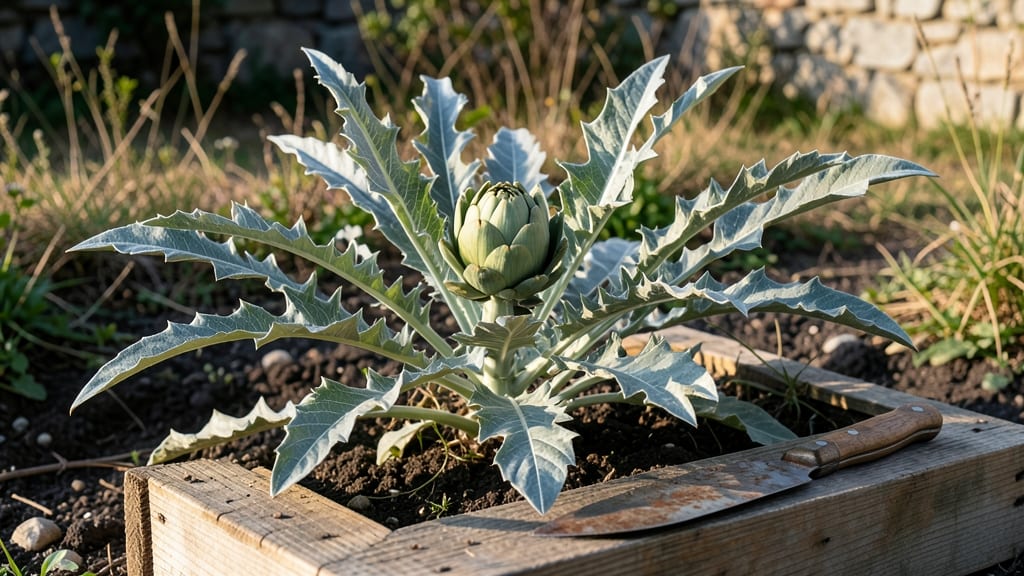
California’s artichoke season delivers the globe’s most tender, flavorful harvests 🌱 — and timing matters more than you think.
Picture this: you’re at the farmer’s market in April, eyeing a basket of artichokes that look like they just stepped off a vine. But if you miss the 3-month window when California’s microclimates peak, you’re stuck with tough, fibrous ones shipped from Mexico.
That’s why knowing your region’s exact harvest months is the key to enjoying the real deal.
Coastal areas like the Central Coast and Salinas Valley hit their prime between April and June, while inland valleys like the San Joaquin Valley start earlier, around March.
These differences aren’t just about dates—they’re about flavor, texture, and whether your artichoke is still fighting frost or basking in perfect sun.
Below, I’ll break down the exact months by region, share how to spot peak-quality artichokes at the market, and even reveal a few tricks for stretching your season beyond the harvest window. No more guessing—just perfectly timed artichokes every time.
California artichoke season by region: month-by-month harvest peaks
California produces over 95% of the globe’s artichokes, and the Central Coast alone accounts for 80% of U.S. production.
But timing your harvest depends entirely on where you’re sourcing from—each region has its own microclimate that shifts peak season by weeks. Globe artichokes (the classic variety) and French green artichokes (thinner, more tender) follow distinct schedules, influenced by temperature and rainfall patterns.
Coastal regions like Salinas Valley enjoy milder winters, extending the season later into spring, while inland areas such as the San Joaquin Valley experience earlier harvests due to warmer daytime temperatures. Frost risk in inland valleys can also truncate the season if temperatures dip below 28°F, a critical threshold for artichoke buds.
Key factors affecting timing include:
- Coastal fog (delays bud maturation)
- Inland heat spikes (accelerates growth)
- Rainfall patterns (excess moisture can cause rot)
Understanding these variables helps you plan purchases or home gardens for peak flavor and yield.
| Region | Variety | Harvest Start | Harvest Peak | Harvest End | Climate Notes |
|---|---|---|---|---|---|
| Central Coast (Salinas, Castroville) | Globe | Mid-March | April–May | Early June | Cooler nights, coastal fog |
| Central Coast (Salinas, Castroville) | French Green | Late February | March–April | Mid-May | Early maturity, tender buds |
| San Joaquin Valley (Fresno, Tulare) | Globe | Early March | March–April | Late May | Warmer days, frost risk |
| San Joaquin Valley (Fresno, Tulare) | French Green | Late February | February–March | Early May | Short season, quick harvest |
| Sacramento Valley (Yuba City, Woodland) | Globe | Late February | March–April | Mid-May | Cooler mornings, warmer afternoons |
| Sacramento Valley (Yuba City, Woodland) | French Green | Mid-February | February–March | Late April | Earliest in state |
The Central Coast, particularly Castroville (the "Artichoke Center of the Universe"), dominates harvests with its extended season. Here, French green artichokes peak in March–April, while globe varieties stretch until early June. The cooler coastal climate slows bud development, ensuring tender, flavorful artichokes well into spring.
In contrast, the San Joaquin Valley experiences an earlier but shorter season due to warmer daytime temperatures. Globe artichokes here peak in March–April, while French greens are harvested as early as late February. Frost risk in January can damage buds, cutting the season short if temperatures drop below 28°F.
For home gardeners, the Sacramento Valley offers the earliest harvests, with French greens ready by mid-February. This region’s mixed climate—cool mornings and warm afternoons—creates ideal conditions for quick maturation. If you’re planting, aim for October–November sowing to align with these regional peaks.
Pro tip: Coastal artichokes (especially from Salinas) are sweeter and more tender due to slower growth, while inland varieties may develop slightly tougher textures but are often larger and more abundant. For the best flavor, harvest French greens when buds are golf-ball sized and globe artichokes when
How to time your artichoke purchase for maximum freshness and flavor
Timing your artichoke purchases to match California’s peak harvest windows ensures you get the tenderest, most flavorful buds.
The Central Coast and Salinas Valley lead the way, with harvests running from March to June, while inland valleys like the San Joaquin Valley peak slightly earlier, from February to May.
Knowing these windows helps you plan trips to farmer’s markets or schedule grocery store visits for the freshest picks.
For the best experience, aim to buy artichokes within 2-3 weeks of harvest. This means timing your purchases to align with regional peak months—typically March through May for most of California.
Grocery stores often stock artichokes year-round, but locally sourced produce from these months will have superior texture and flavor, with tight buds and vibrant green hues.
🌱 California Artichoke Harvest Peaks by Region
| Region | Peak Harvest Months | Best Purchase Window |
|---|---|---|
| Central Coast (Salinas Valley) | March - June | April - May (peak freshness) |
| San Joaquin Valley | February - May | March - April (earliest harvest) |
| Sacramento Valley | April - June | May (late-season peak) |
💡 Pro Tip: Visit local farmer’s markets in these months for farm-fresh artichokes with tight buds and heavy weight.
When shopping at groceries stores, prioritize artichokes with tight, compact buds that resemble a green golf ball. Avoid buds that are loose or fluffy, as these are past their prime.
A heavy weight for their size is another clue—they should feel solid and dense, not lightweight or hollow. The outer bracts should be closed tightly and vibrant green, not brown or wilted.
For the ultimate flavor, consider ordering directly from California farms during peak season. Many farms offer seasonal subscriptions or harvest updates via email, so you can plan your purchases around their freshest batches.
Websites like LocalHarvest.org or FarmersMarketOnline.com make it easy to find farms in your area that specialize in artichokes. Direct-from-farm purchases often come with shorter transit times, preserving freshness and flavor.
If you’re visiting farmer’s markets, arrive early in the morning for the freshest selection. Vendors often receive their daily deliveries before the market opens, so you’ll have the best chance of finding peak-quality artichokes.
Ask vendors about their harvest dates—the closer to harvest, the better. Look for local varieties like ‘Green Globe’ or ‘Imperial Star’, which are staples in California’s artichoke fields and prized for their tender texture.
Store your artichokes properly to extend their freshness. Keep them unwashed and refrigerated in a paper bag in the crisper drawer for up to 5-7 days. If you can’t use them immediately, consider freezing or fermenting them to enjoy their flavor year-round.
But for the best experience, aim to eat them within 2-3 days of purchase when they’re at their peak freshness and flavor. 🌿