
Vegetables
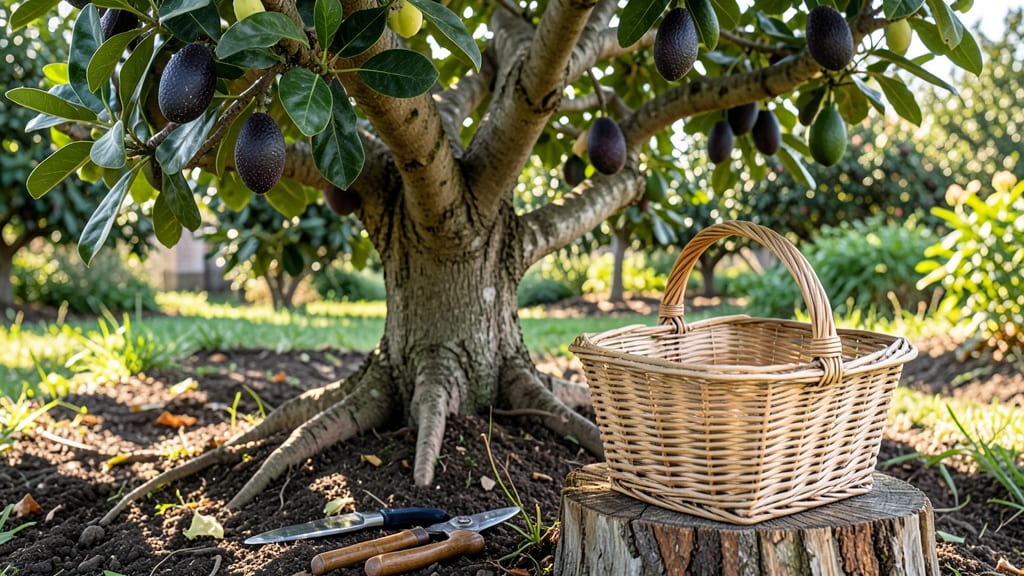
If you’re wondering when are avocados in season in California, the answer is late spring through early fall—a window that shifts by hundreds of miles between coastal fog belts and inland heat zones. 🥑
Picture this: a San Diego farmer picking Hass avocados in May, while a Central Coast grower waits until July for the same variety to ripen. Get the timing wrong, and you’ll either miss the harvest or pay top dollar for out-of-season fruit.
Here’s how to align your shopping or home garden with California’s ever-changing avocado calendar.
Regional microclimates are the real story—coastal areas like San Diego (Zone 10a) enjoy year-round growing conditions, while inland valleys (Zone 9b) need to time plantings for summer heat tolerance. We’ll break down the best months to harvest each variety, plus how home gardeners can stretch their season with simple tricks.
Whether you’re craving creamy guacamole or dreaming of a backyard avocado tree, knowing these windows saves money, ensures quality, and might even help you grow your own. Let’s dive into the details.
California avocado season by region: southern vs. Central Coast timelines
California’s avocado season isn’t one-size-fits-all—coastal fog in San Diego and Santa Barbara can delay ripening by weeks compared to inland heat in Los Angeles or Ventura. The Hass variety, California’s gold standard, ripens differently in these microclimates, while Fuerte and Reed varieties follow their own schedules.
Understanding these regional nuances means never paying premium prices for out-of-season fruit again.
In Southern California, where Los Angeles County and San Diego County dominate production, avocados peak from late April through July. The coastal fog belt near Santa Monica slows ripening, while inland areas like San Fernando Valley see earlier harvests.
Meanwhile, the Central Coast—home to Santa Barbara and Ventura groves—shifts peak season to June through August, with cooler ocean breezes extending the window.
The Hass avocado, California’s most popular variety, dominates both regions but ripens 4-6 weeks earlier in inland San Bernardino County than in foggy San Diego County. This delay happens because coastal fog reduces sunlight hours, while inland heat waves accelerate ripening.
For home gardeners, this means timing your harvest checks carefully—especially if you’re growing dwarf Hass trees in containers.
Now, let’s break down the exact harvest windows by region and variety, so you know when to visit local farms or check your own trees for ripe fruit.
The Central Coast’s Santa Barbara County is famous for its organic avocado farms, where Hass varieties ripen later due to the Pacific Ocean’s cooling effect. If you’re in Santa Barbara or Ventura, plan to harvest from mid-June through August.
The Reed variety, less common but prized for its buttery texture, peaks in July and August—perfect for late-summer guacamole.
In Southern California, Los Angeles County’s avocado season starts earlier than San Diego’s due to the San Gabriel Mountains creating a rain shadow.
By late April, you’ll find Hass avocados at peak ripeness in Pasadena or Glendale, while San Diego County groves lag until May or June.
This regional shift means home gardeners in San Diego can extend their harvest by choosing heat-tolerant rootstocks or planting near south-facing walls to maximize sunlight.
For Fuerte avocados, the Central Coast offers a shorter but sweeter window—May through
Best avocado varieties for home growers in California (and their ideal planting/harvest windows)
If you're dreaming of homegrown avocados in California, choosing the right variety and planting timing makes all the difference. The Hass, Fuerte, and Reed varieties dominate California orchards—and each has its own harvest window and care needs.
Whether you're in coastal San Diego or inland Sacramento, these picks ensure year-round fruit potential with minimal fuss.
California’s mild winters and long growing season let you grow avocados almost anytime, but timing your planting and harvest correctly maximizes yield. The key is matching your climate zone (coastal fog vs. inland heat) with the right variety.
For example, Hass trees thrive in both regions but ripen year-round, while Fuerte peaks in spring and Reed shines in fall.
🌱
| Variety | Best Planting Window | Peak Harvest | Climate Fit | Container-Friendly? |
|---|---|---|---|---|
| Hass | Year-round (best in spring) | Year-round (coastal: fall-winter; inland: summer-fall) | Coastal fog or inland heat | ✅ Yes (dwarf varieties) |
| Fuerte | Late winter (Feb-Mar) | Spring (Apr-Jun) | Warmer inland areas | ❌ No (needs space) |
| Reed | Early spring (Mar-Apr) | Fall (Sep-Nov) | Coastal or mild inland | ✅ Yes (dwarf options) |
For Hass avocados, the most popular choice for home growers, planting in spring (March-April) gives roots time to establish before summer heat. These trees produce year-round, but coastal areas see peaks in fall-winter while inland zones ripen best in summer-fall.
Use well-draining soil with a pH of 6.0-7.0 and protect young trees from strong coastal winds.
If you prefer Fuerte avocados, focus on late winter planting (February-March) for a spring harvest (April-June). This variety loves warmer inland microclimates like the Central Valley or Riverside, where frost-free nights extend the growing season.
Avoid coastal foggy zones—Fuerte struggles with humidity and may develop fungal diseases.
For a fall harvest, Reed avocados are your best bet. Plant in early spring (March-April) to align with their September-November peak. These trees handle coastal conditions better than Fuerte but still need full sun and protection from salt spray if near the ocean.
Dwarf varieties like 'Little Cado' work well in containers for patios or small yards.
Extend your harvest season by using greenhouses or large containers (20+ gallons). Move potted Hass trees indoors during winter to delay ripening, or place them in sunny garages to slow fruit drop.
For Fuerte and Reed, prune lightly in late winter to encourage spring flush and fall fruit set, respectively.
🌿