
Vegetables
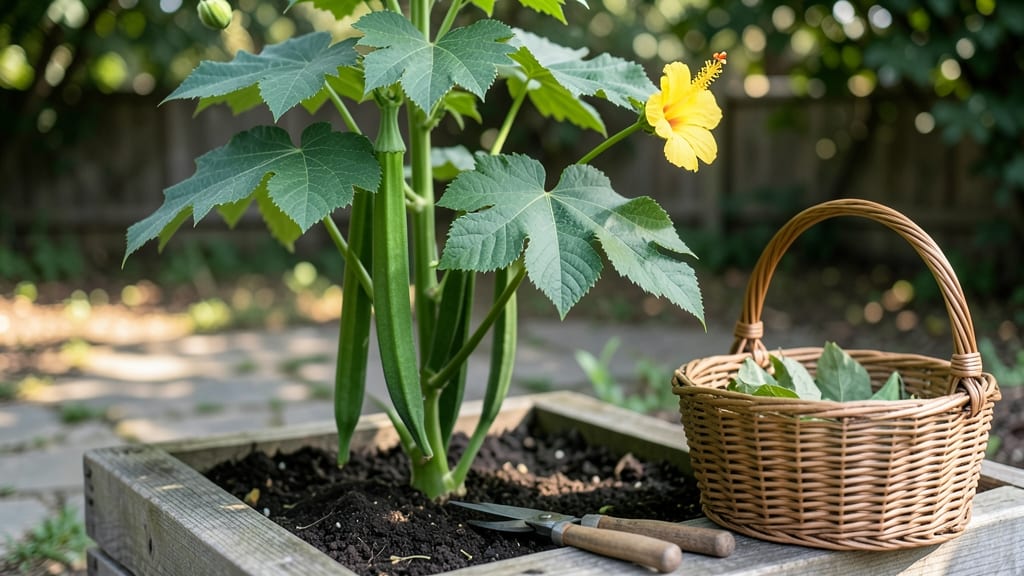
Okra thrives in season from late spring through fall 🌱, with harvests peaking between July and October in most U.S. growing zones.
Picture this: you plant your seeds, and by midsummer, your garden is bursting with pods—unless you miss the 60-day window between last frost and first frost. That’s the difference between a bounty and a bust.
In warmer climates like the Southern U.S., okra grows year-round, while cooler regions in Zone 6a rely on late spring starts. Container gardeners in short-season areas can stretch the harvest with protective covers or early starts indoors.
Below, I break down the exact planting and harvest months by region, plus tips to extend your season—because nobody wants to skip a single pod!
Okra season by U.s. growing Zones: month-by-month harvest guide
Okra thrives in warm climates, but its growing season varies dramatically across the U.S. From the deep South's year-round potential to Northern gardens with just 2-3 months of suitable weather, timing is everything.
Understanding your USDA hardiness zone and local temperature thresholds determines whether you'll enjoy a bountiful harvest or struggle with poor germination.
In Zones 10-11, okra grows nearly year-round, while gardeners in Zones 6-7 must work with tight windows between last frost and first frost. Even within these zones, selecting the right early, mid, or late-season varieties can extend your harvest by weeks.
Let's break down the exact months for each zone to plan your planting schedule.
| USDA Zone | Planting Window | Peak Harvest Months | Temperature Threshold (°F) | Best Varieties |
|---|---|---|---|---|
| Zones 10-11 | Year-round (successive plantings) | March-October | 60°F+ soil, 75°F+ air | Clemson Spineless, Emerald |
| Zone 9 | February-May, August-September | May-September | 65°F+ soil, 80°F+ air | Red Burgundy, Burpee Stringless |
| Zone 8 | April-June, August-September | June-October | 70°F+ soil, 85°F+ air | Arkansas Surecrop, Starburst |
| Zone 7 | May-July | July-September | 75°F+ soil, 90°F+ air | Cajun Delight, Perennial Okra |
| Zone 6 | Late May-June | August-September | 80°F+ soil, 95°F+ air | Emerald, Hill Country |
In Zones 10-11, okra's long growing season means you can plant every 2-3 weeks for continuous harvests. The Clemson Spineless variety is particularly popular here due to its heat tolerance and minimal seed pods.
Meanwhile, gardeners in Zone 6 must time their planting precisely—seeds won't germinate below 75°F soil temperature, and frost can arrive as early as September.
For Zone 7 and 8 gardeners, succession planting in late summer can extend harvests into October. The Red Burgundy variety thrives in these zones, producing vibrant pods even in slightly cooler conditions.
If you're in Zone 9, you can even enjoy two harvest cycles—one in spring and another in fall—by planting early and late varieties.
Temperature thresholds are critical: okra seeds require soil temperatures above 60°F to germinate, but ideal growth occurs when daytime temperatures stay above 85°F. In cooler zones, use black plastic mulch to warm the soil faster and protect young plants from unexpected chills.
This simple trick can shave 2-3 weeks off your growing season.
Harvest timing also varies by variety. Early-season types like Arkansas Surecrop mature in 50-55 days, while late-season varieties can take up to 75 days. Always harvest pods when they're 2-4 inches long for the best texture and flavor.
Waiting too long results in tough, fibrous pods that are less enjoyable to eat.
If you're in a transitional zone (like Zone 7b), consider using a cold frame or row covers to extend your season. These protective measures can add 3-4 weeks to your harvest window, allowing you to enjoy fresh okra well into October.
Just remember to remove covers during the day to prevent overheating.
For container gardeners in cooler climates, choose compact varieties like Starburst and move pots to sunny locations when temperatures rise. Containers heat up faster than garden soil, so monitor moisture levels closely during heatwaves. A self-watering system can make all the difference in maintaining consistent harvests.
Regardless of your zone, always start with healthy seeds and well-drained soil. Okra hates soggy roots, so amend heavy clay with compost or sand before planting. With the right timing and care, you can enjoy fresh okra straight from your garden for months—even in the shortest of seasons.
Best planting times for okra to maximize seasonal yields
Timing is everything when growing okra—this heat-loving vegetable demands precise planting windows to thrive. In northern regions (USDA Zones 6-8), okra seeds should only hit the soil after temperatures consistently stay above 60°F (15°C) for at least 2 weeks.
Meanwhile, southern gardeners (Zones 9-11) can plant as early as February, taking advantage of their extended frost-free seasons. Missing these windows risks stunted growth or no harvest at all.
Okra's sensitivity to cold makes frost dates your best friend. Calculate your average last frost date and wait 2-3 weeks before planting—this gives soil time to warm up. For example, if your last frost is April 15, aim for May 1 planting.
Pro tip: Use a soil thermometer to confirm temperatures are above 70°F (21°C) at 2 inches deep before sowing seeds.
-
Northern Regions (Zones 6-8):
🌱
Plant after May 15 | Harvest July-Sept
-
Southern Regions (Zones 9-11):
☀️
Plant Feb-March | Harvest May-Oct
-
Succession Planting:
✂️
Sow new seeds every 2 weeks for continuous harvests
-
Container Gardening:
🪴
Use 5-gallon pots | Plant after June 1 in Zone 7
For continuous yields, use succession planting—sow fresh seeds every 2-3 weeks until 8 weeks before your first frost. This ensures fresh pods throughout the season. In Zone 7, for instance, you might plant on May 15, June 1, and July 1 for staggered harvests.
Just remember: okra hates being transplanted, so always direct-sow seeds ½ inch deep and 1 inch apart.
Extending your okra season requires strategy. In cooler climates, try black plastic mulch or row covers to warm soil faster. For late-season plants, choose fast-maturing varieties like 'Burgundy' (50 days) or 'Clemson Spineless' (55 days).
In Zone 8, you might squeeze in one late planting in August for fall harvests before frost arrives.
Don't overlook soil prep—okra thrives in well-draining, slightly acidic soil (pH 6.0-6.8). Work in compost or aged manure 2 weeks before planting to boost fertility. A balanced fertilizer (5-10-10) applied at planting and again when pods form will keep your plants productive.
Water deeply at the base to prevent fungal issues, especially in humid climates.
With these precise planting times and regional adjustments, you'll transform your garden into an okra powerhouse. Start with the right timing, and you'll enjoy tender, flavorful pods from summer through fall—no empty plots in sight! 🌿