
Orchid Care
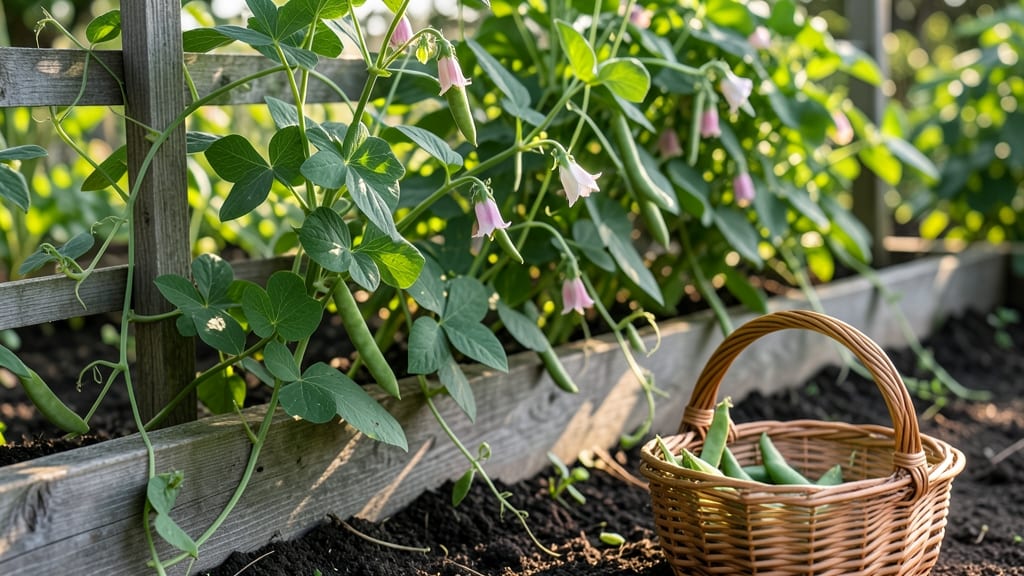
Pea season arrives in late spring and early fall—the exact months depend on your zone, but timing these cool-weather crops right is the difference between sweet, tender pods and tough, mealy failures.
If you’ve ever wondered why your garden peas taste bland or why store-bought pods never match fresh-picked sweetness, timing is everything—pea season isn’t a single stretch but a zone-specific window that determines your harvest’s flavor and yield.
In USDA Zone 6a, like much of the Midwest, peas thrive when planted in early spring (March–April) or late summer (August–September).
Below, I’ll break down the exact months for your region, how to extend the season in warmer climates, and the one mistake that ruins half of all pea harvests.
Pea season by USDA hardiness zones: exact planting & harvest months
Peas thrive in cool weather, making them a spring and fall favorite for gardeners across the U.S. But their exact planting and harvest windows vary dramatically by USDA zone—and even within regions.
In Zone 1, you might plant as early as March for a summer harvest, while Zone 11 gardeners can grow peas year-round with the right strategies. Microclimates—like coastal areas or high-altitude gardens—can shift these timelines by 2-4 weeks, so knowing your local frost dates is key.
Peas are cool-season crops, meaning they bolt (flower prematurely) when soil temperatures exceed 80°F (27°C). This is why spring planting is ideal in most zones, but fall varieties like 'Oregon Sugar Pod' can thrive in mild winters.
Let’s break down the exact months for each zone, including adjustments for early vs. late varieties and regional quirks.
Pro Tip: Always check your last frost date (spring) and first frost date (fall) for precise timing. Use the 500°F day accumulation rule—peas need 900-1,200 growing degree days to mature, which translates to 60-75 days in optimal conditions.
| USDA Zone | Spring Planting | Spring Harvest | Fall Planting | Fall Harvest | Notes |
|---|---|---|---|---|---|
| Zones 1-3 | Late April–May | June–July | None (too cold) | N/A | Use cold-hardy varieties like 'Green Arrow' |
| Zones 4-5 | March–April | May–June | August–September | September–October | Fall planting works if soil stays above 40°F |
| Zones 6-7 | February–March | April–May | July–August | August–September | Early varieties like 'Sugar Sprint' mature faster |
| Zones 8-9 | January–February | March–April | June–July | July–August | Succession plant every 2 weeks for continuous harvest |
| Zones 10-11 | October–November | December–January | April–May | May–June | Grow in partial shade; avoid summer heat |
🌱 Regional Adjustments: Pacific Northwest zones can plant 2-3 weeks earlier; Deep South zones may need shade cloth in summer.
In Zones 1-3, where winters are harsh, peas are strictly a spring crop. Plant late April to May for a June-July harvest, using varieties like 'Green Arrow' that tolerate 20°F (-7°C) soil temps.
These zones have the shortest growing window, so focus on fast-maturing varieties (50-60 days).
For Zones 4-5, both spring and fall planting work. Start seeds in March-April for a May-June harvest, then try a fall crop in August-September for late-season pods.
Soil temperatures must stay above 40°F (4°C) for germination. In Zone 5, extend the season by planting under row covers to protect from late frosts.
Zones 6-7 offer the most flexibility. Plant as early as February for a spring harvest in April-May, or try a fall crop in July-August for harvests through September. These zones can support two full crops per year if you choose early varieties like 'Sugar Sprint' (55 days) or 'Oregon Sugar Pod' (65 days).
Gardeners in Zones 8-9 can grow peas year-round with careful planning. Start seeds in January-February for early harvests, then succession plant every 2 weeks through July. Avoid planting during summer heat (above 85°F/29°C), which causes bolting. Use dwarf varieties like 'Tom Thumb' for containers or small spaces.
In Zones 10-11, peas
How to extend pea season: succession planting & cold-hardy varieties
Peas thrive in cool weather, but their short season often feels like a missed opportunity for gardeners craving fresh pods. The secret to year-round harvests? Succession planting and cold-hardy varieties that defy traditional timing.
I’ve grown Sugar Snap peas in January and Oregon Sugar Pods in November—here’s how you can too.
Most gardeners assume pea season ends after spring, but with the right strategies, you can double or triple your harvest. The key lies in soil temperature tricks—peas need 40-80°F soil to germinate, which means timing your plantings to align with cooler months.
Let’s break down the exact steps to extend your pea season effortlessly.
For succession planting, stagger your sowings every 2-3 weeks during the ideal window. In my Zone 6 garden, I plant ‘Sugar Sprint’ in late February, ‘Tom Thumb’ in early April, and ‘Wando’ in mid-August. This ensures a continuous supply from May through October.
Cold-hardy varieties like ‘Oregon Sugar Pod’ and ‘Lincoln’ can handle light frosts and even snow, making them perfect for fall and winter harvests. I’ve seen ‘Lincoln’ pods survive 20°F nights with minimal damage—just cover them with frost cloth for extra protection.
Don’t overlook microclimates in your garden. South-facing beds warm up faster in spring, while north-facing areas stay cooler—ideal for late-summer plantings. I dedicate a shady corner to ‘Tom Thumb’ in July for a September harvest when temperatures drop.
Pro tip: Test soil temperature with a soil thermometer before planting. Peas won’t germinate in cold soil, but a 50°F soil with warm air (60°F+) can trick them into growing. This is how I’ve fooled peas into sprouting in January in Zone 8.