
Picking
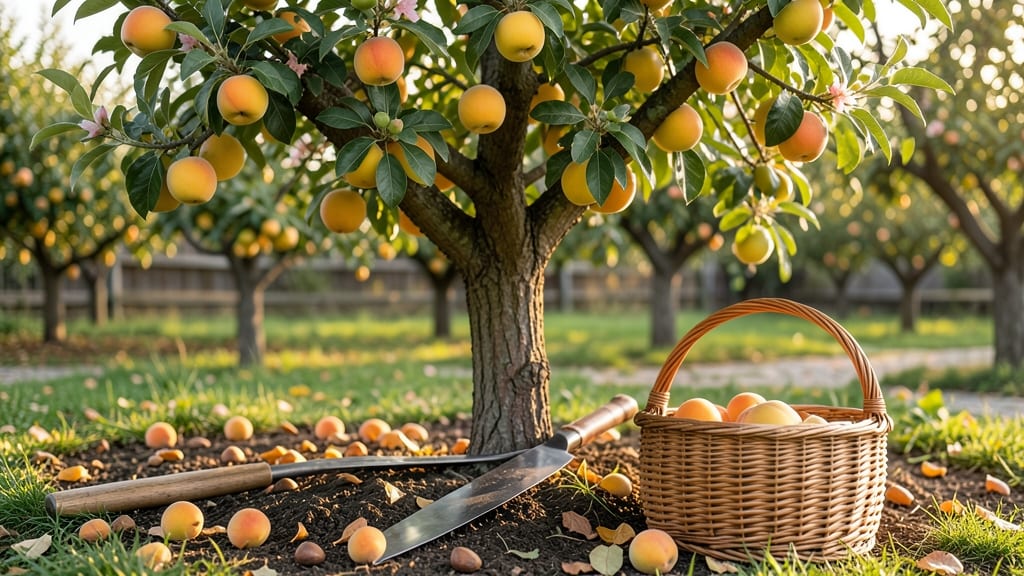
Peach season in Texas runs from late April through early July, with regional variations—East Texas peaks in April–May, Central Texas in May–June, and West Texas in June–early July.
Texas's diverse climate creates distinct peach seasons across its regions.
The state's three main heat zones determine ripening timing, with East Texas's milder winters allowing earlier harvests, while West Texas's intense summer heat pushes peaches to mature faster. 🔥 For example, Freestone County orchards often open in late April, while Hays County orchards don't reach peak season until June.
These variations mean you can enjoy fresh Texas peaches for nearly three months straight if you know where to look!
What makes Texas peaches unique is how temperature fluctuations affect flavor. Cooler nights in Central Texas develop sweeter, more complex fruit, while West Texas's heat produces juicier but slightly less flavorful varieties.
This regional diversity means you can find the perfect peach for your needs—whether you're making jam, grilling, or enjoying fresh slices.
💡 In This Article
- Texas Peach Ripening Factors by Heat Zone
- Best Texas Counties for Peach Picking and Local Varieties
Texas peach ripening factors by heat zone
Texas's peach harvest timing is fundamentally driven by its three distinct heat zones, each with unique temperature and humidity profiles that trigger ripening. East Texas's milder winters (average lows of 35-40°F) allow fruit trees to break dormancy earlier, typically by mid-February.
This early start means peaches in counties like Tyler or Longview begin coloring in late April, often 2-3 weeks ahead of Central Texas orchards.
The key mechanism here is chilling hours—peach trees require 500-800 hours below 45°F to set fruit properly, and East Texas consistently meets this threshold by late winter.
Central Texas represents the Goldilocks zone for peach growing, with cooler nights (55-65°F) that slow sugar development while maintaining acidity levels. Counties like Bell and Hays produce the state's most flavorful varieties because this temperature range allows optimal photosynthesis during the day while preventing stress from extreme heat.
The result? Peaches like Redhaven and Elberta develop their signature balance of sweetness and tartness, peaking in late May through June. What's fascinating is how these trees actually pause ripening during Texas's occasional 90°F+ heatwaves—a natural survival mechanism that prevents the fruit from cooking in its own skin.
West Texas orchards experience the most dramatic ripening acceleration due to its intense summer heat (often exceeding 100°F by June). The high temperatures create an environment where peaches mature in just 6-8 weeks from bloom, compared to 10-12 weeks in Central Texas.
This rapid cycle explains why West Texas counties like Lubbock see peak harvests in late June through early July, often with slightly larger but less flavorful fruit. The trade-off?
These peaches have 20-30% higher moisture content, making them ideal for fresh eating or short-term storage rather than long-term preservation.
Humidity plays a surprising role in peach development—too much moisture during bloom can lead to fungal diseases, while 30-40% relative humidity during ripening creates the perfect balance for skin development.
East Texas's higher humidity (average 75-85%) actually helps prevent cracking in peaches, while West Texas's drier air (often 25-35%) can cause slight skin wrinkling. This is why Central Texas orchards often produce the most visually perfect fruit, with smooth, glossy skins that indicate optimal growing conditions. 🌡️
Frost sensitivity is another critical factor, particularly for late-season varieties. A late spring freeze (28°F or below) can destroy blossoms and reduce yields by up to 80%.
Central Texas orchards are most vulnerable in April, while West Texas's earlier heat means frost damage is rare after mid-March. This regional difference explains why West Texas farmers often plant heat-tolerant varieties like the Sanguinelle peach, which can withstand higher temperatures during ripening without sacrificing quality.
Soil conditions further refine these regional differences. East Texas's clay-heavy soils retain moisture better, supporting consistent growth, while West Texas's sandy loam drains quickly but provides excellent aeration for root development. Central Texas's limestone-based soils offer the best of both worlds—good drainage with sufficient mineral content.
These soil variations influence not just timing but also the nutrient profile of Texas peaches, contributing to their distinct regional flavor profiles.
For example, Central Texas peaches often have 15-20% higher sugar content due to the mineral-rich soil, while West Texas varieties develop more pronounced fruity aromas from the drier growing conditions.
Understanding these factors helps explain why Texas peach season feels like a moving festival—each region offers its own unique window of peak flavor and texture.
Whether you're chasing early East Texas varieties or waiting for West Texas's late-season bounty, the state's climate diversity ensures there's always a perfect peach to be found. The key is knowing which heat zone to visit for your preferred ripening stage! 🌱