
Vegetables
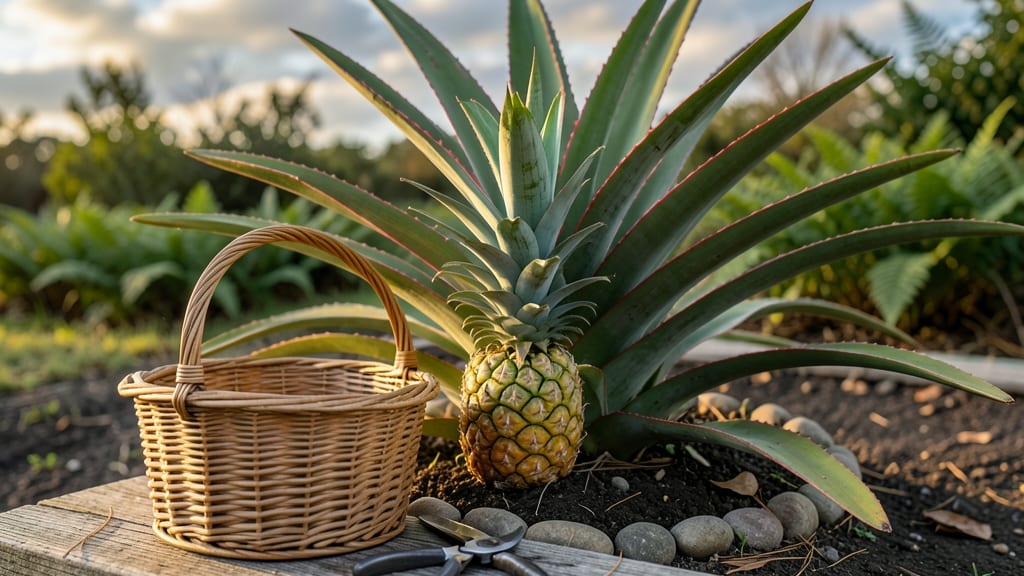
Pineapples in Florida reach peak ripeness between July and October, when the state’s warm climate and long growing season deliver the sweetest, juiciest fruit you’ll find anywhere.
If you’ve ever dreamed of plucking a perfectly ripe pineapple straight from the plant in Florida’s warm sunshine, timing is everything—miss the season, and you’ll be left with store-bought fruit that can’t compare.
This isn’t just about grocery store shelves, either. Florida’s homegrown pineapples—especially in South Florida’s Everglades region—taste nothing like the imported varieties. Farmers there harvest fruit that’s sweeter, firmer, and packed with tropical flavor, straight from the vine.
In this guide, I’ll break down the exact months for the best harvests, how to spot a perfectly ripe pineapple at a farm stand, and where to find the freshest picks—whether you’re a gardener or just a fruit lover chasing that Florida-grown taste.
Florida pineapple season timeline: month-by-month harvest guide
Florida’s warm climate makes it one of the best places in the U.S. to grow and harvest pineapples. Unlike tropical imports, Florida-grown pineapples ripen naturally under the sun, delivering sweeter, juicier fruit. But knowing the exact harvest window is key—miss it, and you’ll miss out on the best flavors.
The peak pineapple season in Florida runs from July through October, with subtle regional differences. South Florida’s warmer microclimate extends the season slightly earlier, while Central Florida’s cooler nights can delay ripening by a few weeks. Understanding these variations helps you plan your harvest trip or home garden perfectly.
Climate plays a huge role in pineapple ripening. Florida’s humid subtropical climate provides ideal conditions, but temperature swings—especially in late summer—can speed up or slow down maturation. Heavy rains may also dilute flavor, so the driest months (June–September) often yield the sweetest fruit.
For the best u-pick experience, target these top pineapple-growing counties: Miami-Dade (Homestead), Monroe (Key Largo), and Hendry (Clewiston). These areas offer commercial farms and family-owned operations where you can handpick your own ripe pineapple straight from the plant.
July marks the true start of Florida pineapple season, when golden-yellow skin and a sweet aroma signal ripeness. This is prime time for u-pick farms in South Florida, where you’ll find the largest selection.
Look for deep golden color and a slight give when you press the base—these are telltale signs of a perfectly ripe pineapple.
By August and September, Central Florida joins the harvest party. The cooler nights actually enhance flavor development, making September one of the best months for homegrown pineapples.
If you’re growing your own, these months are ideal for harvesting—just be ready to act fast, as Florida’s humidity and heat can cause fruit to overripen quickly.
October wraps up the season with a smaller but sweeter crop. While yields drop, the remaining pineapples often have the most concentrated flavor due to reduced water dilution.
This is your last chance to visit local farms before winter slows production. Pro tip: Ask farm staff about their harvest schedule—some may extend into November with greenhouse-grown varieties.
If you’re growing pineapples at home, pay attention to your local microclimate. Coastal areas ripen earlier than inland regions, and elevation changes can shift harvest windows by weeks.
For example, Homestead’s flatlands produce ripe fruit in early July, while Lake Placid’s higher elevation may see peak harvest in late August.
One common mistake is assuming all Florida pineapples ripen simultaneously. In reality, continuous blooming means new fruit enters the harvest window every 6–8 weeks. This staggered ripening is why farms stay busy from June through October, offering fresh fruit for months.
Plan your visit during this window for the best selection and sweetest flavors.
For gardeners, July and August are the best months to harvest homegrown pineapples. The longer daylight hours and consistent warmth create ideal conditions. If your plant’s leaves turn golden and the base feels soft, it’s time to harvest.
Use a sharp knife to cut the fruit, leaving a 1-inch stem to preserve freshness.
How to identify ripe pineapples in Florida’s season: color, smell, and feel
Florida’s pineapple season runs from July through October, offering gardeners and visitors the chance to pick fruit at peak ripeness. But how do you know when a pineapple is truly ready?
Unlike store-bought fruit, Florida-grown pineapples ripen on the plant, so timing your harvest is key to enjoying that perfect balance of sweetness and tartness. The three key indicators—color, smell, and feel—will guide you to the juiciest pineapples in the Sunshine State.
Start by examining the leaf color. A ripe pineapple’s leaves will turn from bright green to a yellowish-green hue, especially at the base. This color shift signals the fruit is nearing maturity. However, don’t wait too long—once the leaves turn fully brown, the pineapple may be overripe.
In Florida’s heat, this transition happens faster than in cooler climates, so keep an eye on your plants or farm visits during peak harvest months.
⚠️ callout-warning ⚠️
Florida’s humid climate can trick you—pineapples sometimes look ripe but aren’t. Never pick based on size alone; a pineapple can be large but underripe. Check all three indicators (color, smell, feel) before harvesting. Overripe pineapples turn mushy and ferment quickly in Florida’s heat, so timing is everything!
The stem test is another foolproof method. Gently twist the stem at the base—if it comes off easily with a slight resistance, the pineapple is ripe and ready to eat. A stubborn stem means it’s not ready yet, while a stem that pulls out too easily signals overripeness.
This trick works best in Florida’s farms, where pineapples are often hand-picked for freshness.
Your nose will be your best friend when testing for ripeness. A ripe pineapple emits a sweet, tropical aroma near the stem. If you don’t smell anything, the fruit isn’t ready yet.
Pro tip: Give the pineapple a gentle squeeze near the base—ripe fruit should yield slightly to pressure, like a ripe avocado. Store-bought pineapples are often picked green and gassed to ripen, but Florida’s farm-fresh pineapples ripen naturally, so this test is extra reliable.
Common mistakes can lead to disappointment. Many people assume a golden-yellow skin means ripeness, but Florida-grown pineapples often stay green until fully ripe.
Others skip the smell test, missing the sweet scent that’s a dead giveaway. Overwatering can also dull flavors, so if you’re growing your own, ensure your pineapple plant has well-draining soil and full sun—Florida’s USDA Zone 10-11 climate demands it!
For the ultimate experience, visit a Florida farm during peak season (August-September) and pick your own. The difference in taste between a freshly harvested pineapple and one shipped from across the country is night and day.
Now that you know the signs, you’re ready to spot the perfect pineapple every time—whether you’re growing your own or shopping at a local market.