
Picking
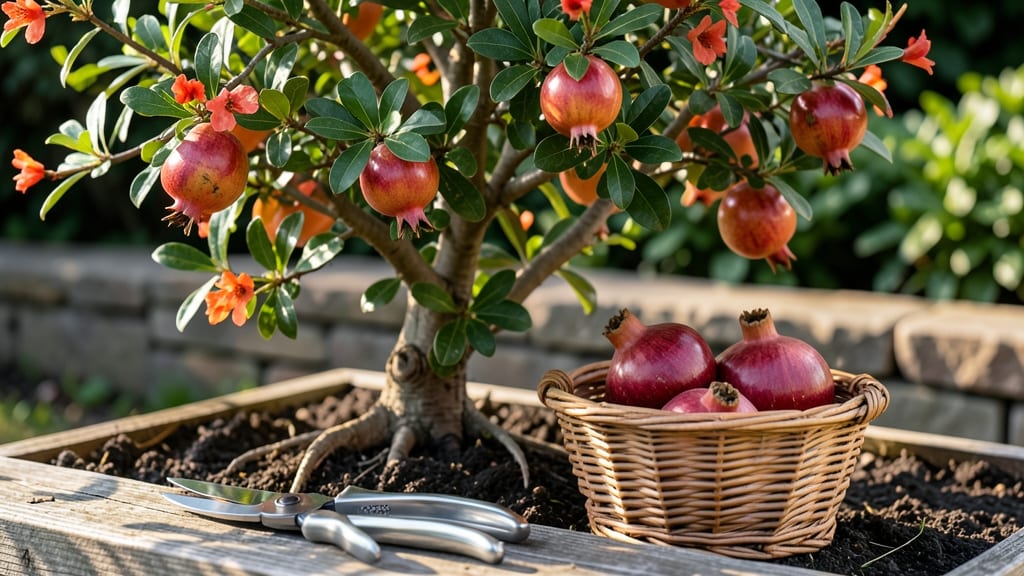
Wondering when is pomegranate season in Florida? The sweetest peak arrives between September and November, with October delivering the juiciest harvests—just don’t miss the window!
Picture this: a deep-red pomegranate so heavy it nearly falls from the tree, its seeds plump and bursting with flavor. That’s the reward when you nail the harvest window, but one wrong week and you’re left with tart, seedy disappointment.
The difference? Climate, soil, and a few pro tips that turn Florida’s frost-free growing season into a pomegranate lover’s paradise.
Whether you’re a home gardener or just hunting for the best local markets, knowing the exact months—and how to spot a ripe fruit—saves you time, money, and a lot of seed-spitting frustration.
Below, I’ll break down the regional nuances, planting tricks to extend your season, and where to find the freshest pomegranates before they disappear.
Ready to turn your Florida yard (or grocery cart) into a treasure trove of ruby gems? Let’s dive into the perfect months, growing hacks, and the secret signs that mean your pomegranate is finally ready to pick.
Florida pomegranate season: exact months for peak harvest and flavor
Florida’s pomegranate season is a fleeting but delicious window where these ruby-red fruits reach their sweetest potential. Unlike store-bought varieties, Florida-grown pomegranates thrive in the state’s warm climate, producing fruit with higher sugar content and juicier arils.
But timing is critical—miss the harvest window, and you’ll end up with bland or overly tart fruit. Let’s dive into the exact months for each region and how to spot the perfectly ripe pomegranate.
The peak harvest months in Florida vary by region, thanks to differences in temperature and humidity. South Florida’s warmer climate pushes the season earlier, while North Florida’s cooler winters delay it slightly.
Understanding these variations helps you plan when to pick your own or visit local markets for the freshest fruit. Whether you’re a home gardener or a fruit enthusiast, knowing these details ensures you never miss the sweetest pomegranates again.
| Region | Peak Harvest Months | Key Climate Factors | Best Picking Cues |
|---|---|---|---|
| South Florida (Miami, Fort Lauderdale) | September - October | Warmer winters, high humidity | Deep red rind, slight cracking |
| Central Florida (Orlando, Tampa) | October - Early November | Moderate temps, less humidity | Heavy fruit, dried calyx |
| North Florida (Jacksonville, Panhandle) | Late October - November | Cooler nights, drier air | Firm but yielding skin |
In South Florida, pomegranates typically hit their peak in September and October due to the region’s warmer climate. The high humidity can sometimes lead to fungal issues, so gardeners often prune for better airflow.
Look for fruit with a deep red rind and slight cracking—these are signs the sugars have fully developed. If you’re growing your own, hand-pollinate flowers in late winter to ensure a bountiful harvest during these months.
Central Florida’s Orlando and Tampa areas experience peak season in October and early November, thanks to their moderate temperatures. The fruit here tends to be slightly firmer and sweeter, as the cooler nights help balance the sugar content.
For home gardeners, this region is ideal for growing dwarf varieties like ‘Wonderful’ or ‘Eversweet’, which thrive in USDA Zones 9b-10a. Visit local farms in October to find the juiciest pomegranates at roadside stands.
Up north, in Jacksonville and the Panhandle, the season stretches into November due to cooler temperatures. The drier air reduces humidity-related issues, but gardeners must protect young trees from rare cold snaps.
The best pomegranates in this region often come from heirloom varieties like ‘Granada Sweet’, which develop a richer flavor in the cooler climate. If you’re picking your own, wait until the fruit feels heavy for its size—this indicates maximum juice content.
Identifying the sweetest pomegranate goes beyond just color. Start by checking the rind color: it should be a uniform deep red, not green or patchy. Next, give the fruit a gentle squeeze—it should feel firm but slightly yielding, like a ripe avocado.
The calyx (flower part) at the top should also be dry and darkening, a sign the fruit is fully mature. Avoid pomegranates with soft spots or a mushy texture, as these are overripe and often seedy or bland.
Climate plays a huge role in pomegranate ripening. Florida’s warm winters allow for year-round growth, but the summer heat can stress trees if they’re not properly watered. During peak season, aim for deep watering 2-3 times per week to encourage root growth and fruit development.
Mulching around the base of the tree helps retain moisture and keeps roots cool. If you notice cracking on the rind, it’s often a sign the fruit is nearing peak ripeness—just don’t wait too long, or you’ll risk birds or pests getting to it first.
For home gardeners, extending the harvest season is all about choosing the right variety and location. Plant dwarf varieties in containers if you’re in North Florida, where cooler temps can limit growth.
In South Florida, opt for heat-tolerant varieties like ‘Mollar de Elche’ and provide afternoon shade during the hottest months. Prune trees in late winter to encourage new growth and better fruit set, and fertilize with a citrus blend in early spring to support flowering.
If you’re planning a pomegranate harvest festival or just want to enjoy fresh fruit, mark your calendar for October—this is when Florida’s pomegranates are at their peak across most regions.
Visit U-pick farms like Florida’s Natural Growers in Homestead or Citrus Ridge Farm in Clermont for the freshest picks. Bring a basket, a knife, and a
How to grow pomegranates in Florida: timing, soil, and care for maximum yield
Florida’s warm climate makes it perfect for growing pomegranates, but timing and care are key to a sweet harvest. Planting in the right season and preparing your soil properly ensures your tree thrives.
Since Florida rarely experiences frost, you can plant almost year-round, but late winter to early spring gives your tree the best start.
Pomegranates need well-draining soil with a slightly acidic to neutral pH (6.0-7.0). Amending your soil with compost or a citrus blend fertilizer before planting will give your tree the nutrients it needs to produce plentiful fruit. Florida’s sandy soils often require extra organic matter to retain moisture and nutrients.
Step-by-Step Guide to Growing Pomegranates in Florida
-
Step 1: Choose the Right Variety
Select dwarf varieties like 'Wonderful' or 'Eversweet' for home gardens. These grow 6-10 feet tall and produce sweet fruit perfect for Florida’s climate.
-
Step 2: Plant in Late Winter (January-February)
Plant bare-root trees in well-draining soil with full sun. Space trees 8-12 feet apart to allow airflow and prevent disease.
-
Step 3: Water Deeply and Regularly
Water 10-15 gallons weekly for young trees, increasing to 20-30 gallons for mature trees. Water in the early morning to reduce evaporation.
-
Step 4: Fertilize in Spring and Fall
Use a balanced fertilizer (6-6-6) every 6-8 weeks during growing seasons. Avoid fertilizing in summer to prevent stress.
-
Step 5: Prune for Airflow and Shape
Prune in late winter to remove dead wood and shape the tree. Thin out crowded branches to improve fruit production and reduce disease risk.
-
Step 6: Harvest in October-November
Pick fruit when the rind turns deep red and seeds are plump. Harvest in the morning for the sweetest flavor.
Florida’s heat can stress pomegranate trees, so provide shade cloth during extreme summer temperatures (above 95°F). Mulch around the base of the tree to retain moisture and regulate soil temperature. This simple step can double your yield by reducing stress on the tree.
First-time growers should keep a checklist of tasks: test soil pH, amend with compost, water deeply, and monitor for pests like aphids or scale. With the right care, your pomegranate tree will reward you with juicy, flavorful fruit for years to come.
By following these steps, you’ll enjoy a bountiful harvest of Florida-grown pomegranates—sweeter and fresher than anything you’ll find in a store. Happy gardening! 🍇