
Flowers
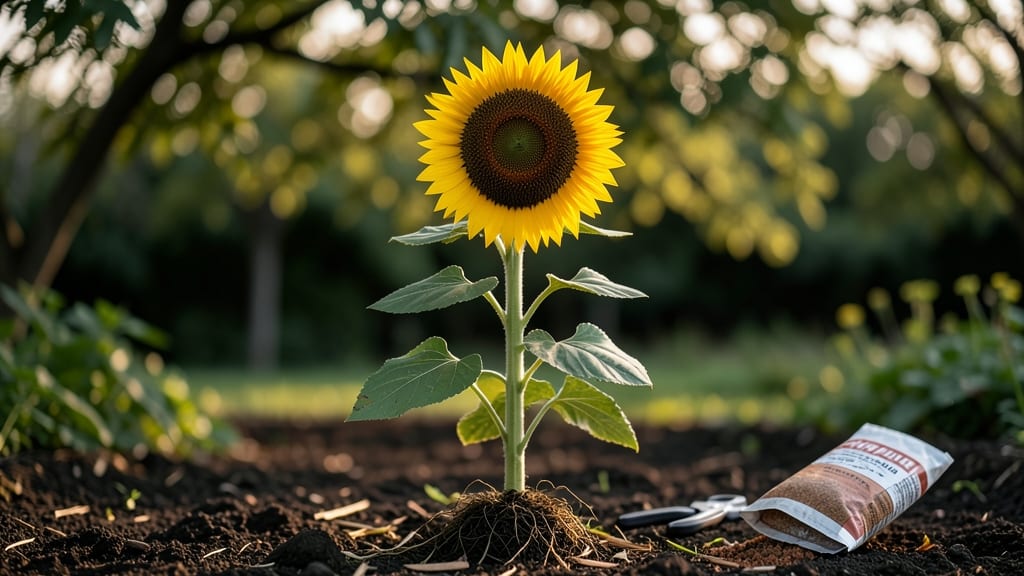
Wondering when are sunflowers in season in Florida, you’ll find they bloom from early spring through winter, with two ideal planting windows—spring and fall—that align perfectly with the state’s frost-free periods.
But here’s the catch: Florida’s climate lets you stretch those blooms almost year-round, if you know the tricks. Picture this: towering 🌻 sunflowers in your garden from May to January, with a little planning. That’s the magic of Florida’s long growing season, where heat and humidity work in your favor.
The key is timing your plantings right—spring for summer blooms and fall for winter displays. North Florida’s cooler pockets need a slightly earlier start, while South Florida’s warmth lets you sow almost anytime.
Below, I’ll break down the exact months for each region, plus how to keep your sunflowers thriving through Florida’s humidity and heat.
You’ll learn how to maximize bloom time, choose the best varieties for your microclimate, and even extend your season with smart companion planting. Ready to turn your garden into a sunflower paradise?
Florida sunflower season by region: coastal vs inland planting times
Florida's diverse climate creates three distinct sunflower seasons depending on your region. Coastal areas like Miami-Dade enjoy nearly year-round growth, while North Florida's Panhandle faces shorter windows due to milder winters. Understanding these differences ensures your sunflowers thrive, whether you're growing them for cut flowers or birdseed.
Sunflowers in Florida are heat-tolerant but struggle with excessive humidity and late-season heat stress. Coastal regions experience higher humidity levels that can promote fungal diseases, while inland areas face intense afternoon sun that may require shade cloth during peak summer months.
Let's break down the ideal planting windows for each region.
| Region | Best Planting Window | Frost-Free Period | Coastal Considerations | Inland Considerations |
|---|---|---|---|---|
| North Florida (Panhandle) | March 1 - April 15 (spring) / September 1 - October 15 (fall) | October 1 - April 15 | Moderate humidity; use shade cloth in summer | Hotter summers; water deeply during drought |
| Central Florida | February 15 - March 30 (spring) / August 15 - September 30 (fall) | November 1 - March 15 | High humidity; improve drainage | Extreme heat; mulch heavily in summer |
| South Florida (Miami/Dade) | January 1 - February 28 (spring) / September 1 - November 1 (fall) | Year-round (frost rare) | Very high humidity; fungicide may be needed | Less extreme heat; consistent watering needed |
In North Florida, the Panhandle region has the shortest frost-free season, with sunflowers thriving from March to October. Plant dwarf varieties like 'Teddy Bear' for easier maintenance, as they handle cooler spring nights better than giant varieties.
For summer planting, use shade cloth to protect young plants from intense afternoon sun.
Central Florida offers two ideal planting windows: early spring and late summer. The Orlando area benefits from warmer winters than North Florida, allowing for fall planting as late as September.
Choose heat-tolerant varieties like 'Autumn Beauty' for fall blooms that last through December holidays. Mulch heavily to retain soil moisture during summer droughts.
South Florida's Miami-Dade region is unique because sunflowers can grow almost year-round. The coastal humidity requires improved drainage and fungicide applications during rainy seasons. For continuous blooms, stagger plantings every 4-6 weeks from January to November. Use dwarf varieties in containers to avoid hurricane damage.
All Florida regions benefit from direct sowing seeds rather than transplanting, as sunflowers have sensitive root systems. Plant seeds 1 inch deep and 12-24 inches apart, depending on the variety.
In coastal areas, add sand to clay soil to improve drainage, while inland areas may need organic matter to retain moisture during summer heat waves.
For extended blooms, harvest seeds when back of petals turns yellow and seed heads feel heavy. In South Florida, you can enjoy three sunflower harvests per year by following the staggered planting schedule.
In North Florida, focus on spring and fall harvests for the best yield and birdseed quality.
Remember that coastal sunflowers may need more frequent watering due to salt spray and evaporative losses. Inland gardens can water less frequently but must monitor for drought stress. Both regions should avoid overhead watering to prevent fungal diseases like powdery mildew.
With these regional guidelines, you can maximize your sunflower season in Florida. Whether you're growing cut flowers, bird feed, or ornamental displays, timing your plantings to match your local climate will ensure vibrant
How to extend sunflower blooms year-round in Florida’s climate
Florida’s year-round growing potential lets you enjoy sunflowers 🌻 in every season—but only if you plan strategically. The key is successive planting, which means staggering your sowing schedule to create continuous blooms.
Unlike cooler climates, Florida’s frost-free windows (240-365 days) allow for multiple growing cycles, but heat and humidity demand special attention to avoid wilting or fungal issues.
Start by choosing drought-tolerant varieties like 'Autumn Beauty' or 'ProCut', which thrive in Florida’s 90°F+ summers. These varieties also handle humidity better than traditional types, reducing the risk of powdery mildew.
Pair this with well-draining soil (amend with compost) and mulch to retain moisture while preventing root rot.
For spring blooms, sow seeds in February-March (North FL) or January-February (South FL). In Central Florida, you can even start as early as December for winter-to-spring flowers. The trick is to space plantings every 3-4 weeks—this ensures continuous flowering from March through July.
Summer planting requires extra caution. Use 30-50% shade cloth to protect seedlings from intense afternoon sun (1 PM–4 PM). Water deeply at the base (1-2 gallons per plant) early in the morning to prevent leaf scorch.
This method supports fall blooms from September to November, just in time for winter holidays.
Don’t overlook overwintering strategies for year-round blooms. In North Florida, plant short-day varieties like 'Teddy Bear' in October for winter blooms (December–February). In South Florida, where frost is rare, you can even plant year-round with proper shade and irrigation.
Always test soil pH (aim for 6.0-7.0) and add compost before planting.
To maximize bird-friendly blooms, interplant sunflowers with native Florida pollinators like sage or blanket flower. This not only extends your garden’s appeal but also attracts beneficial insects that pest-proof your garden. With these Florida-specific tips, you’ll enjoy sunflowers 🌻 in every season—no frost required!