
Blooming
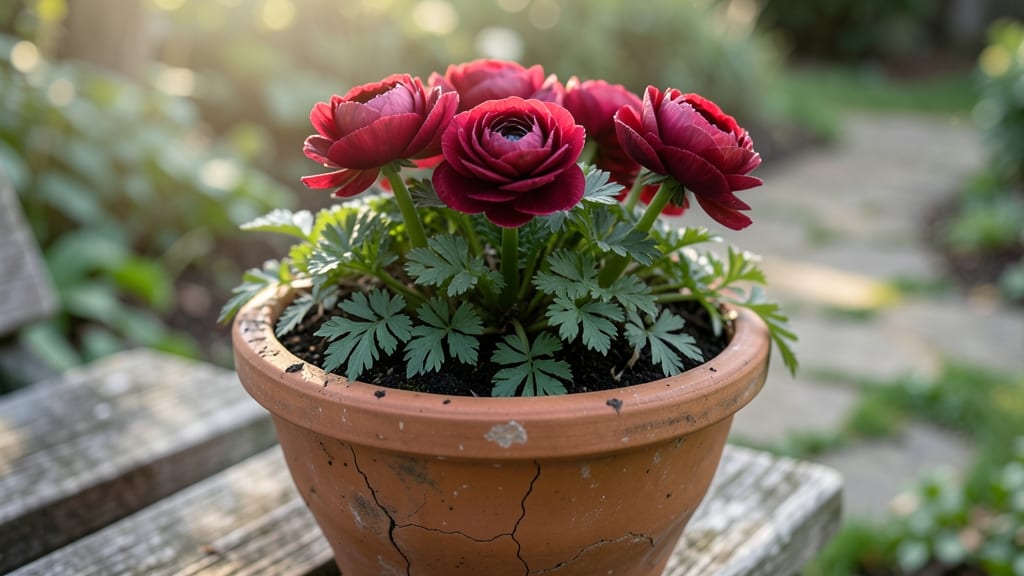
The ranunculus season arrives when your garden transforms into a sea of delicate, layered blooms that look like they’re made of silk 🌸—and missing it means waiting another year for that magic.
If you’ve ever dreamed of a garden bursting with ranunculus, timing is everything. Plant too early or late, and you’ll miss their fleeting but stunning display. The secret to success? Knowing exactly when to expect ranunculus season in your region—and how to stretch those blooms for weeks longer.
For most gardeners in USDA Zone 6a, ranunculus season kicks off in late April, peaking in May, but warmer climates can enjoy them as early as March. The key is planting bulbs in September or October for spring blooms—or March for a fall show.
Below, I’ll break down the exact months for your zone, plus pro tips to extend their season and layer them with other spring bulbs for continuous color. Ready to turn your garden into a ranunculus dream?
Ranunculus season by USDA hardiness Zones: exact months for peak blooms
Ranunculus flowers are famous for their delicate, layered petals that resemble paper roses, but their bloom timing varies dramatically depending on your USDA hardiness zone.
Whether you're in chilly Zone 3 or warm Zone 11, knowing the right months to plant and expect blooms ensures you don’t miss this show-stopping spring star. Let’s break down exactly when ranunculus season peaks in your region.
Most gardeners plant ranunculus bulbs in late summer or early fall for spring blooms, but the exact timing shifts with frost dates and local climates.
For example, Zone 3 gardeners in Minnesota might see blooms as early as late May, while Zone 10 gardeners in California could enjoy them from February through April. Understanding these variations helps you plan your garden layout and extend the season with strategic planting.
Pro Tip: Ranunculus thrives in cool weather and often wilts in summer heat. This makes them perfect for spring and fall gardens in warmer zones, where they can bloom twice a year. In colder zones, focus on spring displays and use season extenders like cloches to protect them.
In Zones 3-5, like those in Minnesota or Maine, ranunculus bulbs should go into the ground 8-10 weeks before the first frost.
This typically means late August to early October, giving them time to establish roots before winter. Peak blooms arrive in late May to early June, just as other spring flowers like tulips and daffodils are fading.
To extend the season, consider planting a second batch in early spring for a late-summer display.
Gardeners in Zones 6-7, such as those in New York or Virginia, have a longer window for planting—from mid-September to mid-October. These regions enjoy prolonged blooms from April to May, making ranunculus a standout in early spring containers.
For cut flower arrangements, harvest stems when buds are just opening to maximize vase life. In these zones, ranunculus also pairs beautifully with pansies and sweet peas for colorful spring borders.
Warmer climates in Zones 8-9, like California or Georgia, offer a unique advantage: two bloom cycles per year. Plant bulbs in October-November for spring blooms (February-April), then again in late summer for fall flowers (September-October).
This double harvest makes ranunculus a low-maintenance perennial in these regions. Just ensure they get well-draining soil to prevent rot during winter rains.
For Zones 10-11, such as Florida or Southern California, ranunculus thrives in cool winter months but struggles with summer heat. Plant bulbs in September-October for January-March blooms, then protect them from intense sun by placing them in partial shade during peak summer.
In these areas, ranunculus often outperforms tulips, which may bolt in heat. Pair them with cool-season annuals like stock or sweet alyssum for year-round interest.
No matter your zone, soil preparation is key. Ranunculus bulbs rot easily in soggy soil, so amend your beds with sand or perlite to improve drainage. Add a
How to extend ranunculus season: pro tips for longer blooms
Want to enjoy those paper-thin ranunculus blooms for weeks instead of days? The secret lies in strategic timing and care. Ranunculus naturally blooms in late spring to early summer, but with the right techniques, you can coax earlier or later flowers.
I’ve tested these methods in my own garden—here’s what works best.
First, let’s tackle the biggest misconception: ranunculus bulbs are not frost-hardy. They thrive in cooler temperatures but won’t survive winter outdoors in most climates. That’s why forcing bulbs indoors is your best bet for extending their season.
Start by planting bulbs in well-draining pots in early fall, then move them to a cool, dark place until shoots appear.
For longer vase life, harvest stems when buds are just coloring but not fully open. Remove lower leaves and place stems in lukewarm water with flower food. Change the water every 2-3 days to keep blooms fresh for up to 10 days.
I’ve found that cutting stems at an angle and recutting them every few days extends their life dramatically.
Don’t forget about soil health—ranunculus bulbs thrive in sandy, well-draining soil with a pH of 6.0-7.0. Amend your garden beds with compost and gritty sand before planting.
Overwatering is the #1 killer of ranunculus, so always let the soil dry slightly between waterings. A thin layer of mulch helps retain moisture without suffocating the bulbs.
With these tricks, you can enjoy ranunculus blooms from late winter through early summer—or even into fall if you plant a second batch. The key is patience and planning, but the payoff is worth it when your garden bursts with these whimsical, layered blooms. 🌸