
Advice
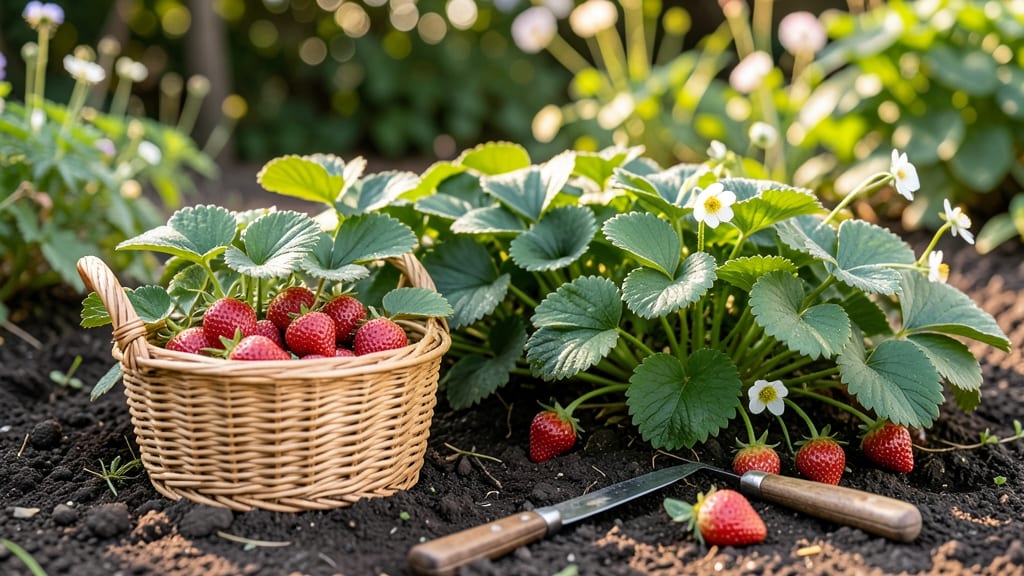
Strawberry season in Pennsylvania runs from late May through July, with early varieties ripening in the southeast by mid-May and northern regions reaching full harvest by late June. Cool nights and consistent rain enhance sweetness and size.
Timing varies dramatically across Pennsylvania's six agricultural zones, where elevation and microclimates create a staggered harvest. 🌱 The southeast's warmer microclimates kick off the season weeks earlier than the cooler northern tier, while mountain regions often lag by 2-3 weeks.
I've found that 'Jewel' varieties in the southeast can be ready by mid-May, while 'Chandler' in the northeast typically peaks in late June. These regional differences mean you can enjoy fresh strawberries for nearly three months if you know where to look!
What makes Pennsylvania's strawberry season particularly special is how climate factors interact with local farming practices. The state's consistent rainfall and cool nights—especially in the Appalachian foothills—help develop the berries' signature sweetness and deep red color.
Many local farms even adjust planting schedules to take advantage of these conditions, ensuring a longer harvest window for both commercial growers and home gardeners.
💡 In This Article
- Pennsylvania Strawberry Ripening Factors by Region
- Best Pennsylvania U-Pick Farms and Local Strawberry Varieties
Pennsylvania strawberry ripening factors by region
Pennsylvania's strawberry ripening timeline depends heavily on its six agricultural zones, where temperature, rainfall, and elevation create distinct growing conditions.
The southeast region, including areas like Lancaster County, experiences warmer microclimates that accelerate ripening—early varieties like 'Jewel' can reach peak sweetness by mid-May when daytime highs hit 75-80°F and nights stay above 55°F.
In contrast, northern zones like Erie County often see harvests delayed until late June due to cooler temperatures (65-70°F days) and shorter growing seasons.
Rainfall plays a critical role too—consistent moisture during flowering (1-1.5 inches per week) boosts fruit set, while drought stress can reduce yields by up to 40%.
The Appalachian foothills benefit from orographic lift, where mountain slopes capture extra rainfall, creating ideal conditions for varieties like 'Chandler' that thrive in 50-60°F nighttime temperatures. These cooler nights slow sugar conversion, resulting in berries with 10-15% higher soluble solids (the measure of sweetness) compared to warmer regions.
Elevation also matters—farms at 1,000+ feet (like those in Bedford County) may see harvests delayed by 2-3 weeks due to shorter growing seasons. However, higher elevations often produce firmer berries with better disease resistance.
The key factor is the last spring frost date: Varieties planted after April 15 in northern PA have a 30-day longer growing window than those in the southeast, where early planting risks frost damage.
This regional variability is why you'll find strawberries available from mid-May through July—each zone contributes to the state's extended harvest.
Soil composition adds another layer: Sandy loam soils (common in the southeast) drain well but require frequent irrigation, while clay-heavy soils in the northeast retain moisture better but need careful pH management (5.8-6.5 for optimal uptake).
Farmers in the central region often use raised beds to improve drainage, which can advance harvest by 5-7 days compared to flat ground planting. These microclimate differences explain why a single variety like 'Albion' might ripen in early June in Lebanon County but not until mid-July in Potter County.
What most gardeners don't realize is how planting dates interact with these factors. Early varieties planted in March-April in the southeast rely on accumulated heat units (growing degree days) to mature, while northern plantings often wait until May 1 to avoid frost.
This strategic timing creates the staggered harvest that keeps Pennsylvania's strawberry season vibrant for nearly three months. The result? A perfect balance of sweetness, size, and availability across the state's diverse landscapes. 🌿
For home growers, understanding these regional patterns means selecting the right varieties for your zone. Early-season types like 'Seascape' (day-neutral) can extend harvests into August in warmer microclimates, while June-bearing varieties like 'Honeoye' shine in cooler northern areas.
The science behind these choices lies in each variety's chilling requirements and heat tolerance—factors that directly impact when (and how well) your berries will ripen.