
Picking
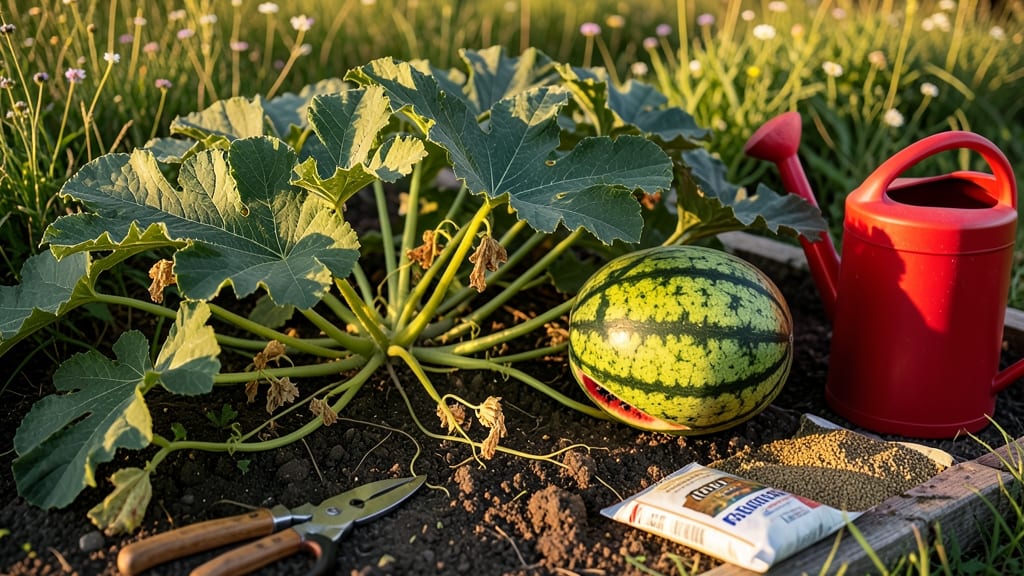
Watermelon season in Michigan runs from late July through mid-September, with the best harvests peaking in August, particularly in southern counties like Berrien and St. Joseph. Northern regions usually see shorter seasons, wrapping up by early September.
Michigan's growing zones and summer heat play a huge role in when you'll find ripe watermelons.
Southern areas like Berrien County often enjoy earlier harvests because they reach the ideal 75°F soil temperature faster than northern regions. 🔥 If you're in the Upper Peninsula or northern Lower Michigan, expect your season to start a bit later and end sooner—sometimes by early September.
The key is planting seeds after the last frost date (usually mid-May) and choosing fast-maturing varieties like 'Sugar Baby' to beat frost risks.
For home gardeners, the best spots to grow watermelons are in USDA zones 5-6, where the warm summer days and cool nights create perfect ripening conditions.
If you're looking to buy locally, hit up farmers' markets in Berrien and Calhoun counties—they often have the freshest, ripest melons starting in late July. Even in northern Michigan, you can still find great watermelons if you visit markets in Grand Rapids or Traverse City during August.
💡 In This Article
- Michigan’s Watermelon Growing Zones and Climate Factors
- Best Michigan Regions for Homegrown Watermelons and Local Picks
Michigan’s watermelon growing zones and climate factors
Watermelons thrive in Michigan’s USDA hardiness zones 5-6, where the combination of warm summer days and cool nights creates ideal ripening conditions. The magic number for watermelon growth is 75°F soil temperature—once the ground reaches this warmth, seeds germinate within 5-7 days.
Southern Michigan counties like Berrien and St. Joseph County hit these temperatures 2-3 weeks earlier than northern regions, which is why their harvests begin in late July while northern areas wait until early August.
The 100-day growing season for watermelons means Michigan’s short summer becomes a race against frost. A late spring frost (common in April-May) can delay planting, while early fall frosts (especially in October) threaten unripe melons.
Southern Michigan’s longer frost-free period—150-180 days—gives watermelons more time to mature compared to northern Michigan’s 120-140 days. This explains why you’ll find ripe watermelons at farmers' markets in South Haven or Benton Harbor by late July, while Traverse City markets might not have them until early August.
Humidity also plays a critical role—Michigan’s summer humidity levels (often 60-80%) can lead to powdery mildew if vines aren’t properly spaced. The solution? Plant seeds in raised beds or black plastic mulch, which warms soil faster and reduces disease risk.
This technique is especially popular in Calhoun County, where gardeners often achieve 30-50% larger yields compared to traditional in-ground planting.
What most gardeners don’t realize is how day length affects sweetness. Michigan’s shorter summer days (14-15 hours of sunlight) mean watermelons develop less natural sugar than those grown in longer daylight regions like the South.
That’s why Michigan-grown watermelons often have a milder, crisper texture—they’re less sweet but more hydrating. To compensate, local farmers often choose varieties like 'Sugar Baby', which matures in just 70-75 days and produces sweeter fruit despite Michigan’s climate challenges.
Another fascinating factor is how soil type varies by region. Southern Michigan’s sandy loam soils drain quickly, which helps prevent rot but requires daily watering during dry spells. Northern Michigan’s heavier clay soils hold moisture longer but can suffocate roots if not amended with compost.
This regional difference explains why Berrien County watermelons often have thicker rinds (better for shipping) while Grand Rapids-area melons may have slightly thinner skins due to different growing conditions.
For home gardeners, timing is everything. Planting after the last frost date (usually May 15) and using black plastic mulch can shave 10-14 days off the growing season.
The result? Watermelons that ripen just in time for late July harvests—perfect for beating Michigan’s first fall frosts, which typically arrive in early to mid-October.