
Planting
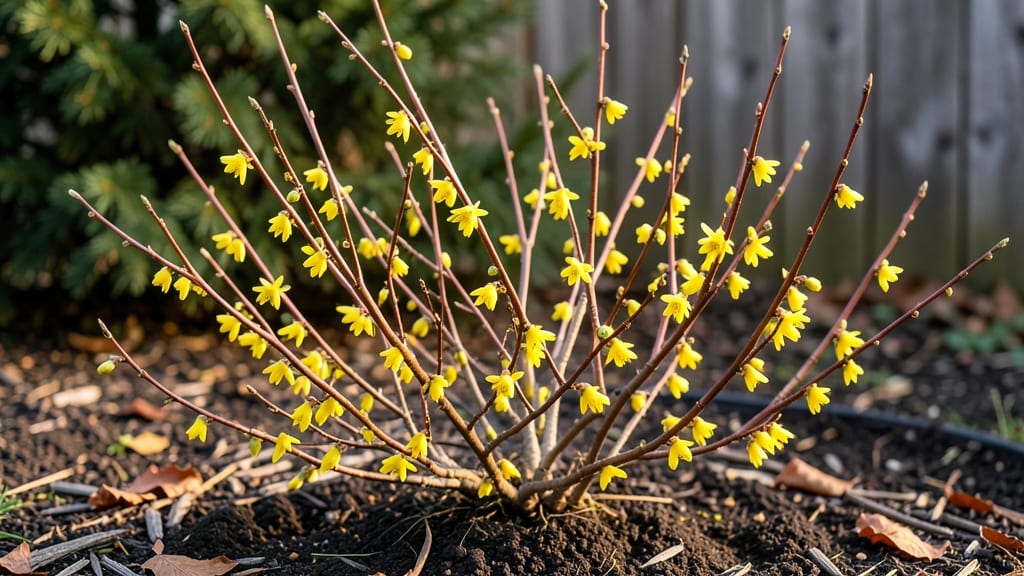
Winter jasmine in Zone 6 handles freezing temperatures down to -10°F (-23°C) once fully established, but young plants require extra winter shielding. For strongest growth, plant in early spring or fall to let roots settle before cold weather arrives, and avoid late-season planting. Annual pruning after blooming promotes thicker growth and better cold endurance.
Winter jasmine's cold resilience comes from its woody stems and semi-evergreen leaves, which can survive freezing temperatures once mature. 🌿 The key is establishing strong roots before winter—young plants need mulch or burlap wraps to protect tender growth.
I've found that planting in fall gives roots a full season to harden before the first frost, while spring planting lets you avoid late-season cold snaps that can stress new plants.
In Zone 6, where winters can be unpredictable, timing matters most. The best window is early spring (April-May) or fall (September-October)—both give the plant time to settle before extreme cold.
For extra protection, add a thick layer of mulch around the base after the first frost, and consider wrapping young stems in burlap if temperatures dip below -5°F (-21°C) for extended periods.
💡 In This Article
- Winter Jasmine Cold Tolerance and Survival Strategies
- Optimal Zone 6 Planting and Care Timeline for Winter Jasmine
Winter jasmine cold tolerance and survival strategies
The secret to winter jasmine's cold hardiness lies in its woody stems and semi-evergreen leaves, which contain high levels of antifreeze proteins similar to those found in cold-resistant trees like maples.
These proteins bind to ice crystals, preventing them from growing large enough to rupture cell walls—a process called ice nucleation inhibition. This allows the plant to survive temperatures down to -10°F (-23°C) once fully mature, though young plants lack this protection and need extra care.
Mature winter jasmine enters a dormant state in late fall, where its growth slows dramatically to conserve energy.
The plant's thick bark acts as insulation, while its evergreen leaves (which are actually modified stems called cladodes) reduce water loss during freezing temperatures. 🌿 What's fascinating is how the plant's root system deepens over time—established roots can extend 3-5 feet deep, accessing groundwater that stays liquid even when surface soil freezes.
This cold resilience explains why mature winter jasmine often outlasts young plants in Zone 6 winters. A 3-year-old plant with established roots can handle -15°F (-26°C) for short periods, while a 1-year-old sapling may suffer damage at just -5°F (-21°C).
The key difference is the plant's ability to store carbohydrates in its woody stems during summer, which fuel its survival mechanisms when temperatures drop.
For gardeners in Zone 6, this means timing is everything. Planting in fall (September-October) gives roots 6-8 weeks to establish before winter, while spring planting (April-May) avoids late-season cold snaps that can stress new growth.
The plant's natural dormancy period aligns perfectly with Zone 6's climate patterns, where winters typically last 3-5 months with occasional -10°F (-23°C) dips.
One common misconception is that winter jasmine's evergreen nature means it's always active. In reality, its growth slows to nearly imperceptible levels during winter, with only minimal photosynthesis occurring in its modified leaves.
This partial dormancy strategy allows it to conserve energy while still maintaining some metabolic activity—unlike fully deciduous plants that shut down completely.
For maximum cold protection, focus on these three strategies: mulching (3-4 inches of organic mulch), microclimate selection (south-facing walls or fences), and proper pruning (after flowering to avoid removing next year's buds). These techniques work together to create a protective environment that mimics the plant's natural cold survival mechanisms.
What most gardeners don't realize is that winter jasmine's cold tolerance actually improves with age—each winter it survives makes it stronger for the next.
This progressive hardening is why established plants in Zone 6 often require no additional winter protection beyond basic mulching, while young plants need more intensive care during their first few winters. 💫