
Container Gardens
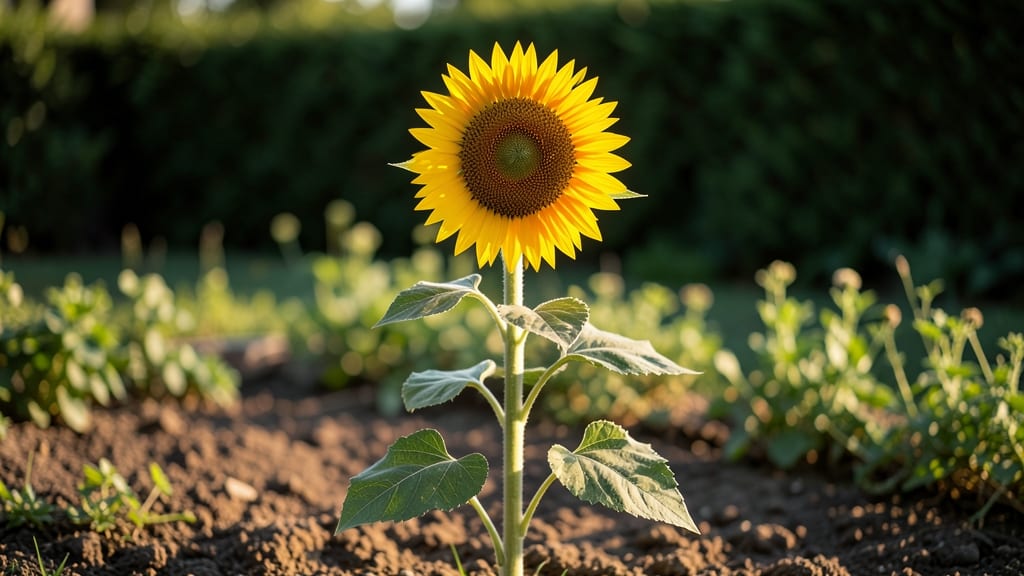
The sunflower growing season starts with timing that turns a handful of seeds into towering 🌻 giants—or flops into sad, spindly stalks.
Picture this: You plant your sunflowers in early April, confident they’ll reach for the sky, only to watch them wilt under unexpected frost or bolt in the heat before they even bloom.
The difference between a 12-foot monster and a 3-foot disappointment often comes down to when you put them in the ground.
In USDA Zone 6a, like much of the Midwest, the sweet spot is April to early May—after the last frost but before summer’s relentless sun zaps their energy.
But if you’re in a warmer zone, like Zone 8 or 9, you might start as early as February or stretch into June for a second round of blooms.
This guide breaks down the exact months for your zone, plus pro tips to extend the season, avoid common mistakes, and coax those sunflower giants right out of your soil—no guesswork included.
Best sunflower planting months by USDA hardiness zone for maximum growth
Sunflowers are fast-growing annuals that reward patience with stunning height and vibrant blooms—but timing is everything. Planting too early risks frost damage, while late planting may shorten bloom time or prevent maturity.
Your USDA hardiness zone dictates the perfect window to maximize sunflower growth and ensure they reach their peak height potential.
Sunflowers thrive in warm soil and long daylight hours, so the ideal planting month varies dramatically from Zone 3 to Zone 11. In cooler zones, I plant seeds after the last frost when soil temperatures hit 55°F (13°C).
In warmer zones, I opt for early spring or late summer planting to avoid extreme heat stress during flowering.
The USDA hardiness zone map is your best tool for planning. For example, in Zone 5, I aim for late May planting to ensure 100+ frost-free days before the first frost.
Meanwhile, in Zone 9, I can plant as early as February for a spring bloom or again in August for a fall harvest.
Here’s a zone-by-zone breakdown of the best months to plant sunflowers, including temperature considerations and daylight tips to maximize growth:
| USDA Zone | Best Planting Months | Soil Temp Requirement | Daylight Hours Needed | Bloom Time |
|---|---|---|---|---|
| Zone 3-4 | Late May - Early June | 55°F+ (13°C+) | 14+ hours/day | August - September |
| Zone 5-6 | Mid-April - Late May | 50°F+ (10°C+) | 13+ hours/day | July - October |
| Zone 7-8 | March - April or August | 45°F+ (7°C+) | 12+ hours/day | June - November |
| Zone 9-10 | February - March or September | 40°F+ (4°C+) | 11+ hours/day | April - December |
| Zone 11 | January or September-October | 35°F+ (2°C+) | 10+ hours/day | March - January |
In Zones 3-4, where winters are harsh, I recommend waiting until late May to plant sunflowers. This ensures the soil is warm enough and the risk of late frosts has passed.
For these zones, dwarf varieties like 'Teddy Bear' are ideal—they mature faster and tolerate cooler temperatures better than giant varieties.
For Zones 5-6, I plant sunflowers in mid-April to late May, aligning with the last frost date in my area. I always check my local frost calendar to avoid planting too early.
In these zones, semi-dwarf varieties like 'Autumn Beauty' strike a balance between height and hardiness, producing stunning blooms without requiring excessive space.
Gardeners in Zones 7-8 have the advantage of longer growing seasons. I plant sunflowers twice a year: once in early spring (March-April) for summer blooms and again in late summer (August) for fall harvests. This succession planting strategy maximizes my garden’s productivity and ensures a <
How to extend the sunflower growing season for longer blooms
Want your sunflowers to bloom longer and brighter? The key lies in strategic planting and variety selection. By extending their growing season, you can enjoy vibrant blooms from early summer through fall—even in cooler climates. Let’s explore how to maximize your sunflower season with simple yet effective techniques.
Most gardeners plant sunflowers in spring, but with the right approach, you can push blooms into late summer or early fall. This means more time to enjoy their cheerful faces and even harvest seeds for next year.
Here’s how to make it happen, whether you’re in a warm or cool climate zone.
-
1. Start Early
Plant cold-hardy varieties like 'Autumn Beauty' or 'Moulin Rouge' 4-6 weeks before your last frost date. These varieties tolerate cooler soil and can sprout faster, giving you a head start on blooms. -
2. Succession Planting
Sow new seeds every 2-3 weeks throughout the growing season. This ensures a continuous display of blooms, as early-planted sunflowers fade while later ones take over. Perfect for longer seasonal interest! -
3. Choose Late-Blooming Varieties
Opt for tall, late-season varieties like 'Russian Giant' or 'ProCut'. These take longer to mature but reward you with blooms in late summer or fall, extending your garden’s color palette. -
4. Use Row Covers
Protect young seedlings with floating row covers in early spring or late fall. This shields them from frost damage and allows you to plant earlier or later than usual, giving your sunflowers more time to thrive. -
5. Extend with Containers
Grow dwarf varieties like 'Teddy Bear' in containers. Move pots to sunny spots or even indoors near a south-facing window to prolong their blooming period, especially in cooler months.
Don’t forget to mulch around your sunflowers to retain moisture and regulate soil temperature. This simple step can help roots stay cool in summer and warm in spring, encouraging healthier growth and longer blooms. Mulch also suppresses weeds, reducing competition for nutrients.
For cooler climates, consider planting sunflowers in late summer (August-September) to enjoy fall blooms. Varieties like 'Autumn Beauty' thrive in these conditions and add a pop of color when other flowers fade. Just ensure they get enough sunlight to compensate for shorter days.
With these strategies, your sunflowers can bloom for months instead of weeks, turning your garden into a vibrant, long-lasting showstopper. Happy planting! 🌻