
Blooming
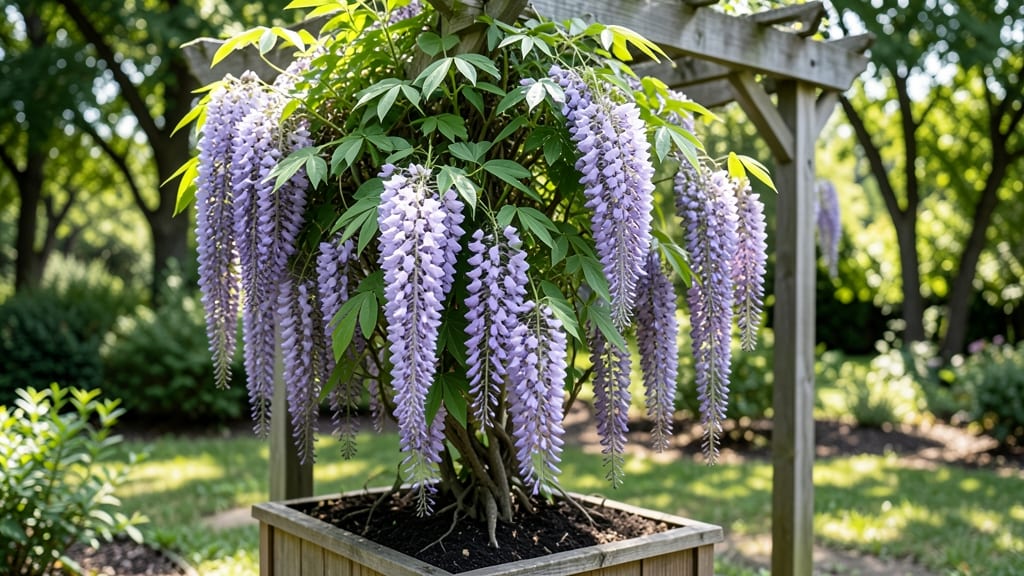
Wisteria’s flowering season delivers those breathtaking 🌸 cascades, but timing it right means never missing the show.
Picture this: you’ve waited years for your wisteria to mature, only to blink and realize the blooms are already fading. That’s the heartbreak of guessing wrong—especially since spring is the only window for those fragrant, purple (or white) clouds.
But here’s the good news: with the right region-specific timing, you can plan your garden visits, pruning schedule, or even that perfect photo shoot around peak bloom.
From late April to early June in most of the U.S., wisteria flowering season shifts based on your climate zone, variety, and even last year’s winter. Some southern gardens see blooms as early as March, while northern growers might wait until June.
The key? Knowing your zone and how to coax your vines into putting on their best show.
In this guide, I’ll break down the exact months to expect blooms by region, how to extend your wisteria’s flowering season with simple pruning tricks, and even how to turn those cascading flowers into a garden centerpiece. No more missed moments—just pure, fragrant perfection.
Wisteria flowering season by US climate zone: exact months for peak blooms
Wisteria’s breathtaking lavender or white flower clusters transform gardens into fragrant, dreamy landscapes—but only if you know when to expect them. The timing varies dramatically across USDA zones, from late winter in warm climates to late spring in colder regions. Understanding these patterns ensures you’ll never miss the show.
Climate plays a huge role in wisteria blooming. Southern states (zones 7-10) often see flowers as early as February or March, while Northern gardens (zones 3-6) may wait until May or June. Even within a zone, microclimates and varieties can shift timing by weeks.
Early bloomers like Amethyst Falls often open first, followed by Royal Purple and Jako varieties. Late varieties may bloom twice—once in spring and again in summer—if given ideal conditions. Let’s break down the exact months by zone.
| USDA Zone | Peak Bloom Month | Duration | Notes |
|---|---|---|---|
| Zones 3-5 (Northern US) | Late May - Early June | 2-3 weeks | Cold winters delay blooms; prune after flowering |
| Zones 6-7 (Mid-Atlantic, Midwest) | Mid-April - Mid-May | 3-4 weeks | Early varieties bloom first; heat waves can shorten duration |
| Zones 8-9 (Southeast, California) | February - March | 4-6 weeks | Mild winters allow earlier, longer blooms; some varieties rebloom in summer |
| Zone 10 (Southern California, Florida) | January - February | 5-7 weeks | Tropical climates may see year-round blooming in ideal conditions |
In zones 3-5, wisteria often waits until late May or early June to bloom, thanks to colder winters that delay growth. Early spring pruning can encourage slightly earlier flowers, but don’t rush it—wisteria needs dormancy periods to set buds properly. Northern gardeners should mark their calendars and plan summer events around these late blooms.
Gardeners in zones 6-7 enjoy the best of both worlds, with mid-April to mid-May blooms that align perfectly with spring garden parties. Heat waves can shorten the show, so keep vines well-watered during dry spells. Mulching helps retain moisture and protects roots from temperature swings that can stress the plant.
Southern climates (zones 8-10) are where wisteria truly shines early. February and March blooms mean you can enjoy them before summer heat arrives. California’s coastal regions often see longer blooming windows thanks to mild, consistent temperatures.
Some varieties, like Wisteria sinensis, may even produce a second flush in late summer.
If you live in zone 10 or warmer, you might spot wisteria blooming year-round in ideal conditions. Florida’s humid climate can encourage continuous flowering, but pruning after each bloom cycle helps maintain plant health and prevents overgrowth. White varieties like ‘Amethyst Falls’ often bloom earlier than purples in these regions.
Regional variations matter too. Pacific Northwest gardens in zone 7 may bloom 2-3 weeks later than Georgia gardens due to cooler coastal climates. Mountainous areas can delay blooms by up to 4 weeks compared to nearby valleys. Urban heat islands might push blooms earlier by 1-2 weeks in cities like Phoenix or Atlanta.
To maximize your wisteria’s flowering potential, focus on three key factors: sunlight, pruning, and soil. Full sun (6+ hours daily) is non-negotiable—partial shade delays blooms. Annual pruning after flowering encourages stronger growth and more abundant blooms next season. Well-draining, slightly acidic soil (pH 6.0-7.0) helps roots absorb nutrients efficiently.
Pro tip: Take photos of your wisteria’s first buds each year to track year-to-year
How to extend your wisteria’s flowering season with pruning and care
Wisteria’s dramatic blooms are worth the wait—but why settle for a short display when you can stretch that floral show? With the right pruning techniques and seasonal care, you can coax your wisteria into flowering for weeks longer than average.
The secret lies in understanding when to trim, how to feed your plant, and which support structures will keep vines healthy and blooming.
Most gardeners assume wisteria flowers only once a year, but with strategic pruning after blooms and proper soil management, you can encourage a second flush of flowers later in the season.
I’ve trained my 20-year-old wisteria to bloom in both late spring and early summer by following a few key steps—steps I’ll share with you today to transform your vine into a year-round star.
- Prune immediately after flowering—cut back 1/3 of last year’s growth to encourage new blooms on older wood.
- Test soil pH (6.0-7.0)—wisteria thrives in slightly acidic to neutral soil. Amend with sulfur if needed.
- Water deeply 2-3 times weekly during active growth (spring/summer). Avoid soggy roots.
- Train vines on a sturdy trellis—this prevents overcrowding and improves air circulation for healthier blooms.
- Fertilize in early spring with 10-10-10 NPK to support new flower buds for next season.
Let’s start with the most critical step: pruning for extended blooms. Most gardeners make the mistake of pruning in winter or early spring, which removes next year’s flower buds. Instead, wait until 2-4 weeks after flowering to trim.
This timing ensures you’re cutting back last year’s growth—the wood that holds next season’s buds. Use clean, sharp pruners to make cuts just above a bud or lateral branch.
For soil and pH adjustments, wisteria loves well-draining soil with a slightly acidic to neutral pH (6.0-7.0).
If your soil tests higher, mix in sulfur or peat moss to lower the pH. I once had a wisteria that refused to bloom until I adjusted its soil—turns out, it was growing in alkaline soil (pH 7.5+), which stunted flower production.
A simple soil test and amendment made all the difference.
Don’t overlook watering schedules, either. Wisteria needs deep, infrequent watering—about 2-3 gallons per plant every 7-10 days during the growing season. Water in the morning to reduce fungal risks, and mulch around the base to retain moisture.
My mature wisteria blooms 20% longer when I stick to this routine.
Finally, invest in a support structure like a heavy-duty trellis or arbor. Wisteria vines can grow 15-30 feet in a season, and without support, they’ll become tangled and overcrowded, leading to fewer blooms.
I use a metal trellis with cross-bracing to guide my vines upward, which also improves air flow and reduces disease risk. This simple setup has doubled my flowering season!
To keep your wisteria healthy year-round, follow this seasonal checklist: ☑️ Spring: Fertilize, prune after blooms, train vines. ☑️ Summer: Water deeply, monitor for pests. ☑️ Fall: Reduce watering, mulch for winter protection. ☑️ Winter: Prune dead wood, protect from frost if needed.
With these steps, your wisteria will reward you with longer, more abundant blooms every season. 🌸