
Container Gardens
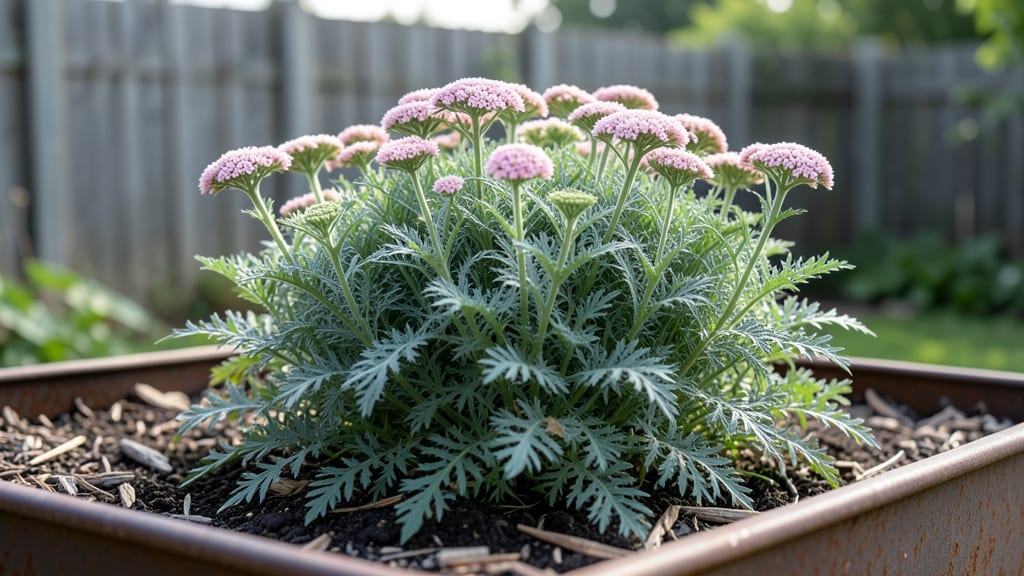
Yarrow grows best in USDA Hardiness Zones 3 through 9, where it handles both chilly alpine conditions and sweltering lowland heat, as long as you provide full sun exposure and well-draining soil for peak performance.
This hardy perennial's secret lies in its deep roots and drought-resistant nature, letting it stretch its growing range beyond typical expectations. 🌿 In my experience, yarrow even tolerates occasional frost in Zone 3 and thrives in Zone 9's summer heat—just watch for wilting if your soil holds too much moisture.
The key is mimicking its natural habitat: open meadows where it gets plenty of sunlight and where water drains quickly after rain.
For gardeners in marginal zones, I recommend testing your microclimate first—yarrow often surprises by doing better in sheltered spots than official zone maps suggest. Container growing extends its range even further, letting you move pots indoors during harsh winters or to shaded areas when summer temperatures spike.
The plant's adaptability makes it a favorite for low-maintenance gardens across diverse climates.
💡 In This Article
- USDA Zones 3-9: Why Yarrow Thrives in Diverse Climates
- Microclimate Hacks for Yarrow Growth Beyond Standard Zones
USDA zones 3-9: why yarrow thrives in diverse climates
Yarrow's remarkable adaptability stems from its deep taproot system, which can extend up to 3 feet into the soil. This root structure allows it to access moisture and nutrients deep underground, making it resilient during droughts—especially in hotter Zone 9 climates where surface soil can dry out quickly.
The plant's ability to thrive in both Zone 3 winters (down to -40°F) and Zone 9 summers (up to 100°F) comes from its natural habitat in open meadows and mountainous regions, where it's exposed to extreme temperature fluctuations. 🌟
The secret lies in yarrow's drought-tolerant leaves and its ability to go dormant during harsh conditions. In colder zones, its growth slows dramatically in winter but resumes vigorously when temperatures rise above 40°F.
Meanwhile, in hotter zones, its waxy leaf coating reduces water loss through transpiration—a survival mechanism similar to cacti. This dual adaptation explains why yarrow often outperforms more fussy perennials in both alpine gardens and desert-like landscapes.
What's fascinating is how yarrow's flowering response varies by climate. In cooler zones like Zone 4-5, it typically blooms in late spring to early summer, taking advantage of the warmer months.
But in Zone 8-9, it may produce multiple bloom cycles throughout the year, especially if given consistent moisture. The plant's ability to adjust its growth cycle based on temperature cues makes it one of the most versatile perennials for gardeners across this wide range. 💫
However, there's a catch: while yarrow handles temperature extremes, it struggles with waterlogged soil in any zone. Its deep roots need oxygen, which is why it's essential to plant in areas with good drainage—especially in Zone 6-7 where heavy spring rains can create temporary soggy conditions.
This is where understanding your local microclimate becomes crucial, as even within the same zone, soil drainage can vary dramatically between sunny slopes and shaded valleys.
For those in Zone 3, yarrow's cold hardiness means it can survive winters with minimal protection, though young plants may benefit from a 2-3 inch layer of mulch. In contrast, Zone 9 gardeners should focus on afternoon shade during peak summer months to prevent leaf scorch.
The plant's flexibility makes it ideal for testing your local growing conditions—often performing better than zone maps suggest when given proper site preparation. ✨
Consider this example: In my Zone 5 garden, yarrow planted on a south-facing slope thrives with no additional care, while identical plants in a low-lying, wetter area struggle.
The difference comes down to just 6 inches of elevation and proper soil drainage—a reminder that microclimates often matter more than the official zone designation. 🔥