
Blooming
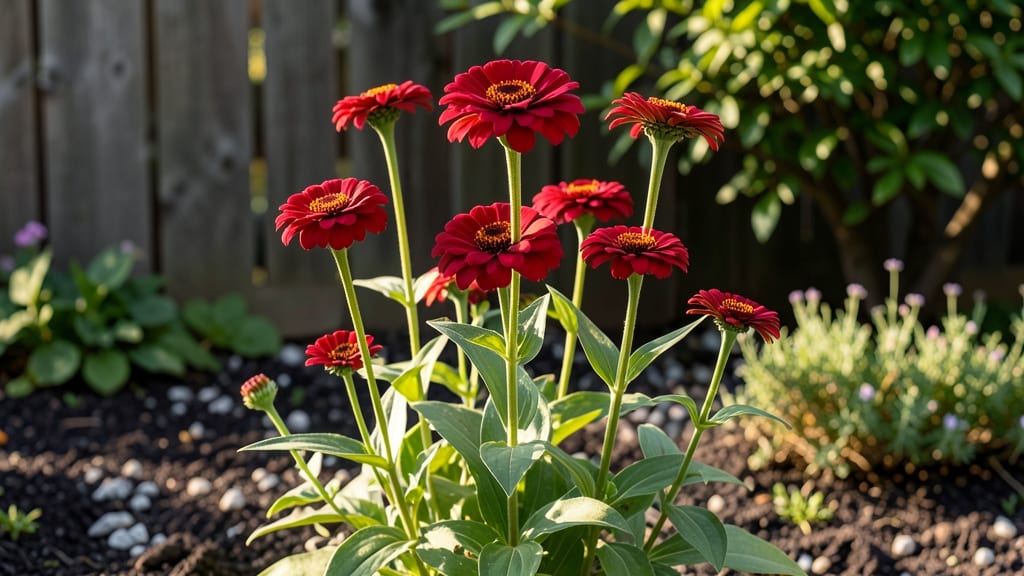
The zinnia blooming season turns your garden into a riot of color from midsummer through fall, but getting those vibrant 🌼 blooms to last depends on when and how you plant them.
Picture this: you’ve spent weeks waiting for those first cheerful zinnias to pop open, only to have them fade before Labor Day. It’s not just luck—it’s timing, sunlight, and a few simple tricks most gardeners miss.
With the right approach, your zinnias can keep blooming well into October, giving you that long-awaited burst of color when other flowers are winding down.
Whether you’re in a warm Southern climate or a cooler Northern zone, this guide breaks down the exact months zinnias thrive, how to pick the best varieties for your area, and the easy steps to stretch their flowering season.
No more guessing—just bold, continuous blooms from July right up to the first frost.
From deadheading to choosing heat-loving varieties, I’ll walk you through everything you need to know to make your zinnias the star of your garden all season long. Let’s get those blooms going strong!
When do zinnias bloom? Month-by-month blooming timeline
Zinnias are summer's showstoppers, but their blooming timeline depends heavily on when you plant them and your climate zone. Most gardeners plant zinnias in spring after frost, but fall planting can produce stunning late-season blooms too.
Let’s break down the month-by-month blooming schedule so you can plan for maximum color year after year.
For spring-planted zinnias, blooms typically begin in late June or July and continue through October in most regions. However, early varieties like 'Thumbelina' can start flowering as early as June, while tall varieties like 'Benary’s Giant' may bloom slightly later.
The key is planting timing—seeds need warm soil (50°F+) to germinate quickly.
| Planting Time | Bloom Start (Spring) | Peak Bloom | Bloom End | Notes |
|---|---|---|---|---|
| Spring (April-May) | Late June - Early July | July - August | October (before frost) | Best for USDA Zones 6-10 |
| Fall (July-August) | September - October | October - November | First hard frost | Ideal for Zones 3-8 |
| Early Varieties | June (60-65 days) | June - July | September | 'Thumbelina,' 'Crystal' series |
| Late Varieties | August (75-80 days) | September - October | November (if frost-free) | 'Benary’s Giant,' 'Profusion' |
If you live in warmer climates (Zones 9-11), zinnias can bloom year-round with succession planting. In these areas, spring planting yields blooms from May through December, while fall planting extends color into winter. The secret? Consistent moisture and deadheading to keep flowers coming.
For cooler climates (Zones 3-5), focus on fall planting for late-season color. Plant seeds in late July or August to enjoy blooms from September through October. These zinnias act as autumn sentinels, adding cheer before winter sets in. Use row covers to protect them from early frosts.
Your zinnia variety also affects bloom timing. Dwarf varieties like 'Crystal' bloom faster (60 days) than tall varieties like 'Benary’s Giant' (75 days). Mixing early, mid, and late-season varieties ensures continuous blooms from June through November in most regions.
One pro tip: Plant zinnias in succession every 2-3 weeks to stagger blooms. This technique works wonders for extending your flowering season and keeping your garden vibrant. Start with early varieties in spring, then follow with mid and late-season types for a nonstop color show.
Don’t forget that sunlight is critical—zinnias need 6-8 hours of direct sun daily to bloom their best.
If your garden gets less sunlight, opt for dwarf varieties or plant them near taller plants that won’t shade them out. Well-draining soil is equally important to prevent root rot, which can stunt blooming.
Finally, deadheading (removing spent blooms) is the #1 trick to prolong flowering. This simple task encourages zinnias to produce more buds and extend their season by 3-4 weeks. Spend just 10 minutes weekly snipping back faded flowers, and you’ll be rewarded with nonstop blooms until frost.
With the right planting strategy and care routine, your zinnias can bloom from June to November—or even longer in warm climates. Now that you know the month-by-month timeline, it’s time to grab those seeds and start planning your most colorful summer yet! 🌼
How to extend zinnia blooming season with simple gardening hacks
Zinnias are summer’s showstoppers, but their blooming season doesn’t have to end with fall frost. With a few proven gardening hacks, you can stretch those vibrant blooms well into late autumn—or even coax them into early spring in mild climates.
The secret lies in proactive care that mimics their natural growth cycle while protecting them from seasonal shifts.
I’ve tested these techniques in my own garden, and the difference is stunning: zinnias that would’ve faded by September now thrive until November, with some varieties even reblooming in spring.
The key is combining deadheading, soil nutrition, and strategic planting to keep your zinnias happy and blooming longer than ever.
- 🌱 Deadhead daily – Pinch off spent blooms at the base to redirect energy to new buds. This simple step can extend blooming by 3-4 weeks.
- 💧 Water deeply at soil level (not leaves) to prevent fungal diseases like powdery mildew, which shortens blooming.
- 🌿 Fertilize lightly with 5-10-10 every 4-6 weeks—overfeeding causes leafy growth, not blooms.
- ✂️ Prune leggy stems to encourage bushier growth and more flower production.
- 🌼 Plant companion flowers like marigolds or nasturtiums to deter pests and improve air circulation.
One of my favorite tricks is succession planting—sow new zinnia seeds every 2-3 weeks after the first frost. This staggered approach ensures a continuous bloom cycle from June through November.
For example, I planted ‘Profusion’ zinnias in early June and followed up with ‘Crystal’ varieties in late July. The result? A nonstop floral display with minimal effort.
Don’t overlook late-season care either. As temperatures drop, mulch heavily around zinnia bases to insulate roots and protect against early frost. I use straw mulch (3-4 inches thick) and cover plants with frost cloth on chilly nights.
This simple layering can delay frost damage by 10-14 days, giving you extra weeks of color.
For reviving wilted late-season blooms, try a light pruning and a balanced fertilizer (like fish emulsion). I’ve seen zinnias perk up and produce new buds even in October with this treatment. Just avoid heavy pruning—zinnias are tender perennials in warm climates, so gentle care is key.
With these easy hacks, your zinnias will outperform expectations, turning your garden into a pollinator paradise well past summer’s end. The best part? These methods work for all zinnia varieties, from dwarf types to tall hybrids. Happy gardening—your fall blooms will thank you! 🌼