
Planting
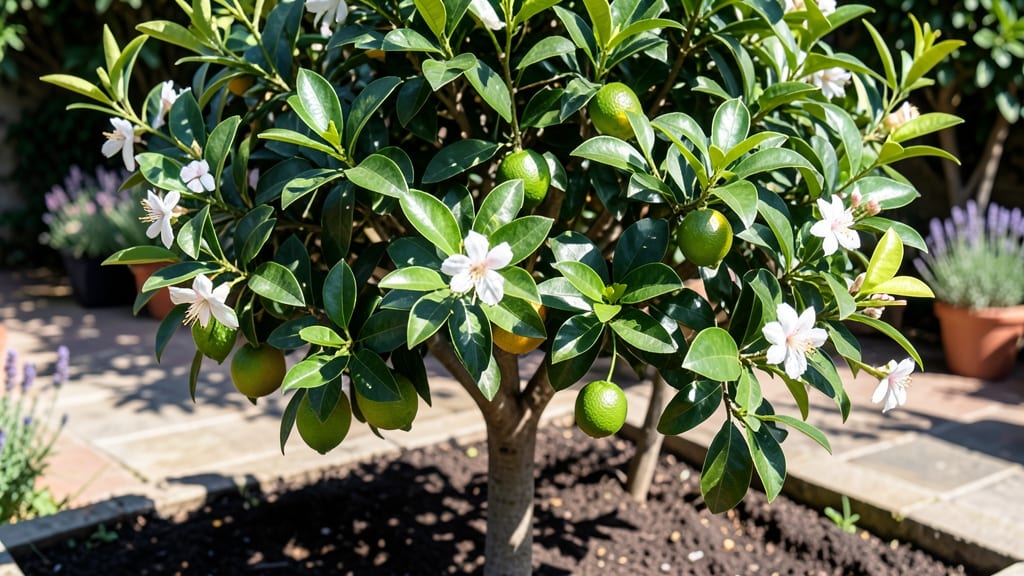
Gardening in Zone 9a means planning around last frost dates between December 15 and January 31, with first frosts hitting November 15 to December 31. Local conditions like urban heat or sheltered valleys can push these dates by weeks, so always check recent weather trends. Opt for cold-hardy plants such as citrus, bougainvillea, or hibiscus, and use row covers or mulch to shield tender varieties from unexpected chills.
Understanding Zone 9a's frost patterns is key to maximizing your growing season.
The USDA's broad guidelines often miss local variations—like how a city's concrete absorbs heat or how coastal breezes delay frost. 🌡️ I recommend using a frost calendar app to track your specific area's trends over 3-5 years, as even a 10°F shift can mean the difference between thriving and struggling plants.
For example, inland areas might see frosts arrive earlier than coastal spots, where ocean temperatures moderate the air.
When selecting plants, focus on those with proven cold tolerance—like rosemary or fig trees—that can handle brief dips below freezing. Annuals such as okra or sweet potatoes thrive in Zone 9a's heat but need protection when temperatures drop below 35°F.
A simple row cover can add 4-8°F of protection, buying you extra weeks of growing time before winter sets in.
💡 In This Article
- How Microclimates Shift Zone 9a Frost Windows
- Best Zone 9a Plants for Extended Growing Seasons
How microclimates shift Zone 9a frost windows
Microclimates in Zone 9a create dramatic temperature variations because they're influenced by factors like urban heat islands, elevation changes, and proximity to water bodies. For instance, cities like Los Angeles can experience urban heat islands that raise nighttime temperatures by 5-10°F compared to rural areas just miles away.
This heat retention delays frost formation, sometimes pushing last frost dates back by 2-3 weeks in urban gardens. Coastal areas benefit from ocean breezes that moderate temperatures, while inland valleys can see frosts arrive 1-2 weeks earlier due to radiative cooling at night.
The science behind these shifts involves temperature inversion layers—warmer air trapping cooler air near the ground in valleys or low-lying areas. At higher elevations, even within Zone 9a, temperatures can drop 10-15°F colder than at sea level.
Wind exposure plays a critical role too: Sheltered gardens behind fences or buildings may stay 3-5°F warmer than open areas, where wind accelerates heat loss. These microclimate effects explain why a single Zone 9a region can have frost-free periods ranging from 280 to 320 days annually depending on location.
To map your garden's specific frost windows, start by checking NOAA's Frost/Freeze Point Probability Maps for your county, then adjust for local conditions.
For example, a garden in San Diego's coastal zone might see its last frost in January 20, while just 10 miles inland in the foothills, frost could arrive by December 25.
Smartphone apps like PlantNet or Gardenate use crowd-sourced data to refine these estimates further, accounting for your exact elevation and nearby water features.
Wind patterns create another layer of complexity—coastal areas experience katabatic winds that push cold air inland, while inland valleys trap cold air in "frost pockets."
This is why a single property might have three distinct frost zones: a warm urban microclimate near the street, a cooler mid-slope area, and a cold sink at the lowest elevation.
Planting frost-sensitive citrus trees on the warmest south-facing slope can extend their growing season by 4-6 weeks compared to planting them in a frost pocket.
Soil type also influences frost timing—sandy soils drain heat faster than clay, causing temperature swings of 15°F or more between day and night. This diurnal variation stresses tender plants like bougainvillea, which may need mulch blankets to maintain root-zone temperatures above 40°F.
The key takeaway? Zone 9a gardeners should treat their property like a topographic puzzle, using temperature sensors at multiple elevations to identify the coldest spots and prioritize frost protection there first.
For practical application, consider these microclimate adjustments when planning your garden layout. Place heat-loving plants like olive trees or aloe vera near south-facing walls or paved surfaces that radiate warmth.
Conversely, position frost-sensitive annuals like tomatoes (which die at 32°F) in the warmest microclimates and use low tunnels to add 8-10°F of protection during late fall. Even a 10-foot difference in elevation can mean the difference between a thriving garden and a failed crop.
Remember: Microclimates aren't static—they evolve with urban development, deforestation, or climate shifts. That's why I recommend tracking your local frost dates for 3 consecutive years to establish a reliable pattern. This long-term data will reveal trends that generic Zone 9a guidelines simply can't predict. 🌡️