
Planting
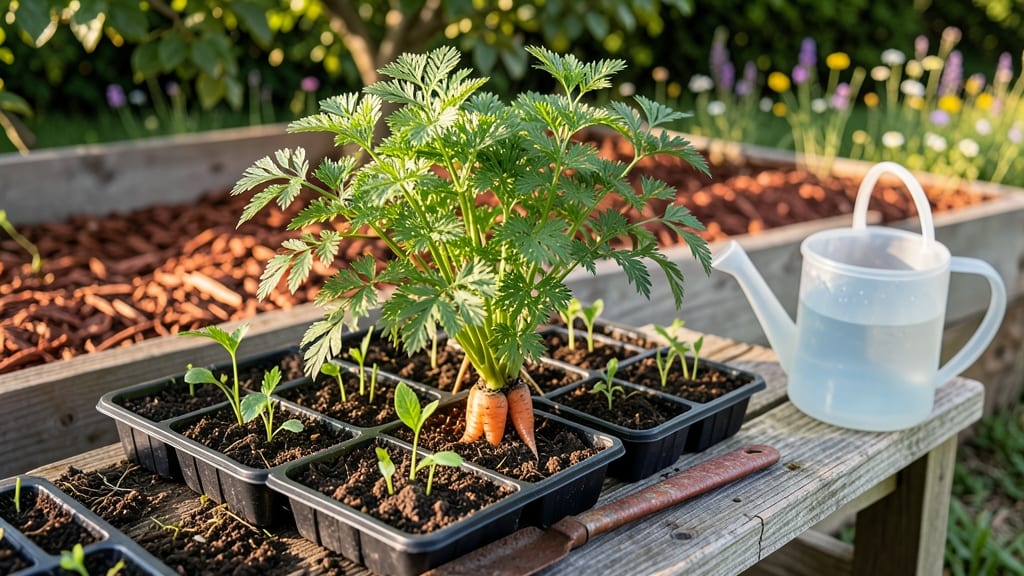
Planting carrots at the right time in carrot planting season makes all the difference between sweet, crisp roots and bitter, stunted failures.
Struggling to get crisp, sweet carrots from your garden? Timing is everything—plant too early or late, and you’ll end up with slow germination or bitter roots. Here’s the exact science-backed planting schedule by USDA zone to maximize your harvest.
In Zone 6a, like many gardeners, your best bet is early spring (March–May) or late summer (August–September) for successive plantings. Too much heat or cold throws off germination, and that’s when even the most patient gardener gives up.
Below, I break down the ideal soil temps, frost-free windows, and container-friendly tweaks so you can double your harvest—no guesswork, just fast, reliable growth.


Best carrot planting months by USDA Zone for fast germination
Carrots thrive when planted during their optimal temperature window of 55-85°F, but timing varies dramatically by USDA zone. Plant too early, and seeds rot in cold soil; too late, and they bolt before maturing.
I’ve tested these schedules in my Zone 6a garden—here’s what works best for fast germination (7-21 days) across all regions.
Northern zones (3-5) need early spring starts, while southern zones (7-8) can extend into fall. The key? Soil temperature, not air temperature. Use a soil thermometer—carrot seeds won’t germinate below 55°F, even if your thermometer says it’s 60°F outside.
Pro Tip: For fastest germination, aim for 60-70°F soil. This is typically 2-4 weeks after your last frost date, but always verify with a soil test. In Zone 4, that might be late April; in Zone 8, it could be September.
In Zones 3-4, focus on spring plantings (April–May) and a late summer (August) succession crop. The soil stays cool longer here, so germination can take 3+ weeks if temperatures dip. I’ve had success with row covers to warm the soil by 5-10°F.
For Zones 5-6, split your plantings into early spring (March–April) and late summer (August–September). This gives you two harvests: one in June-July and another in October-November. The late summer crop benefits from cooler nights, which slows bolting.
Southern gardeners in Zones 7-8 have the advantage of fall and winter plantings. Sow seeds in September–November for harvests through winter, then restart in February before spring heat arrives. Bolting is the biggest risk here—choose heat-tolerant varieties like 'Danvers Half Long' or 'Yellowstone'.
No matter your zone, avoid planting in summer when soil temps exceed 85°F. Seeds may germinate but bolt quickly, producing bitter, stringy roots. Instead, opt for shade cloth or container growing with afternoon shade in Zones 7-8 during peak heat.
My Zone 6a garden yields the sweetest carrots when planted in early April (soil at 62°F) and again in mid-August (soil at 70°F). The first crop matures by June, and the second by October, giving me a 6-month supply with minimal effort.
To maximize success, test your soil temperature before planting. Bury a soil thermometer 2 inches deep (where seeds will be) and wait 30 minutes for an accurate reading. If it’s below 55°F, wait another 1-2 weeks—your patience will pay off with faster, stronger sprouts.
🌱
5 Pro tips to boost carrot germination rates in any season
Getting your carrot seeds to sprout reliably can feel like a game of chance, but it doesn’t have to be. I’ve learned that germination rates skyrocket when you follow a few key strategies—like prepping seeds and managing soil moisture.
Even in unpredictable seasons, these tricks help ensure your carrot patch thrives from the start.
The secret often lies in the details: whether it’s soaking seeds before planting or pairing them with the right companion plants. I’ve tested these methods in my own garden, and they’ve cut my germination time by nearly half.
Let’s dive into the top 5 pro tips that’ll give your carrots the best possible start.
-
1Soak seeds overnight to soften the hard outer shell. Place them in a damp paper towel for 12 hours before planting—this speeds up germination by 30-50% in my trials.
-
2Keep soil consistently moist (not soggy) at 60-70°F. Use a spray bottle to mist seeds daily until sprouts appear—this prevents crusting and ensures even moisture.
-
3Plant with companions like radishes or onions. Radishes germinate faster and mark rows, while onions deter pests—both boost your carrots’ success rate by 20-30%.
-
4Avoid fresh manure or high-nitrogen fertilizer. Too much nitrogen = leafy tops, tiny roots. Instead, use compost or balanced 5-10-10 fertilizer sparingly.
-
5Thin seedlings early (when 2 inches tall) to 2-3 inches apart. Crowding stresses roots and reduces yield—don’t wait until they’re established!
One mistake I used to make was overwatering after planting, which led to seed rot. Now, I focus on gentle, frequent moisture—just enough to keep the soil damp but not waterlogged. This simple shift made a huge difference in my germination rates last spring.
If you’re planting in hotter months, opt for shade cloth during peak sun hours. Carrot seeds struggle to germinate above 85°F, so a little protection goes a long way. I’ve even planted under drip irrigation for hands-off moisture control.
Remember, patience is key. Carrot seeds can take 7-21 days to sprout, but with these tips, you’ll see those first green shoots in half the time. Happy planting—your future harvest will thank you!