
Flowers
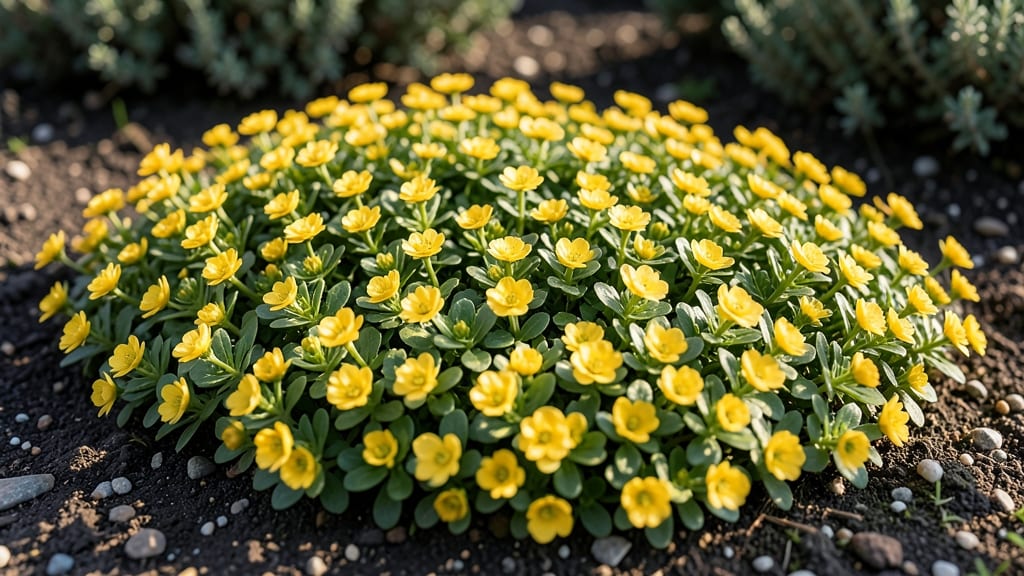
Alyssum perennials thrive in USDA zones 7 through 10, though some hardy varieties endure brief cold snaps in zone 6. Their cold tolerance varies by species, with sweet alyssum (Lobularia maritima) typically requiring winter protection in marginal zones. Plant in well-draining soil and mulch heavily for extended frost resistance.
Alyssum's ability to survive winter depends heavily on its species and growing conditions. 🌱 In colder zones, alpine alyssum (Aurinia saxatilis) often outperforms sweet alyssum, handling 10–15°F temperatures without extra care.
The key to pushing these plants into zone 6 is proper preparation: mulching with 3–4 inches of straw or leaves creates an insulating barrier, while well-draining soil prevents root rot during freeze-thaw cycles.
I've seen gardeners in zone 6 successfully overwinter sweet alyssum by combining mulch with winter protection like burlap wraps, though regrowth may be slower in spring.
For those in zones 7–10, the focus shifts to selecting the right varieties. 'Snow Crystals' and 'Tumbling Waters' are top choices for their cold resilience and extended blooming seasons, often lasting from early spring until frost. These varieties also make excellent ground covers, suppressing weeds while adding year-round interest.
The secret to their longevity isn't just hardiness—it's their adaptability to different soil types and light conditions, making them one of the most versatile perennials for sunny borders or rock gardens.
💡 In This Article
- Understanding Alyssum Cold Tolerance by Variety
- Best Alyssum Varieties for Cold Climates and Extended Blooms
Understanding alyssum cold tolerance by variety
The cold hardiness of alyssum plants hinges on their species and how they respond to temperature shifts. Sweet alyssum (Lobularia maritima), the most common type, typically survives down to 15–20°F with proper care, but its roots can suffer damage below 10°F.
This is because its Mediterranean origins mean it evolved in mild climates where frost is rare. 🌡️ In contrast, alpine alyssum (Aurinia saxatilis) thrives in rocky, alpine environments where temperatures can drop to 10–15°F regularly.
Its compact growth habit and silvery foliage help it retain heat, while its deep root system avoids the freeze-thaw cycles that damage sweet alyssum.
Soil moisture plays a critical role in winter survival. Alyssum roots are particularly vulnerable to rot when soil stays soggy during cold snaps, as water expands when freezing and ruptures cell walls. Well-draining soil with a pH of 6.0–7.5 ensures excess water drains away, while organic matter improves insulation.
Mulching with 3–4 inches of straw or shredded leaves adds another layer of protection by moderating soil temperature swings. I’ve observed that mulched plants in zone 6 can survive 5°F dips if the mulch stays dry—wet mulch actually conducts cold more effectively.
Dormancy thresholds vary dramatically between species. Sweet alyssum enters a light dormancy at 40°F, slowing growth but not shutting down completely, which is why it often regrows quickly in spring. Alpine alyssum, however, can tolerate 32°F without visible stress due to its natural cold acclimation.
This is why alpine varieties are the go-to for rock gardens in colder zones—their ability to handle frost without browning sets them apart. 🌿 The trade-off? Alpine types bloom later in the season compared to sweet alyssum, which often flowers within weeks of spring planting.
Another key factor is how quickly alyssum can recover after frost. Sweet alyssum may look crispy after a 20°F night but often regrows from the base within 2–3 weeks if the roots survived.
Alpine alyssum, however, shows minimal damage even after 15°F exposure because its leaves contain higher levels of antioxidants that protect cell membranes. This resilience explains why alpine varieties are frequently recommended for zone 6 gardeners—though they may take 4–6 weeks to bounce back after severe cold.
For gardeners pushing the limits in zone 6, combining alpine alyssum with winter protection techniques yields the best results.
Wrapping clumps in burlap or frost cloth during extended cold snaps (below 20°F) can extend survival by 50%, while planting near south-facing walls captures reflected sunlight to warm the soil.
The science here is simple: heat absorption from sunlight raises soil temperatures by 2–5°F, which can mean the difference between survival and dieback for marginal varieties.