
Plants
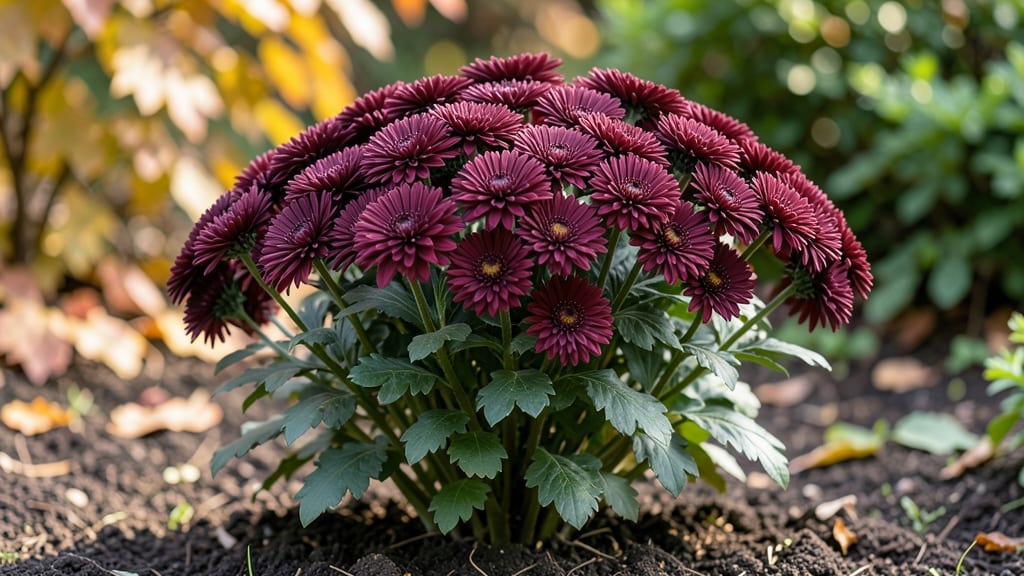
Mums are not reliably perennials in Zone 6 without winter protection, as they typically die back to the ground in cold winters and may not regrow unless sheltered or hardy varieties are chosen. Most garden mums thrive as annuals or require mulching to survive.
Zone 6's winters often push chrysanthemums past their comfort zone—most varieties can't survive temperatures below 10°F without protection. 🌬️ The root systems freeze when exposed to prolonged cold, leaving gardeners to replant every spring.
However, some cold-hardy mums (like Chrysanthemum × morifolium hybrids) can push through with proper care, making them semi-perennials rather than true annuals.
For those who want to keep mums year-round, mulching with straw or leaves adds a protective layer, while overwintering in containers lets you move them to a sheltered spot.
The key is acting early—by late fall, when the first frost hits, these strategies become your best bet for seeing those familiar blooms return next season.
💡 In This Article
- Why Mums Struggle as Perennials in Zone 6 Winters
- How to Extend Mum Longevity in Zone 6 Gardens
Why mums struggle as perennials in Zone 6 winters
Most garden mums, particularly the popular Chrysanthemum × grandiflorum varieties, are bred for vibrant fall color rather than cold hardiness. Their natural range thrives in USDA Zones 5-9, but Zone 6's winters—where temperatures can drop to -10°F to 0°F—push them to their limits.
The root systems, which store energy for regrowth, freeze solid when exposed to prolonged cold, leaving no reserves to fuel spring rebirth. 🌬️
This freezing process disrupts cellular integrity, causing irreversible damage to the crown—the thickened stem base where new shoots emerge. Unlike hardy perennials like coneflowers, which develop deep, insulated root systems, mums rely on a more delicate structure.
Even a single hard freeze (28°F or below) can kill unprotected mums, while snow cover provides minimal insulation unless it's at least 6-8 inches deep and lasts for weeks.
The key difference lies in the species: garden mums (often annualized for seasonal color) contrast sharply with hardy perennial mums like Chrysanthemum × morifolium, which evolved in colder climates. Hardy varieties develop thicker stems and denser foliage that better withstand freezing temperatures.
For example, the 'Hardy Gold' cultivar can survive down to -20°F with proper mulching, while standard garden mums rarely make it past 15°F without intervention.
Another critical factor is the timing of dormancy. Mums enter dormancy in late fall, but their energy reserves deplete quickly in cold soil. Without a protective layer, the ground freezes faster, accelerating root death. In contrast, established perennials like peonies have years of built-up root mass to draw from.
This biological mismatch explains why most garden mums die back completely in Zone 6 winters, even when planted in spring.
What most gardeners don't realize is that even if the crown survives, the surrounding soil's freeze-thaw cycles can heave the plant out of the ground, exposing it to further damage.
This is why mums often appear "dead" in spring—what looks like regrowth might just be new shoots from surviving roots, but without proper care, they rarely establish as robustly as they would in warmer zones. 💫
For those who've tried overwintering mums, you might've noticed that container-grown specimens fare slightly better than in-ground plants. Containers allow you to move mums to sheltered spots (like garages or under eaves) before hard freezes, but the roots still need insulation.
Without it, the soil inside pots freezes just as quickly as garden soil, leaving the plant vulnerable to desiccation from winter winds.