
Planting
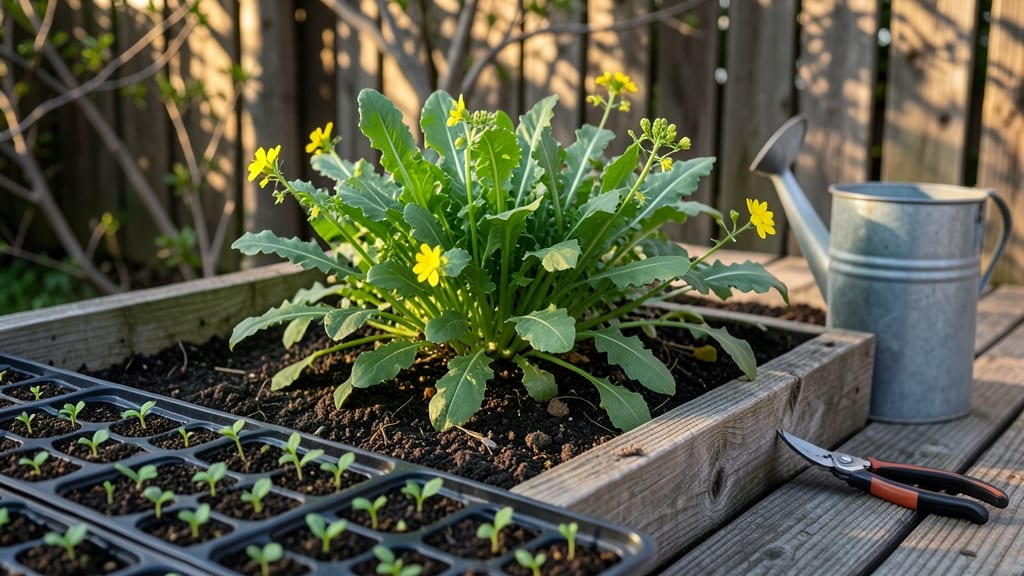
Planting arugula 🥬 in the right season is the secret to fast, flavorful harvests—skip the timing, and you’ll end up with bitter leaves or wasted effort.
Want crisp, peppery arugula in your salads faster than store-bought? Timing your planting is everything—get it wrong, and you’ll miss peak harvests or deal with bolting. This guide unlocks the secrets to planting arugula just right for maximum flavor and yield.
In cooler climates like USDA Zone 6a, spring and fall are your best bets, with March–April and August–September windows for planting. But even in mild zones, heat triggers bolting, so shade and succession planting can stretch your harvests.
Below, I’ll break down the ideal planting schedule by region, how to avoid common mistakes, and pro tips for container gardens—so you can enjoy homegrown arugula all season long.


Best arugula planting season by US climate zones
Arugula thrives in cool weather and bolts (goes to seed) when temperatures rise above 75°F (24°C). Your USDA hardiness zone determines the best planting windows—spring and fall are ideal, but timing varies dramatically by region.
In Zone 3-5, you’ll need early starts and frost protection, while Zone 8-10 gardeners can plant year-round with shade strategies. Let’s break down the perfect schedule for your climate to avoid bitter leaves and maximize harvests.
For spring planting, aim to sow seeds 4-6 weeks before your last frost date. In fall, plant 8-10 weeks before the first frost to ensure mature leaves before cold sets in. Arugula grows fastest at 50-65°F (10-18°C), so timing is critical.
Miss the window, and you’ll deal with bolting (premature flowering) or stunted growth from heat stress. Below, I’ve mapped out the exact months for each zone to keep your arugula crisp and peppery.
Pro Tip: Use frost cloth or row covers to extend your season by 2-4 weeks in cooler zones. This protects tender seedlings from light frosts (28°F/-2°C) while still allowing growth. In warmer zones, shade cloth (30-50%) during peak afternoon sun prevents bolting. Both tricks are game-changers for consistent harvests.
In Zones 3-5, where winters are harsh, start seeds indoors 6-8 weeks before your last frost for a head start. Use grow lights to simulate spring conditions, then transplant outdoors once soil reaches 40°F (4°C).
Arugula can handle light frosts (28°F/-2°C), but seedlings won’t survive heavy freezes. For fall crops, sow seeds in late summer to ensure harvests before first frost—aim for 60-70 days to maturity.
Gardeners in Zones 6-7 have the most flexibility, with two full harvest cycles per year. Plant spring crops in early March and fall crops in late July to avoid summer heat. Use mulch to keep soil cool and retain moisture.
If temperatures climb above 75°F (24°C), provide afternoon shade with a 30% shade cloth to prevent bolting. This simple trick can extend your harvest by 2-3 weeks.
Warmer climates (Zones 8-11) require shade and irrigation year-round. Plant in early spring (Jan-Feb) and late summer (Aug-Sept), using drip irrigation to keep roots cool. Arugula in these zones often bolts by mid-May, so succession planting every 2 weeks ensures a steady supply.
For container gardening, choose shallow pots (6-8 inches deep) and place them in partial shade during peak heat.
One common mistake is planting arugula too late in spring when soil temperatures exceed 70°F (21°C)
How to extend arugula's growing season for year-round harvests
Arugula thrives in cool weather but bolts quickly when temperatures rise above 75°F (24°C). The key to year-round harvests? Strategic planning and protective measures. I’ve grown arugula through all four seasons using these proven techniques—even in small urban containers.
Let’s break down how to keep your arugula crisp and productive from spring to winter.
First, understand arugula’s natural growth cycle. It’s a cool-season crop that germinates best between 40°F and 80°F (4°C–27°C), but once temperatures climb, it sends up flower stalks (bolting), turning bitter.
My secret? I treat it like a multi-season plant, not just a spring or fall crop. Here’s how I do it:
Plant every 2-3 weeks from early spring to late summer for continuous harvests. In Zone 5-7, my schedule looks like this: March 1, March 15, April 1, April 15, August 1, August 15, September 1.
Use a low tunnel or cold frame to extend harvests into fall and early winter. I cover my beds with floating row covers when temps drop below 40°F (4°C) to prevent frost damage while allowing sunlight.
When temps hit 75°F (24°C), I drape 30-40% shade cloth over my arugula beds. This keeps leaves tender and sweet instead of bitter. Pair it with daily watering to prevent stress.
For balconies or patios, use deep containers (8+ inches) with well-draining soil. I plant two varieties—one in full sun (morning only) and one in partial shade
Don’t overlook soil preparation—arugula hates compacted or nutrient-poor soil. I amend my beds with compost and aged manure before planting, and I mulch heavily to retain moisture. For container gardens, I mix in perlite or vermiculite to prevent waterlogging, which causes rot.
Harvesting is just as critical as planting. I snip outer leaves regularly to encourage bushier growth and prevent bolting. For fall and winter crops, I harvest every 5-7 days to keep plants productive. If you see flower stalks, pull them immediately—they drain energy from the leaves.
With these strategies, I’ve harvested arugula year-round, even in Zone 6 winters. The key is adapting to your climate and staying proactive. Start with succession planting, protect from heat with shade cloth, and extend fall harvests with cold frames. Your salads will thank you!
🥬